Look, I get it. You’ve probably scrolled through enough “aesthetic” parenting blogs to feel like you need a dedicated craft room, a color-coordinated supply closet, and a PhD in fine arts just to keep your tiny humans busy for twenty minutes. But let’s be real: most of those high-production kids craft ideas you see online are actually just recipes for uncontrollable chaos and a mountain of glitter that will haunt your carpets until 2030. I’m not interested in creating a masterpiece that ends up in the trash; I just want ways to engage their brains without turning my living room into a disaster zone.
In this post, I’m stripping away the fluff and giving you eight practical, low-stress ways to keep them occupied. We’re talking about using the stuff you actually have lying around the house—think cardboard boxes, old jars, and maybe some leftover twine—to spark some genuine creativity. These aren’t just random activities; they are functional ways to play that won’t leave you feeling like you need a professional cleaning crew by noon. Let’s get into it.
The Cardboard Engineering Lab
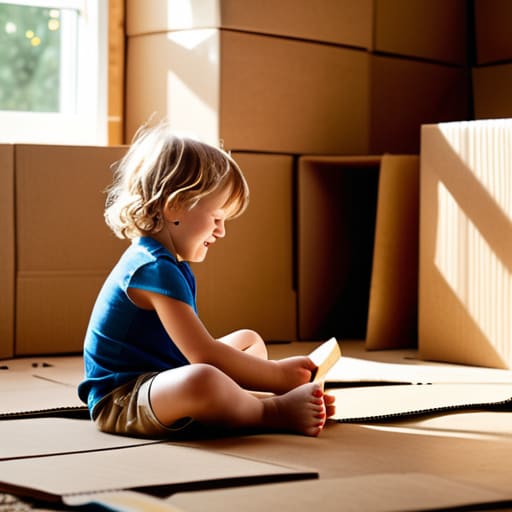
Look, we all have a mountain of delivery boxes sitting by the door, so instead of letting them clog up your recycling bin, turn them into a makeshift construction site. Grab some heavy-duty masking tape and a pair of safety scissors, and let your kids build whatever their hearts desire—from a sprawling fortress to a custom spaceship. The goal here isn’t to build a structural masterpiece that follows architectural blueprints; it’s about letting them figure out how gravity and balance actually work in the real world.
Junk Drawer Sculpture Studio
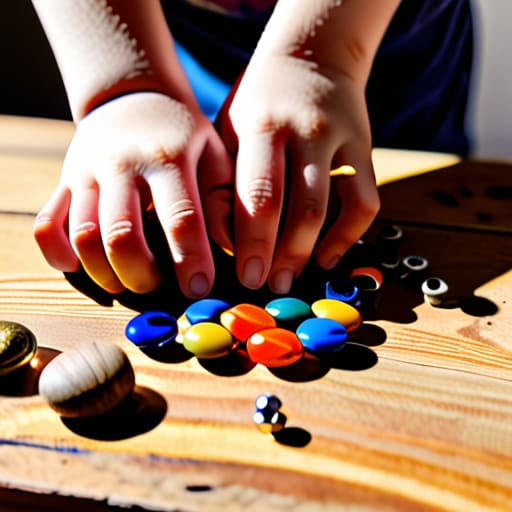
You know that one drawer in your kitchen that holds everything from old buttons and loose beads to those weird plastic bits from long-lost toys? That’s not clutter; it’s your new art supply inventory. Instead of running to a craft store for specialized modeling clay that dries out in three days, pull out the random bits of hardware and household scrap. It forces kids to look at objects not just for what they are, but for what they could become.
Nature’s Color Palette
If you need to get the kids out of the house without the stress of a planned “educational outing,” just give them a collection bag and a mission. Head to the nearest park or even just your backyard and have them hunt for specific textures and colors: a jagged rock, a serrated leaf, or a piece of fallen bark. It’s a simple way to ground them in their environment, and it requires zero setup on your part.
The DIY Tie-Dye Hack
Most people think tie-dye requires an expensive kit and a pristine white t-shirt, but I’m more about the efficient version. If you have some old, faded cotton shirts that are looking a little sad, grab some fabric markers or even just diluted food coloring. It’s a much more controlled way to experiment with color without turning your entire kitchen into a neon disaster zone.
Kitchen Chemistry with Baking Soda
If you want to see immediate, high-impact results, you need to lean into the classic baking soda and vinegar reaction. This isn’t just a messy science experiment; it’s a way to let kids see cause and effect in real-time. You can set up little “volcanoes” using playdough or even just mounds of salt, and let them trigger the eruption with a dropper.
Rock Painting Without the Stress
Don’t go out and buy those perfectly smooth, expensive river stones from a craft shop. Just find some decent-sized rocks in your yard that have a bit of character. Painting rocks is one of those activities that is incredibly low-barrier to entry, meaning anyone can do it regardless of their “artistic talent.” It’s just about taking a piece of the earth and giving it a little personality.
Paper Plate Ecosystems
Paper plates are usually just something we use and toss, but they make excellent, sturdy bases for mini-worlds. Have your kids use them to build a tiny ocean, a desert, or a forest using whatever scraps of paper, string, or fabric you have lying around. It’s a much more flexible way to create than using a structured coloring book.
The Masking Tape Obstacle Course
Sometimes the best “craft” isn’t something you make to keep, but something you make to interact with. Grab a roll of painter’s tape (the kind that won’t ruin your floors) and create a sprawling web of lines across a hallway or a section of the floor. Tell the kids they have to navigate the “laser grid” without touching the tape.
Stop Overthinking the Mess
At the end of the day, whether you’re using recycled cardboard, old buttons, or just some leftover scrap paper, the goal isn’t to create a masterpiece that belongs in a museum. We’ve gone through everything from low-stakes sensory bins to those quick-and-dirty recycled sculptures, and the common thread is that none of them require a trip to an expensive craft store. The point is to use what you already have in your junk drawer or recycling bin to keep those little hands busy and their brains firing. If the glue ends up on the floor or the glitter gets everywhere, just consider it a functional part of the process rather than a failure of your household systems.
I know it’s tempting to look at those perfectly curated, color-coordinated craft setups on social media and feel like you’re failing if your living room doesn’t look like a studio. But honestly? That’s just performative clutter. Real life is messy, and real learning happens when kids are allowed to experiment without fear of ruining a “perfect” project. So, grab that multi-tool if you need to trim some cardboard, clear a small space on the table, and just let them go to town. You aren’t just making crafts; you’re building their confidence to solve problems and create things from scratch, and that is way more valuable than a clean rug.
Frequently Asked Questions
How do I keep the mess from taking over my entire living room?
Look, if you’re trying to host a craft session without your living room turning into a disaster zone, stop fighting the chaos and start zoning it. I use a “contained station” method: grab a cheap plastic bin or even just a large tray. Everything—glue, scraps, markers—stays inside that perimeter. When the timer hits zero, the bin gets closed and put away. It’s not about being tidy; it’s about containment.
What can I do if my kids lose interest halfway through a project?
Honestly? Let it go. If they’re staring at a pile of half-dried glue like it’s a crime scene, the project is dead. Don’t try to force a “finished product” just for the sake of it; that’s how you turn crafting into a chore. Instead, pivot. Save the scraps in a “later” bin, grab a snack, or switch to something low-stakes like coloring. Life’s too short to fight a toddler over a lopsided macaroni art piece.
Are there ways to do these crafts without spending a fortune on specialized supplies?
Honestly, if you’re heading to a craft store for a single project, you’ve already lost the battle. My rule is: if it’s in your recycling bin, it’s a resource. Empty toilet paper rolls, egg cartons, and those random scraps of fabric in your junk drawer are gold. Don’t buy the $20 glitter kit when a bit of old magazine collage does the trick. Keep it low-stakes, use what you have, and save your money for things that actually matter.
How do I handle the "artistic" results if they don't look anything like the instructions?
Look, if the end result looks more like a chaotic smudge than the picture in the book, you’ve actually succeeded. That’s just part of the process. Don’t try to “fix” it or force it to look “right”—that’s how you kill the fun and turn a craft into a chore. Just lean into the mess, ask them what they made, and call it a masterpiece. In my house, “artistic” is just code for “it’s done and we’re moving on.”