Can we please stop pretending that meal prepping requires a dozen matching glass containers and a four-hour marathon of chopping organic kale? I am so tired of seeing these “aesthetic” lifestyle influencers post photos of perfectly color-coded fridge setups that look more like a museum exhibit than actual food. If your system for make ahead meals requires you to spend your entire Sunday acting like a sous-chef for a Michelin-star restaurant, you aren’t prepping; you’re over-engineering your life. I grew up watching my dad fix everything from broken circuit boards to leaky faucets with nothing but a multi-tool and some grit, and I’ve realized that the best systems are the ones that actually survive contact with reality.
I’m not here to sell you on a Pinterest-perfect fantasy that falls apart by Tuesday. Instead, I’m going to show you how to build a functional food system that works when you’re exhausted, stressed, or just plain busy. We’re talking about low-effort, high-yield strategies that prioritize actual nutrition and efficiency over how good your Tupperware looks on a countertop. Let’s strip away the gatekeeping and get your kitchen running like a well-oiled machine.
Weekly Meal Planning for Beginners Without the Chaos
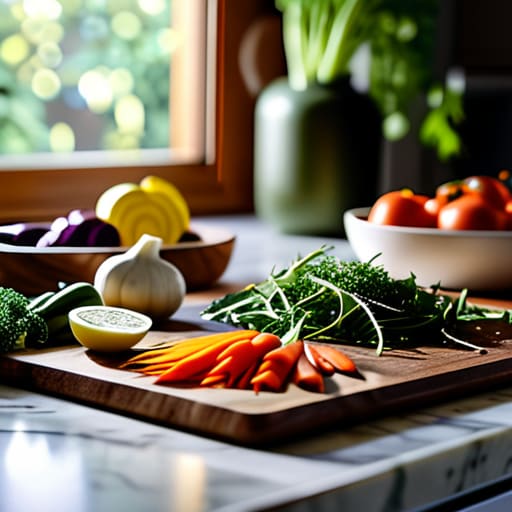
Look, the biggest mistake I see people making when they start weekly meal planning for beginners is trying to act like a Michelin-star chef on a Sunday afternoon. You don’t need a twelve-course menu; you just need a system that prevents you from ordering takeout at 8:00 PM because you’re too tired to think. Start by picking just two proteins and three versatile veggies. If you try to cook ten different recipes in one sitting, you’re going to burn out before you even get to the actual eating part.
Instead of aiming for culinary perfection, focus on modular components. Think of your food like a well-organized server rack—everything should have its place and be easy to access. I swear by investing in a decent set of meal prep containers for storage that actually seal properly; there is nothing more soul-crushing than finding a leak in your fridge on a Tuesday morning. If you keep your ingredients separated and organized, you can mix and match them throughout the week so you don’t feel like you’re eating the exact same sad bowl of mush every single day. Keep it simple, keep it functional, and just get the basics down first.
The Truth About Meal Prep Containers for Storage Efficiency
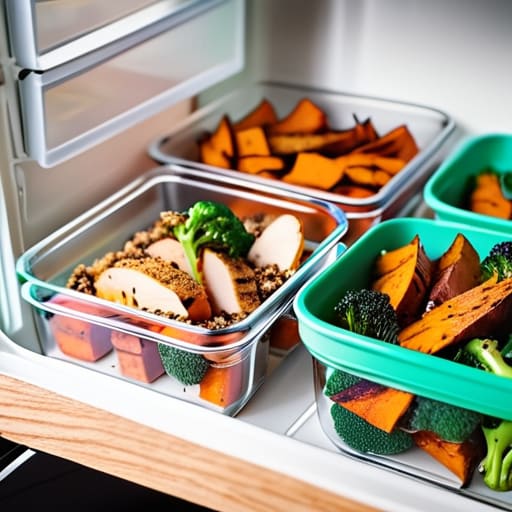
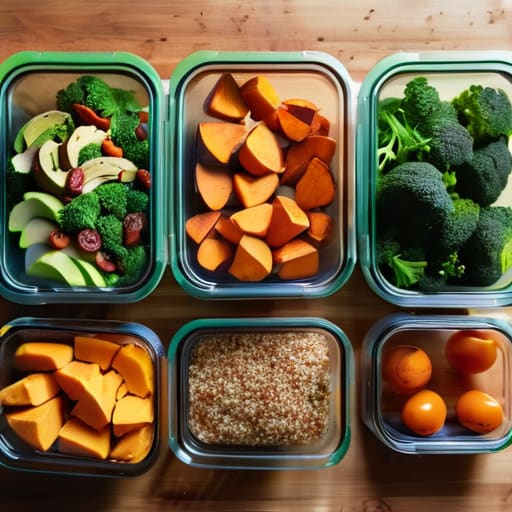
Look, I’ve spent way too much money on those “aesthetic” glass sets that look great in a Pinterest photo but are a nightmare to actually use. If you’re just starting out, don’t get caught in the trap of buying a matching set of expensive containers just because they look pretty in your fridge. The real goal is finding meal prep containers for storage that actually stack without turning into a game of Jenga every time you open the door. I personally swear by uniform, modular containers—glass is great for reheating, but lightweight, BPA-free plastic is much better if you’re tossing a lunch into a crowded backpack.
The secret to a system that doesn’t fail is matching your container to your actual eating habits. If you’re focusing on high protein meal prep recipes, you need deep enough vessels to hold your grains and proteins without everything turning into a mushy mess by Wednesday. Don’t overcomplicate it; if a container leaks in your bag, your whole day is ruined. Stick to something with a reliable seal and a shape that maximizes every inch of your shelf space. Efficiency isn’t about how the fridge looks; it’s about how quickly you can grab a meal and get out the door.
5 Low-Stress Hacks to Keep Your Food From Becoming a Chore
- Stop trying to cook five different recipes on Sunday. Pick one base—like a big batch of roasted sweet potatoes or quinoa—and use it as a foundation for three different meals throughout the week. It’s much easier to switch up a sauce than it is to cook three separate dishes from scratch.
- Invest in a decent set of glass containers, but don’t go overboard. I learned the hard way that buying a 30-piece mismatched set of plastic bins is a waste of money; they leak, they stain, and they’re a nightmare to stack. Stick to a few reliable, stackable glass ones that actually fit in your fridge.
- Don’t forget the “halfway” prep. You don’t always need to cook everything to the finish line. Chop your onions, mince your garlic, and wash your greens ahead of time. Most of the time, the part of cooking that drains my battery isn’t the heat—it’s the tedious prep work.
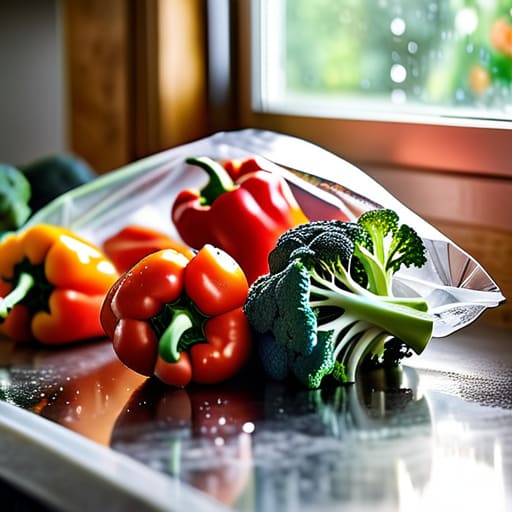
- Use the freezer as your safety net. If you realize you’ve made way too much chili or soup, don’t force yourself to eat it for five days straight. Portion it out into single-serve bags immediately. Future-You will be so much more grateful when you’re staring at an empty fridge on a Tuesday night.
- Flavor is your best friend when things get repetitive. If you’re eating the same chicken and rice for the third time, change the vibe with a quick sauce or seasoning. One day it’s spicy sriracha mayo, the next it’s a lemon-tahini drizzle. It keeps the “prep fatigue” from setting in.
Stop Aiming for Perfection, Start Aiming for Function
Look, we’ve covered a lot, from mapping out a week that doesn’t feel like a second job to picking containers that actually fit in your fridge without a game of Tetris. The goal here isn’t to become a Michelin-star chef or a meal prep influencer with a color-coordinated pantry. It’s about building a functional system that supports your actual life. Whether you’re batch-cooking basic grains or just prepping a few versatile proteins, the point is to reduce the number of decisions you have to make when you’re tired and hungry at 7:00 PM. If your containers are organized and your plan is realistic, you’ve already won the week.
At the end of the day, your kitchen should work for you, not the other way around. Don’t get discouraged if your first attempt at a meal plan falls apart or if you end up ordering takeout anyway—that’s just part of the debugging process. Treat your domestic life like any other system: it requires a bit of troubleshooting and some fine-tuning to get it running smoothly. Just keep stripping away the unnecessary complexity and focus on what actually works for your schedule. You don’t need an aesthetic kitchen; you just need a life that functions.
Frequently Asked Questions
How do I keep my prepped food from getting mushy or gross by Wednesday?
The “Wednesday Slump” is real, and it usually happens because you’re treating your fridge like a giant compost bin. Stop mixing your wet and dry ingredients in one container; that’s a one-way ticket to mush town. Keep your dressings, sauces, and juicy veggies in separate small containers and only marry them right before you eat. Also, let your hot food cool down completely before sealing the lid, or you’re just trapping steam and turning your meal into a soggy mess.
Is it actually worth the time to prep every single meal, or should I just focus on the big stuff?
Look, if you try to prep every single bite, you’re going to burn out by Tuesday. That’s not a system; that’s a second job. I’m all about efficiency, so I focus on the “big wins”—proteins, grains, and roasted veggies. If you have those building blocks ready, you can throw a quick salad or a wrap together in five minutes. Prep the components, not the final plate. It’s much more flexible.
What are some low-effort, one-pan recipes that won't leave me with a mountain of dishes to scrub?
Look, if you’re staring at a sink full of crusty pans, you’ve already lost the battle. Stick to sheet-pan dinners or one-pot wonders. Throw some chicken thighs, chopped sweet potatoes, and broccoli on a single tray, drizzle with olive oil and spices, and let the oven do the heavy lifting. Or, go for a big batch of shakshuka in one skillet. Minimal cleanup means you actually have time to relax after eating.
How do I stop myself from getting bored of eating the exact same thing five days in a row?
The secret is to prep components, not complete recipes. If you cook five identical chicken bowls, you’ll be sick of it by Wednesday. Instead, roast a big tray of chicken, a batch of quinoa, and some versatile veggies. Use those same building blocks but switch the “flavor profile” daily. One day it’s soy sauce and ginger; the next, it’s tahini and lemon. Same effort, totally different vibes.