Can we please stop pretending that learning how to make a smoothie requires a $600 high-speed blender and a pantry full of “superfood” powders that taste like chalk? I am so tired of seeing these hyper-aesthetic, color-coordinated recipes on my feed that look more like a science experiment than actual breakfast. Honestly, if I see one more person claim you need organic dragon fruit and hand-pressed almond milk just to get some nutrients in your system, I might actually lose it. You don’t need a lifestyle overhaul; you just need a functional system that doesn’t take twenty minutes to clean up.
I’m not here to sell you on a wellness cult or some unattainable morning ritual. My goal is to show you how to build a reliable, repeatable process using whatever is actually in your fridge right now. I’ll give you the no-nonsense logic behind texture, flavor balance, and efficiency so you can stop overthinking it. We’re going to strip away the gatekeeping and focus on the basics of how to make a smoothie that actually tastes good and keeps you fueled without the unnecessary drama.
Choosing the Best Blender for Smoothies Without Wasting Money
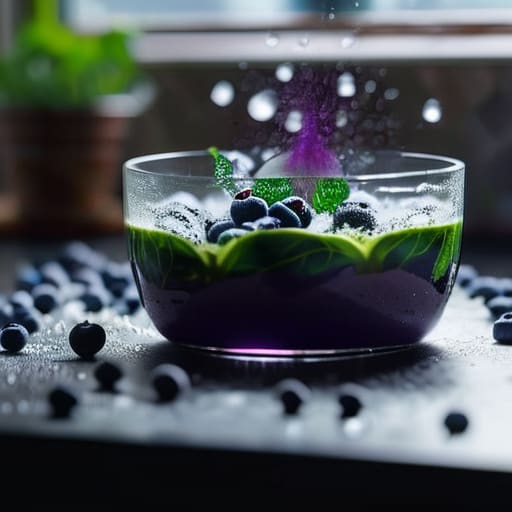
Look, you do not need a $600 smart blender that connects to your Wi-Fi just to pulverize a banana. I’ve spent way too much time fixing broken gear, and honestly, most of those high-end kitchen gadgets are just overpriced paperweights. When you’re hunting for the best blender for smoothies, focus on motor wattage and blade durability rather than the sleekness of the interface. You want something with enough kick to handle ice and fibrous greens without smelling like it’s about to combust. If you can’t toss a handful of frozen berries in there without the motor stalling, walk away.
A decent mid-range model will do the job perfectly, especially if you understand a few basic smoothie texture tips. For example, if you’re working with a budget machine, your results will depend heavily on your layering technique. Start with your liquids first to create a vortex, then add your solids. This prevents that annoying air pocket where the blades just spin in a void while your ingredients sit untouched. Whether you’re focusing on adding protein to smoothies with powders or just trying to crush some ice, a reliable, functional machine is all you actually need to get the job done.
The Essential Smoothie Base Ingredients for Real Energy
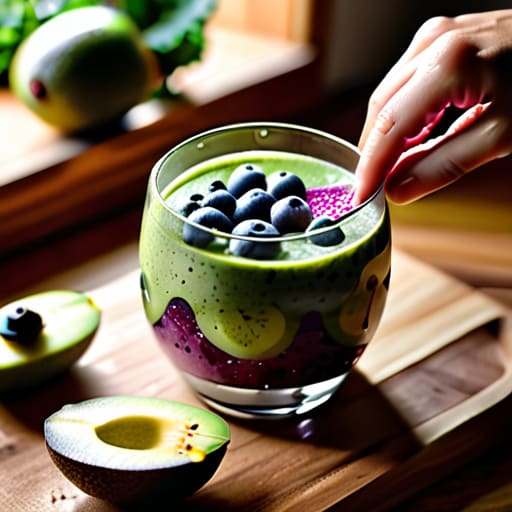
Look, I’ve seen enough “aesthetic” smoothie bowls on my feed to know that most people are just eating flavored ice for breakfast. If you want actual sustained energy instead of a sugar crash by 10:00 AM, you have to get your smoothie base ingredients right. You need a foundation of fiber and healthy fats to slow down digestion. I usually lean toward a handful of spinach or kale—don’t worry, if you blend it well, you won’t even taste the “green” stuff—and a solid source of fat like half an avocado or a tablespoon of almond butter. This is what keeps you full while you’re actually trying to get work done.
When it comes to the liquid, skip the sugary juices that turn your drink into a dessert. I stick to unsweetened almond milk, coconut water, or just plain old filtered water. For the fruit, here is my golden rule: prioritize frozen fruit vs fresh fruit by choosing frozen. Using frozen berries or mango chunks acts like built-in ice, giving you that thick, creamy consistency without watering everything down with actual ice cubes. If you’re feeling particularly drained, adding protein to smoothies via a clean powder or even some Greek yogurt is the ultimate hack to make your breakfast actually functional.
5 Hacks to Stop Making Chalky, Sad-Looking Smoothies
- Layer your ingredients like you’re building a system—liquids first, then powders, then solids, and frozen stuff last. If you dump everything in at once, you’re just going to end up with a motor that’s working overtime and a chunky mess at the bottom.
- Stop treating frozen fruit like an afterthought. Use frozen bananas or berries as your “ice” substitute. It gives you that thick, creamy texture without watering down the actual flavor with actual ice cubes.
- Don’t ignore the “protein gap.” If you just blend fruit and juice, you’re going to crash in an hour. Toss in some Greek yogurt, a scoop of protein powder, or even some hemp seeds to actually make this a meal that keeps you full.
- Watch the sugar creep. It’s easy to go overboard with honey or agave, but if you’re already using sweet fruit, you don’t need a sugar bomb. Aim for balance so you don’t feel like you’re drinking a milkshake every single morning.
- Clean your gear immediately. Seriously. If you let that green sludge dry in the blades, you’re going to spend twenty minutes scrubbing like a maniac later. Just rinse it out right after you pour your drink and call it a day.
Stop Overthinking the Blend
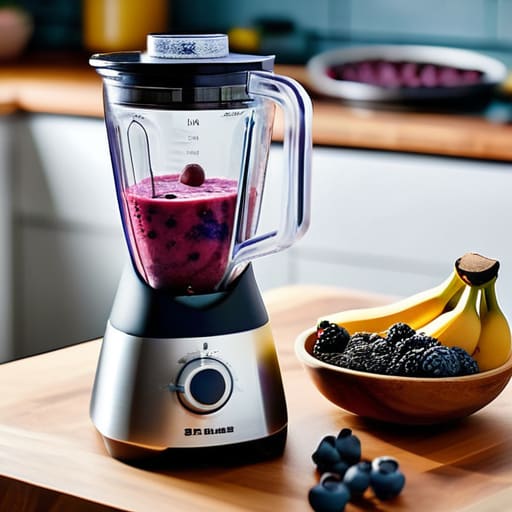
Look, we’ve covered the heavy lifting: you don’t need a thousand-dollar blender to get the job done, you just need one that actually has the torque to handle your frozen fruit. We talked about building a solid base with things that actually keep you full, rather than just drinking a cup of flavored sugar water that leaves you crashing by 10:00 AM. At the end of the day, it’s about the system, not the spectacle. Once you have your reliable gear and a handful of go-to ingredients, you’ve essentially automated your nutrition. You aren’t spending twenty minutes prepping a masterpiece; you’re just throwing things in a jar, hitting a button, and getting back to your life.
My biggest piece of advice? Don’t let the “perfect” recipe gatekeep you from actually eating well. If you end up with a smoothie that looks a little muddy because you threw in some spinach and leftover blueberries, who cares? It’s fuel, not a centerpiece for a lifestyle photoshoot. The goal here is to make your morning routine a little more efficient and a lot less stressful. Stop waiting for the perfect setup or the most expensive superfoods to arrive. Grab what you have, get it blended, and start functioning better starting right now.
Frequently Asked Questions
How do I stop my smoothies from turning into a weird, watery mess?
Look, we’ve all been there: you expect a creamy shake but end up with something that looks like swamp water. The culprit is almost always too much liquid. Stop using water or thin juices as your base; they’re just diluting everything. Switch to unsweetened nut milk or coconut water, and for the love of god, use frozen fruit instead of ice. Ice just adds bulk without flavor, but frozen bananas or berries actually build that thick, velvety texture you’re actually after.
Can I actually use frozen fruit, or will it just break my blender?
Look, I get it—you don’t want to hear a grinding sound that sounds like your motor is about to give up the ghost. But honestly? Frozen fruit is your best friend. It’s cheaper, it lasts longer, and it gives you that thick, frosty texture without needing a mountain of ice. Just don’t be a hero; add your liquid base first so the blades have something to work with, and you’ll be totally fine.
Is there a way to make these taste good without dumping in a ton of sugar?
Look, I get it. The “healthy” recipes online usually taste like liquid chalk unless you drown them in honey or agave, which just leads to a massive sugar crash an hour later. My hack? Use frozen fruit for texture and natural sweetness, then lean heavily on spices. A dash of cinnamon or a tiny bit of vanilla extract tricks your brain into thinking things are sweeter than they actually are. It’s about flavor profiles, not glucose spikes.
How do I prep these during the week so I'm not stuck cleaning the kitchen every single morning?
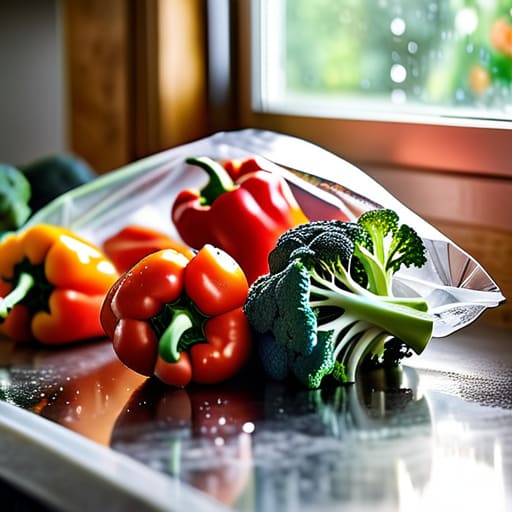
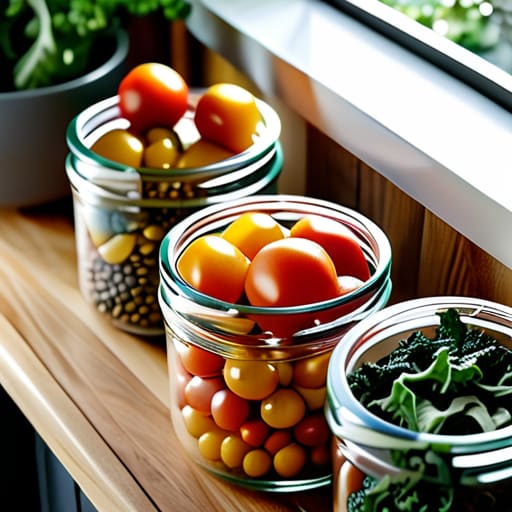
Look, if you’re cleaning a blender every single morning, you’ve already lost the productivity war. Do this instead: grab some silicone muffin liners or small reusable bags and prep “smoothie packs.” Toss your fruit, greens, and seeds in there and freeze them. When it’s breakfast time, you just dump the bag into the blender, add your liquid, and go. It keeps your morning friction low and your kitchen counters actually clean.