I’m so tired of seeing those “organized kitchen” videos where everything is tucked away in identical, expensive acrylic bins that you can’t actually reach when you’re mid-meal. Honestly, if I see one more person suggest that you need a $50 gadget to solve a basic problem, I might actually lose it. Most of the advice floating around online is just a way to sell you more clutter, but real kitchen tips and tricks shouldn’t require a massive budget or a degree in interior design. You don’t need a Pinterest-perfect pantry; you just need a space that doesn’t make you want to scream when you’re trying to boil pasta after a long shift.
I’m not here to sell you on an aesthetic; I’m here to help you build a functional system. In this post, I’m stripping away the hype and sharing the actual, battle-tested methods I use to keep my kitchen running smoothly without the unnecessary fluff. We’re talking about high-impact, low-effort hacks that focus on utility over looks. Let’s stop chasing the perfect photo op and start making your kitchen a place that actually works for you.
Smart Kitchen Organization Ideas for Real Life
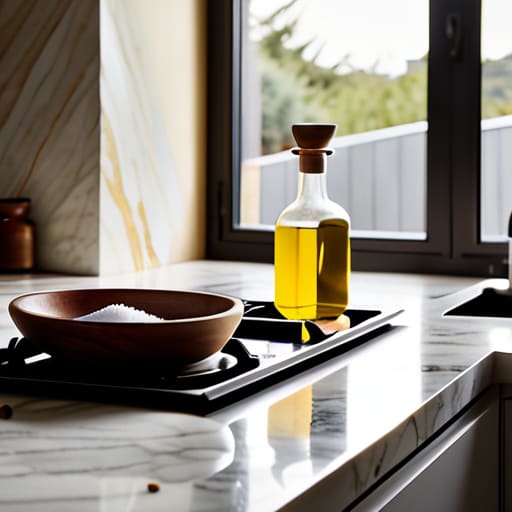
Look, I’m not here to tell you to buy a $200 acrylic drawer divider just because it looks cute in a TikTok transition. If you want actual kitchen organization ideas that hold up when you’re actually cooking, you need to organize by frequency of use. I keep my most-used spices and oils within arm’s reach of the stove, not tucked away in a dark corner of a pantry. If I have to move three things just to get to the salt, my system has failed. It’s about reducing friction, not adding decor.
The same logic applies to your containers. Stop hoarding every mismatched plastic tub you’ve ever owned; it’s just visual noise that slows you down. Invest in a few solid, stackable food storage solutions that actually seal properly. When your containers are uniform, you can see exactly what you have at a glance, which is a massive boost for your meal prep efficiency.
Finally, let’s talk about your workspace. If your counters are covered in gadgets you only use once a year, you’re fighting an uphill battle. Clear the clutter so you actually have room to chop. A clear surface isn’t about “aesthetic”—it’s about having the physical space to move without feeling like you’re about to knock over a blender.
Practical Food Storage Solutions That Actually Last
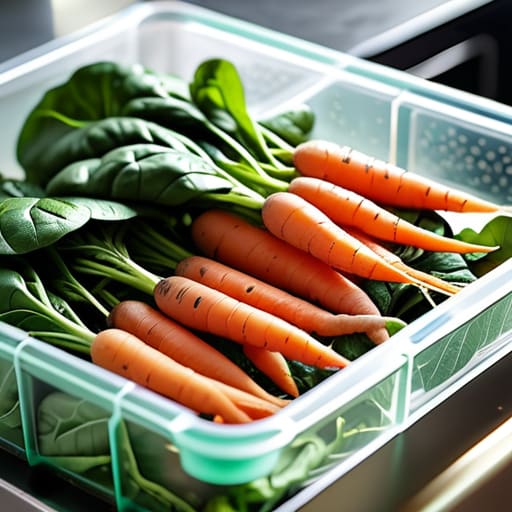
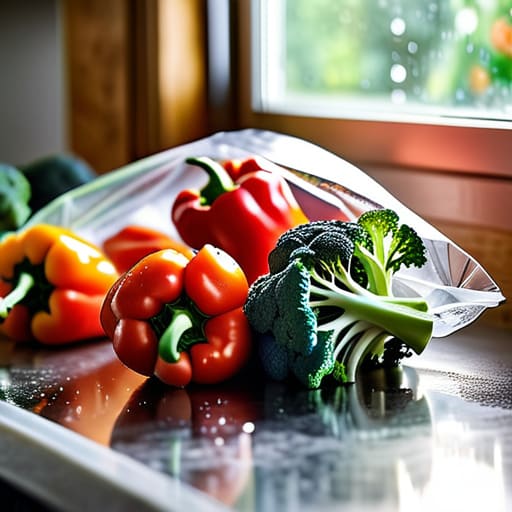
Look, we’ve all been there: you buy a massive bag of spinach with the best intentions, only to find a bag of green slime in your crisper drawer a week later. Most “aesthetic” food storage solutions you see on social media—like those matching glass jars filled with dry pasta—look great for a photo, but they don’t actually stop your produce from dying. If you want to stop wasting money, you need to focus on functional preservation. Invest in some decent airtight containers for leftovers, but more importantly, learn which veggies actually need humidity and which ones need to stay bone-dry.
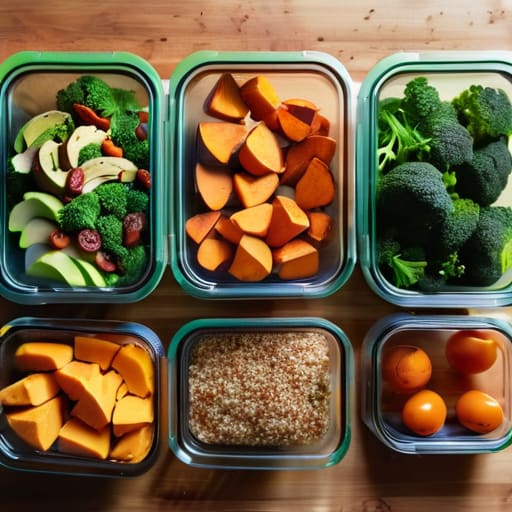
If you’re looking to level up your meal prep efficiency, stop thinking about single-serving containers and start thinking about “component prepping.” Instead of making five identical Tupperware meals that you’ll be sick of by Wednesday, prep high-quality proteins, grains, and roasted veggies separately. This gives you much more flexibility during the week and keeps everything tasting fresh. It’s a simple systemic approach to eating that saves you from the “what’s for dinner?” panic without requiring you to spend your entire Sunday in a kitchen trance.
Five Low-Stakes Tweaks to Stop Your Kitchen From Becoming a Chaos Zone
- Stop buying “specialty” gadgets that only do one thing. If a tool doesn’t serve at least three different purposes, it’s just taking up prime real estate in your drawer. Stick to the basics—a solid chef’s knife, a heavy pan, and a decent multi-tool for those weirdly specific tasks.
- Use the “Prime Real Estate” rule for your counters. If you don’t use that fancy espresso machine every single morning, it shouldn’t be sitting there acting like a centerpiece. Move it to a lower cabinet or a corner so you actually have room to chop an onion without feeling claustrophobic.
- Label your stuff, but keep it low-key. I’m not talking about those expensive-looking handwritten chalkboard labels; just use a Sharpie or a piece of masking tape on your bulk bins or freezer bags. Knowing exactly what’s in that opaque container before you open it saves you from the “mystery leftovers” gamble.
- Create a “landing strip” for your tech. If you’re like me and you’re constantly checking recipes or watching tutorials, designate one specific spot for your tablet or phone that’s away from the splash zone. It keeps the digital side of cooking from getting messy and prevents your screen from being coated in olive oil.
- Audit your workflow every time you clean up. If you find yourself constantly moving a heavy stand mixer just to reach the salt, your system is broken. Rearrange your most-used items based on how you actually move through the space, not how it looks in a catalog.
Stop Chasing Perfection and Start Cooking
Look, at the end of the day, your kitchen isn’t a showroom for people to judge; it’s a workspace meant to fuel your life. We’ve covered everything from ditching the useless clutter to setting up storage systems that actually make sense for your workflow. Whether you’re optimizing your pantry so you stop buying duplicate jars of cumin or finally organizing your tools so you aren’t digging through a junk drawer mid-recipe, the goal is the same: reducing friction. When your environment is set up to support you rather than fight you, even the most chaotic Tuesday night dinner feels a little less like a chore and a lot more like something you can actually manage.
Don’t feel like you have to overhaul your entire space in a single weekend. I know how overwhelming it feels when you look at a messy counter and think you need a total lifestyle transformation, but that’s not how systems work. Just pick one small thing—one drawer, one shelf, or one habit—and get it working for you. The real win isn’t having a kitchen that looks like a magazine spread; it’s having a space that actually functions when you’re tired, hungry, and just want to get things done. You don’t need a designer; you just need a plan that works.
Frequently Asked Questions
I have a tiny kitchen with zero counter space—how do I organize without feeling like I'm living in a storage unit?
Look, I’ve lived in spaces where the stove was basically my dining table, so I get it. When you have zero counter real estate, you have to stop thinking horizontally and start thinking vertically. Get some heavy-duty magnetic knife strips, command hooks for your most-used utensils, and maybe a rolling cart for your heavy appliances. If it’s not being used daily, it shouldn’t be touching your counter. Use your walls—they’re basically free storage.
Are those expensive glass container sets actually worth the investment, or am I just paying for the aesthetic?
Look, I get the temptation. Those matching glass sets look incredible on a countertop, but let’s talk reality. If you’re someone who actually cooks, you’re going to break them eventually. Honestly? Most of the time, you’re paying a massive premium for the aesthetic. I prefer a mix: heavy-duty glass for things that need reheating, and decent BPA-free plastic for leftovers you’re just tossing in the fridge. Don’t buy a “system” if it’s too fragile to use.
How do I actually stick to a meal prep system without it feeling like a second, unpaid job every Sunday?
Stop trying to turn your Sunday into a culinary marathon. The mistake most people make is attempting to cook seven complete, gourmet meals from scratch in one sitting. That’s not meal prepping; that’s a chore. Instead, try “component prepping.” Roast a big batch of veggies, cook a massive pot of grains, and prep two proteins. It takes an hour, not five, and you can mix and match them all week so you don’t burn out.
What are some low-effort ways to keep my tech (like my tablet or smart speaker) clean and functional in a messy cooking environment?
Look, I get it—trying to follow a recipe on a tablet while flour is flying everywhere is a recipe for disaster. First, stop using your expensive gear naked; get a rugged, silicone case that’s actually wipeable. If you’re using a smart speaker, keep it on a dedicated “tech tray” or a raised stand to keep it away from spills. Lastly, keep a pack of microfiber cloths and some 70% isopropyl alcohol nearby. A quick wipe-down after cooking prevents that weird, sticky film from building up.