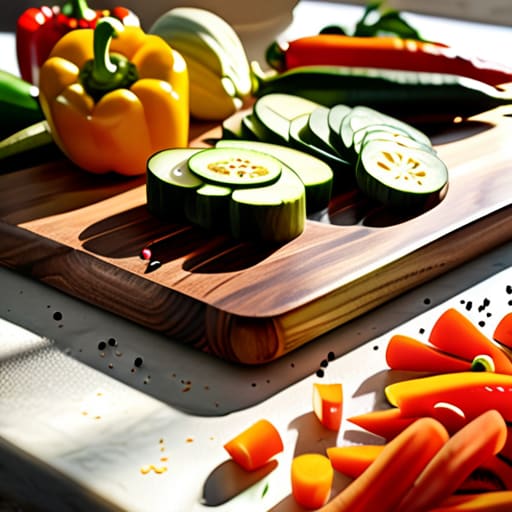
I’m so tired of seeing those “aesthetic” meal prep videos where people spend three hours color-coding tiny glass containers just to make a salad look like a piece of modern art. Honestly, if you’re spending more time arranging your carrots into a perfect sunburst pattern than actually eating, you’re doing it wrong. Learning how to prep vegetables shouldn’t feel like a high-stakes design project or some meditative ritual that takes up your entire Sunday; it should be a functional system that gets you fed without the mental burnout.
I’m not here to sell you on a $200 professional mandoline or a dozen specialized gadgets you’ll never use. Instead, I’m going to show you how to build a workflow that actually sticks. We’re going to focus on the high-impact basics—the right knife skills, the smart way to store things so they don’t turn into slime, and how to batch prep without losing your mind. My goal is to help you strip away the fluff so you can master a no-nonsense approach to your kitchen that works as hard as you do.
Mastering Essential Knife Skills for Chopping Without the Stress
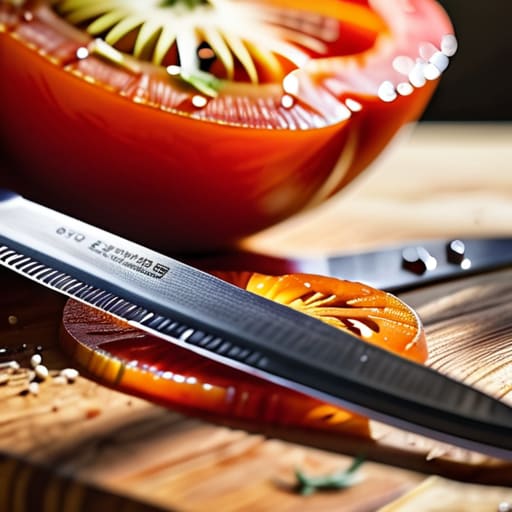
Look, I get it—staring down a pile of carrots with a dull blade feels more like a chore than a skill. But if you want to master knife skills for chopping without ending up with a band-aid on your finger, you have to stop treating your knife like a blunt instrument. The first rule of my kitchen is simple: if your knife is struggling to slice through a tomato, it’s not you, it’s the tool. A sharp, heavy chef’s knife does 90% of the work for you. You don’t need a twenty-piece professional set; you just need one decent blade and the confidence to use it.
The real secret to staying sane during meal prep for beginners is the “claw grip.” Instead of holding your veggies with flat fingers like a target, tuck your fingertips inward and use your knuckles to guide the blade. This keeps your skin far away from the edge and lets you maintain a steady rhythm. Once you stop hovering nervously over the cutting board, you’ll realize that chopping isn’t about speed—it’s about consistent, controlled movements. Once you get this down, you can actually enjoy the process instead of just trying to survive it.
The Right Kitchen Tools for Vegetable Prep That Actually Work
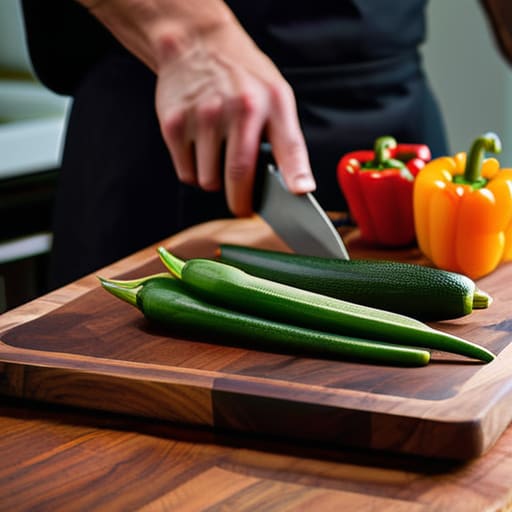
Look, you don’t need a $500 copper knife set or a kitchen that looks like a showroom to get this done. Honestly, the biggest mistake I see people making is trying to use dull, mismatched tools that make the job feel like a chore. If you’re just starting out with meal prep for beginners, your best friends are a single, high-quality chef’s knife and a heavy-duty cutting board. Avoid those flimsy plastic ones that slide around the counter; they’re a recipe for a slipped blade and a trip to the ER. Get yourself a wooden or heavy rubber board that stays put, and you’ll notice your efficiency levels skyrocket immediately.
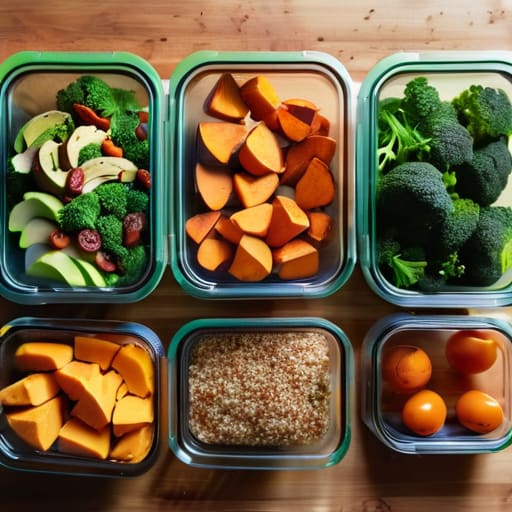
Beyond the blade, don’t overlook the importance of proper washing and drying vegetables before they ever touch the cutting board. I always keep a dedicated colander and a stack of clean lint-free towels nearby. If you try to chop wet veggies, they’ll just slide under your knife, making your hard-earned knife skills for chopping completely useless. Once you’ve prepped everything, the real work starts with how you store them. Investing in a few good glass containers is a game-changer if you want to master how to keep veggies fresh throughout the week without them turning into a soggy mess in the bottom drawer of your fridge.
Five Hacks to Stop Vegetable Prep From Feeling Like a Chore
- Stop the “chopping as you go” madness. Seriously, if you’re trying to mince garlic while your onions are already sweating in the pan, you’ve already lost the battle. Spend twenty minutes upfront doing all your cutting, get it into containers, and then actually enjoy the cooking process instead of playing catch-up.
- Use the right container logic. Don’t just throw everything into one giant bowl like a chaotic salad; use small, stackable glass containers or even repurposed deli containers. If you can see exactly what’s inside without digging through a pile of mush, your brain stays organized and you’re way more likely to actually use what you prepped.
- Don’t be afraid of the “ugly” prep. I see so many people stressing over perfectly uniform cubes like they’re prepping for a Michelin star. If you’re making a stir-fry or a stew, just get the pieces roughly the same size so they cook evenly. Function over aesthetics, always.
- Master the “dry before you chop” rule. If you wash your veggies and then immediately start slicing them while they’re still dripping, you’re going to end up with a slippery, dangerous mess and soggy produce. Pat them dry with a towel first; your knife grip (and your sanity) will thank you.
- Leverage the power of the microplane. Not everything needs a chef’s knife. If you need ginger, garlic, or citrus zest, don’t waste ten minutes struggling with a blade. Grab a microplane and get it done in thirty seconds. It’s about working smarter, not harder.
Cutting Through the Noise
Look, at the end of the day, prepping vegetables isn’t about achieving some culinary masterpiece or having a kitchen that looks like a sterile showroom. It’s about the system. Once you’ve got a decent knife that doesn’t require a workout to move, a stable cutting board that won’t slide around like a hockey puck, and a basic grasp of how to actually hold that blade, you’ve already won half the battle. Stop overcomplicating the process with fancy gadgets you’ll only use once. Focus on efficient movements and the right setup, and you’ll find that the “chore” of meal prep starts feeling less like a mountain of work and more like a repeatable, manageable task.
I know it feels tedious when you’re staring at a pile of carrots and a long to-do list, but I promise it gets easier. Every time you refine your technique or organize your workspace a little better, you’re investing in your future self. You’re building a lifestyle where you actually have the capacity to cook something decent instead of defaulting to takeout because you’re too exhausted to chop an onion. Don’t aim for perfection; just aim for functional competence. Get your tools ready, clear your space, and just start. You’ve totally got this.
Frequently Asked Questions
How do I actually keep my chopped veggies from turning into a soggy mess in the fridge?
Look, the “aesthetic” glass containers are cute, but they’re often death traps for freshness. If you want to avoid that sad, slimy sludge, you need to manage moisture. For hearty stuff like carrots or peppers, grab a glass container and toss in a single paper towel to soak up excess humidity. For leafy greens? Forget the bag; use a container lined with a dry towel. It’s not pretty, but it actually works.
Is it really worth getting a specialized gadget like a mandoline, or am I just adding more clutter to my drawers?
Look, I’m all about functional systems, not collecting kitchen junk. If you’re slicing one cucumber a week, a mandoline is just another thing to wash and hide in a drawer. But, if you’re meal-prepping huge batches of slaw or thin radish slices for salads, it’s a game-changer for consistency. My rule? If it doesn’t save you more time than it takes to clean it, skip it. Stick to a sharp knife for now.
What’s the best way to handle those annoying, high-waste scraps like onion skins and carrot ends so I'm not just throwing money in the trash?
Stop tossing those “scraps” like they’re useless—you’re literally throwing away free flavor. Grab a gallon-sized freezer bag and start dumping your onion skins, carrot ends, and celery butts in there. Once it’s full, simmer everything in water for an hour, strain it, and boom: homemade veggie stock. It’s a low-effort system that turns literal trash into a liquid gold base for your next soup or risotto. Efficiency, people.
How can I prep a bunch of vegetables on Sunday without them losing their crunch by Wednesday?
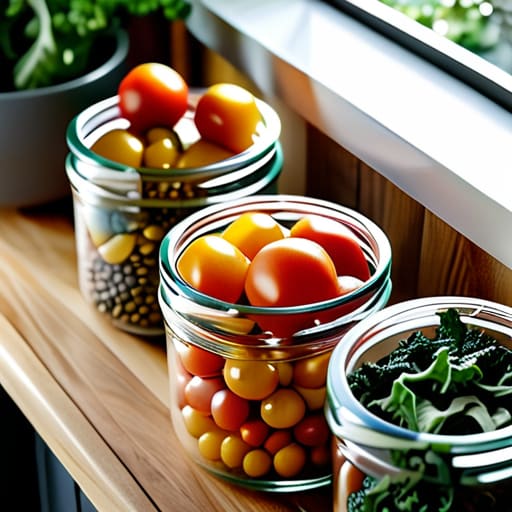
The secret isn’t some fancy vacuum sealer; it’s managing moisture. If you’re prepping greens or crunchy veggies, wash them, but make sure they are bone-dry before they hit a container. I always line my storage bins with a single paper towel to soak up excess humidity. For things like carrots or celery, keep them submerged in a jar of water in the fridge—it’s a total game-changer for keeping that snap alive.