I’m so tired of seeing those “aesthetic” pantry organization videos where people spend hundreds of dollars on matching glass jars and custom labels just to look good on camera. Honestly? It’s a waste of time and money. If you’re trying to figure out how to store food properly, you don’t need a color-coordinated spice rack or a designer canister set to keep your groceries from going bad. You just need a system that actually works without turning your kitchen into a secondary job. I learned this the hard way growing up in a tiny apartment where we couldn’t afford to let a single bag of rice or a head of lettuce go to waste because of some “perfect” organization hack that failed in reality.
In this guide, I’m stripping away the gatekeeping and the expensive fluff to give you the actual mechanics of food preservation. I’m going to show you how to organize your fridge and pantry based on how things actually decay, not how they look in a Pinterest board. We’re talking about functional systems that save you money and stop the endless cycle of throwing away wilted greens. No fluff, no aesthetic nonsense—just the practical logic you need to make your kitchen run like a well-oiled machine.
Mastering the Shelf Life of Common Groceries
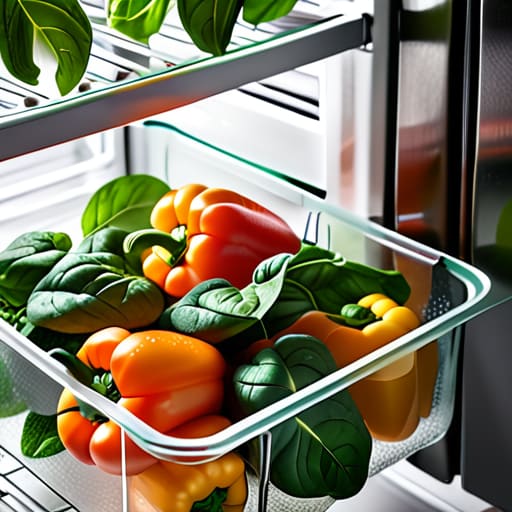
Let’s get real about the stuff sitting in your crisper drawer right now. Most of us treat the fridge like a black hole where produce goes to die, but a little bit of strategy goes a long way in preventing food spoilage. For example, your leafy greens? They hate being suffocated in those thin plastic grocery bags. I’ve found that tucking them into a container with a paper towel to absorb excess moisture is a total game-changer. It’s not about being a “meal prep influencer”; it’s just about not throwing away twenty bucks worth of wilted spinach every Tuesday.
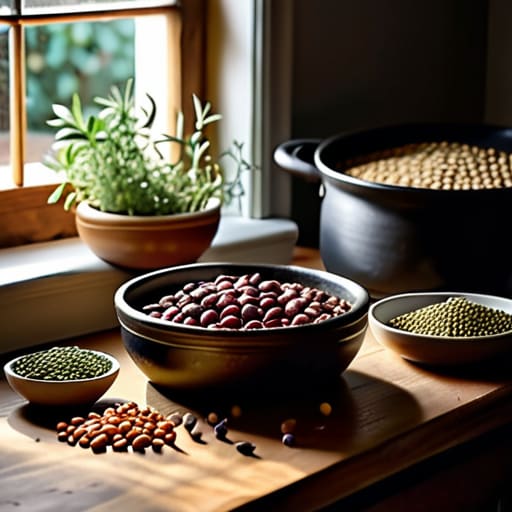
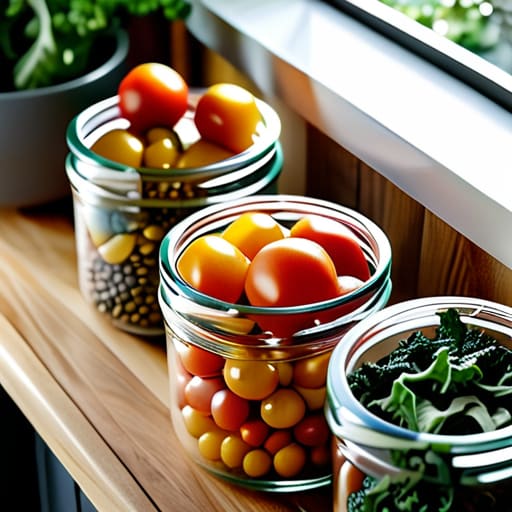
When it comes to your dry goods, stop assuming the original packaging is doing its job. I’m a huge advocate for the airtight container benefits—not because I love the look of matching glass jars, but because flour, pasta, and cereal stay fresh way longer when they aren’t fighting humidity. If you’re looking into pantry staples preservation, the goal is simple: keep the pests out and the moisture away. Apply this same logic to your freezer, too. If you aren’t using heavy-duty bags or vacuum seals, you’re basically inviting freezer burn to ruin your expensive proteins. Keep it functional, keep it sealed, and you’ll actually get what you paid for.
Preventing Food Spoilage Before It Starts
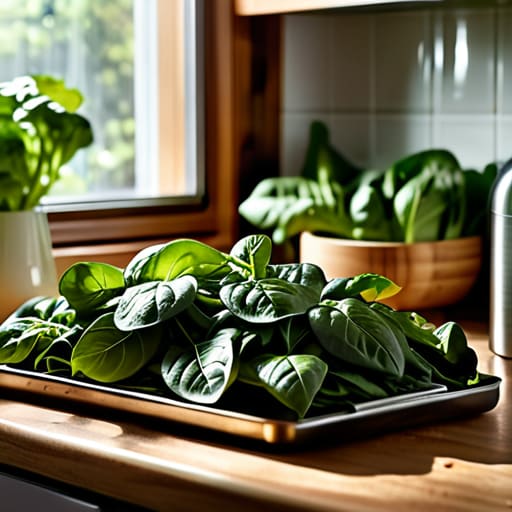
Look, most people wait until they see a fuzzy patch of mold before they actually start thinking about food safety. By then, it’s already too late. If you want to get serious about preventing food spoilage, you have to change how you handle groceries the second you walk through the door. It’s not about being a gourmet chef; it’s about building a workflow. When I get home from the store, I don’t just shove everything into the fridge and hope for the best. I take ten minutes to audit what I have. If I see a bag of spinach that’s already looking a little sad, it goes into the pan immediately. It’s about proactive management, not reactive cleaning.
Another huge mistake is treating your pantry like a black hole where bags of flour go to die. You need a system for your pantry staples preservation that actually works for your brain. I’m a big fan of the “first in, first out” rule—it sounds corporate, but it’s just common sense. Move the older cans to the front and put the new stuff in the back. Also, please, for the love of all things functional, invest in a few decent glass jars. The airtight container benefits are massive; they keep your crackers from turning into dust and your cereal from getting stale, which saves you from having to replace things you literally just bought.
Five Low-Effort Hacks to Stop Your Groceries from Dying
- Stop treating your fridge like a junk drawer. If you can’t see the spinach at the back, you’re going to forget it exists until it turns into green slime, so use clear bins or just keep things on one level.
- Get those berries out of those plastic clamshells. They’re basically humidity traps; wash them in a vinegar bath, dry them completely, and keep them in a glass jar if you actually want them to last more than two days.
- Learn the “First In, First Out” rule from my sysadmin days—apply it to your pantry. Move the older cans and pasta to the front so you actually use them before they expire, rather than just buying more of the same stuff.
- Don’t be a hero with your herbs. If they come in a bunch, treat them like flowers: trim the stems and stick them in a small jar of water in the fridge to keep them from wilting into nothing.
- Invest in a few decent, airtight containers, but don’t stress the aesthetic. As long as the seal is tight and it keeps the air out, it doesn’t matter if they don’t match; it’s about function, not a Pinterest board.
Stop Throwing Money in the Trash
At the end of the day, keeping your food fresh isn’t about having a perfectly color-coded pantry that looks like a Pinterest board; it’s about building a system that actually works for your lifestyle. Whether you’re finally separating your onions from your potatoes to stop them from rotting prematurely, or you’re actually using those airtight containers instead of letting leftovers sit in open bowls, you’re making a move toward a more efficient kitchen. Remember, it’s not about being perfect—it’s about reducing waste and making sure the groceries you worked hard to buy actually end up in your system instead of your compost bin.
I know that looking at a messy fridge or a disorganized pantry can feel overwhelming, but don’t feel like you have to overhaul everything overnight. Start small. Pick one thing—maybe it’s just learning how to properly store your herbs or finally organizing your vegetable drawer—and master that. Once you see how much money and time you save by not constantly running back to the store for spoiled items, it becomes a habit. You deserve a home that functions smoothly without constant stress, and honestly, taking control of your kitchen is one of the easiest ways to start.
Frequently Asked Questions
Is it actually worth buying those expensive vacuum sealers, or can I just get by with basic containers?
Look, unless you’re bulk-buying meat from a local farmer or living off a mountain of dried beans, skip the expensive vacuum sealer. It’s another gadget taking up drawer space. For 90% of us, a decent set of airtight glass containers and some decent silicone stretch lids will do the job perfectly. Don’t let the “perfect kitchen” influencers trick you into buying tech you won’t actually use. Keep it simple; keep it functional.
How do I know if something is actually "bad" or if it's just past its "best by" date?
Look, “Best By” dates are mostly just the manufacturer’s way of covering their tracks—they aren’t a countdown to toxicity. If you want to stop stressing, use your senses. If it smells off, looks slimy, or has actual fuzzy mold, toss it. But if it’s a yogurt that’s two days past its date but looks and smells totally normal? It’s probably fine. Trust your nose and your eyes over a printed label.
Are there specific spots in my fridge that are actually better for certain foods, or is it all just a myth?
It’s definitely not a myth; your fridge isn’t just one big uniform cold box. The temperature fluctuates more than you’d think. Keep your dairy and meat in the coldest spots—usually the bottom shelf or the very back. I use the door for things that can handle a bit of a temp swing, like condiments or sodas, but never for milk. If you treat your fridge like a system with zones, you’ll stop wasting money on spoiled stuff.
What's the best way to organize my pantry so I don't keep buying duplicates of stuff I already have?
Look, stop buying those matching glass canisters if they don’t actually make sense for your workflow. The secret isn’t “aesthetic”; it’s visibility. Use clear bins for things like snacks or pasta so you can see exactly how much is left at a glance. Most importantly, implement a “First In, First Out” system—tuck the older cans to the front and put the new stuff in the back. If you can see it, you won’t double-buy it.