Can we please stop pretending that meal prepping requires a $200 haul of organic microgreens and a set of matching, glass aesthetic containers that cost more than my vintage synth parts? I am so tired of seeing those “Sunday Reset” videos where everything looks like a sterile laboratory setup. Real life is messy, and if your system for how to meal prep is so complicated that it feels like a second job, then the system is broken, not you. I spent years trying to follow those hyper-organized, Pinterest-perfect blueprints only to end up staring at a fridge full of sad, wilted kale by Wednesday because the “plan” was too rigid to actually live in.
I’m not here to sell you on a lifestyle overhaul or a curated aesthetic; I’m here to give you a functional toolkit. I want to show you how to build a low-maintenance system that actually survives your busiest workdays without draining your bank account or your sanity. We’re going to focus on modular components, smart batching, and the kind of no-nonsense efficiency that keeps you fed so you can get back to the things that actually matter.
Ditch the Pinterest Perfection for Healthy Meal Planning Ideas
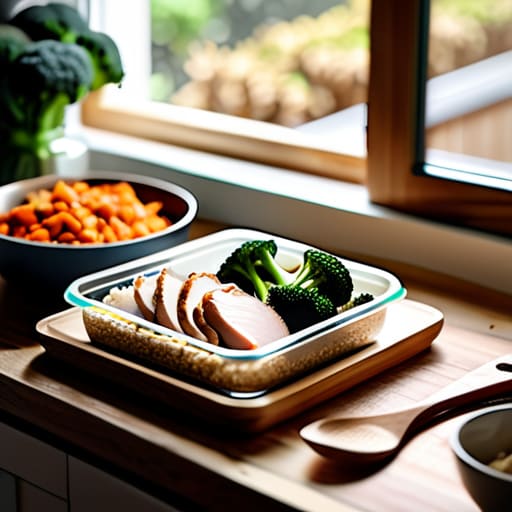
Look, I’m going to be real with you: if your idea of meal planning involves spending six hours on a Sunday arranging color-coded quinoa and kale into tiny, identical glass jars, you’re doing it wrong. That kind of stuff looks great on a grid, but it’s not sustainable for someone with a real life. I don’t care if your chicken looks perfectly cubed or if your sauce is aesthetically drizzled; I care that it’s actually edible by Thursday. Instead of chasing those impossible standards, focus on finding healthy meal planning ideas that actually fit into your workflow. Think of it like optimizing a server—you want maximum uptime with minimum overhead.
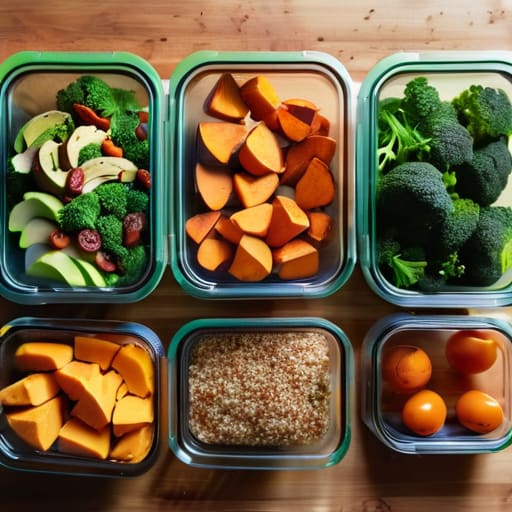
The goal isn’t to become a gourmet chef; it’s to stop the “what am I going to eat?” panic at 7:00 PM. I’ve found that leaning into batch cooking techniques is a total game-changer. Instead of making five different complex recipes, just cook a massive amount of a versatile base—like roasted veggies or a hearty grain—and swap the proteins throughout the week. It’s much more efficient than trying to micromanage every single calorie. Just grab some decent meal prep containers for storage that actually seal properly, throw your food in, and get on with your life.
A Meal Prep Schedule for Busy Professionals Who Actually Work
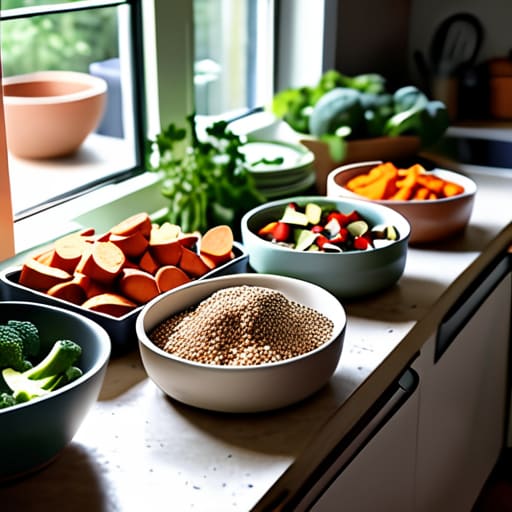
Look, I get it. You finish a ten-hour shift, your brain is fried, and the last thing you want to do is play sous-chef. If you try to cook a five-course meal every single night, you’re going to burn out by Wednesday. Instead of treating every meal like a new project, I use a meal prep schedule for busy professionals that relies on efficiency rather than intensity. I don’t do “cooking marathons” on Sundays that leave me exhausted for Monday morning. Instead, I aim for a “component-based” approach.
I spend about ninety minutes on Sunday evening using basic batch cooking techniques—think roasting two trays of veggies, boiling a big pot of grains, and prepping one solid protein. That’s it. I’m not making individual, tiny portions of every single dish; I’m just building a library of ingredients. When Tuesday rolls around and I’m staring at my laptop, I just grab a handful of greens, some pre-cooked quinoa, and that roasted chicken. It takes five minutes to assemble, and more importantly, it actually works with a real schedule. If you want to survive the work week without living on takeout, stop trying to be a chef and start acting like a systems administrator.
Five Ways to Stop Treating Meal Prep Like a Chore
- Stop buying specialized “prep containers” just because they look cute in a grid. Use what you already have in your kitchen; if it seals tightly and fits in your fridge, it’s doing its job.
- Build “Modular Meals” instead of rigid recipes. Prep a big batch of roasted veggies, a grain like quinoa, and a protein like shredded chicken. That way, you aren’t stuck eating the exact same flavor profile five days in a row.
- Don’t try to cook everything on Sunday. If you spend four hours in the kitchen every weekend, you’re going to burn out by week three. Aim for “component prepping”—just the heavy lifting—and assemble the rest in minutes.
- Invest in a decent set of knives and actually keep them sharp. There is nothing that kills my productivity faster than struggling to chop an onion with a dull blade; it makes a simple task feel like a survival mission.
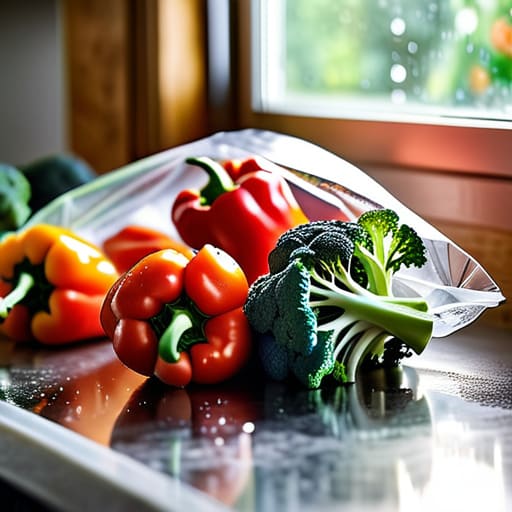
- Embrace the “Emergency Frozen Meal” strategy. Keep a few high-quality frozen options or even just bags of frozen veggies on hand for those nights when your system fails and you’re too exhausted to even look at a Tupperware container.
Stop Overthinking and Just Start
Look, we’ve covered a lot of ground here. We talked about why you need to stop chasing that unattainable Pinterest aesthetic and instead focus on a system that actually fits your chaotic schedule. We broke down how to build a realistic meal prep routine that doesn’t require you to spend your entire Sunday standing over a stove like a kitchen hermit. The takeaway is simple: meal prepping isn’t about having perfectly color-coded containers; it’s about building a functional system that prevents you from spending twenty bucks on mediocre takeout when you’re too tired to think. If you can master a simple workflow and stick to a schedule that respects your actual workload, you’ve already won.
At the end of the day, your kitchen should work for you, not the other way around. Don’t let the fear of doing it “wrong” keep you from even trying. Whether you’re just prepping three lunches for the week or tackling a full Sunday haul, the goal is reducing friction in your life. You deserve to have a fridge full of food that actually fuels you without it becoming a second full-time job. So, grab your multi-tool, clear some counter space, and just start small. You’ve got this.
Frequently Asked Questions
I don't have much counter space in my tiny kitchen; how do I prep without turning my apartment into a disaster zone?
Look, I grew up in a cramped apartment where “counter space” was a generous myth, so I get it. You don’t need a chef’s kitchen; you just need a system. Stop trying to prep everything at once. Work in “micro-batches” and use a single large cutting board as your primary workstation. Most importantly: clean as you go. If you wait until the end to deal with the mess, you’ve already lost the battle.
How do I stop my prepped meals from tasting like sad, soggy leftovers by Wednesday?
The “Wednesday Slump” is usually a texture problem, not a flavor one. Stop mixing your sauces directly into everything on Sunday; that’s how you end up with mush. Keep your proteins and grains separate from your greens and sauces until the actual moment you eat. Also, invest in decent glass containers—plastic holds onto old smells and makes everything feel limp. Treat your fridge like a well-organized server rack: everything has its place, and nothing gets crowded.
Is it actually worth buying a bunch of matching glass containers, or can I just use whatever I already have in the cupboard?
Look, I’m all for a functional system, but please don’t fall into the “matching container” trap. It’s just another way to waste money on an aesthetic that doesn’t actually make your food taste better. Use what you have. If you have a random assortment of mismatched plastic and glass, use that. The only real rule? Make sure they actually seal so your leftovers don’t turn into a science project by Wednesday. Keep it simple.
What do I do if my schedule completely falls apart mid-week and I end up ordering takeout anyway?
Look, we’ve all been there. Your Tuesday explodes, your brain turns to mush, and suddenly you’re staring at a delivery app instead of your Tupperware. Don’t spiral. The mistake is thinking the whole week is ruined. Just pivot. Order something that isn’t total junk, and tomorrow, we reset. Meal prepping isn’t about being a robot; it’s about having a system that’s flexible enough to survive your actual life. Reset, don’t quit.