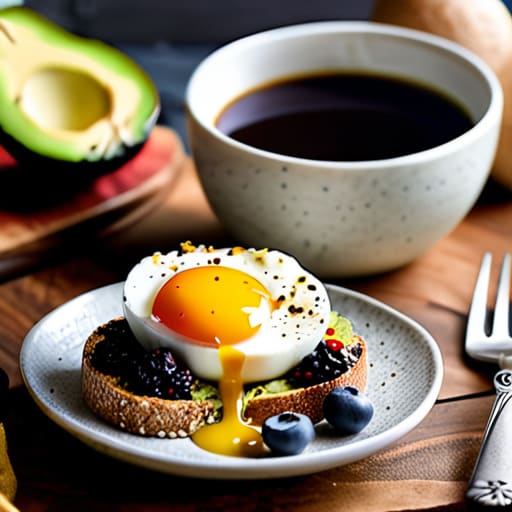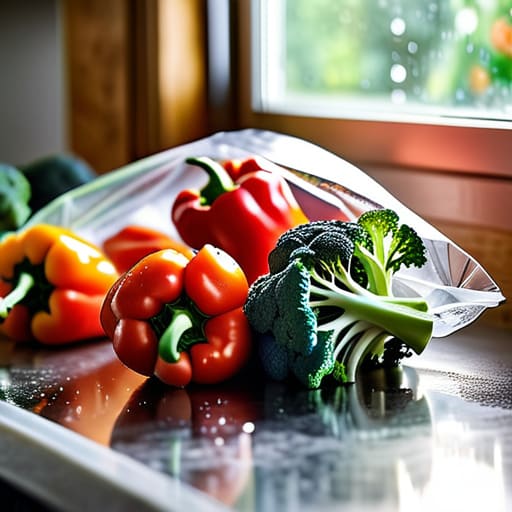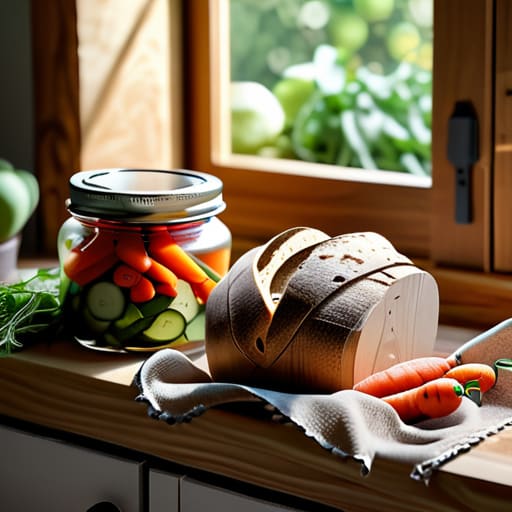
If you’ve ever scrolled through social media and seen those “aesthetic” meal prep videos—you know the ones, with the perfectly color-coded glass containers and $80 worth of organic microgreens—please, just stop. It’s exhausting, it’s expensive, and frankly, it’s a lie. Real life doesn’t happen in a curated kitchen with studio lighting; it happens when you’re staring at a half-empty fridge at 7:00 PM on a Tuesday, wondering if cereal counts as a meal. I spent years trying to follow those rigid, Pinterest-perfect systems before I realized that batch cooking for beginners isn’t about achieving visual perfection; it’s about building a functional system that keeps you from ordering overpriced takeout when your brain is fried.
I’m not here to sell you on a lifestyle overhaul or a complicated set of rules that require a culinary degree. Instead, I want to give you the actual, unpolished framework I use to keep my own life running smoothly. We’re going to focus on the high-impact, low-effort methods that prioritize sustenance over aesthetics. I’ll show you how to prep components rather than rigid meals, so you actually have variety throughout the week without spending your entire Sunday stuck in the kitchen.
Time Saving Meal Planning Tips That Actually Stick
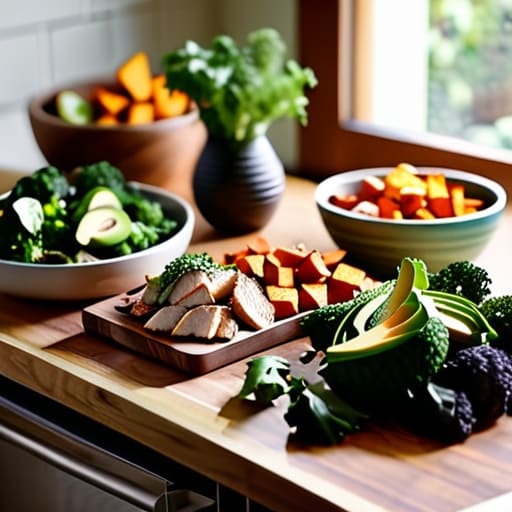
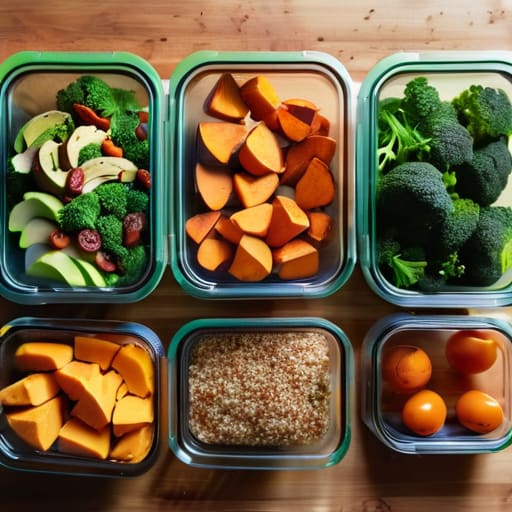
Look, the biggest mistake I see people make is trying to plan a seven-day gourmet menu on a Sunday afternoon when they’d rather be doing literally anything else. That’s how you end up with burnout and a pile of wilted spinach in the crisper drawer. Instead, I swear by a flexible weekly meal prep schedule that focuses on components rather than rigid recipes. Don’t think “Monday is Taco Tuesday”; think “I have a big batch of roasted sweet potatoes and seasoned chicken ready to go.” If you prep versatile building blocks, you can pivot from a grain bowl to a wrap in thirty seconds without feeling like you’re eating the same sad leftovers every single day.
To make this actually sustainable, you need to stop treating your kitchen like a high-end restaurant and start treating it like a system. Invest in a few solid meal prep containers for beginners—specifically the glass ones that don’t turn your curry into a neon-orange mess—and keep your workflow simple. If you’re trying to stay on top of things, don’t try to cook five new recipes at once. Pick one protein, one grain, and two veggies. It’s about minimizing decision fatigue so that when you’re exhausted on a Wednesday, your only job is to grab a container and heat it up.
Essential Kitchen Tools for Bulk Cooking Without the Mess
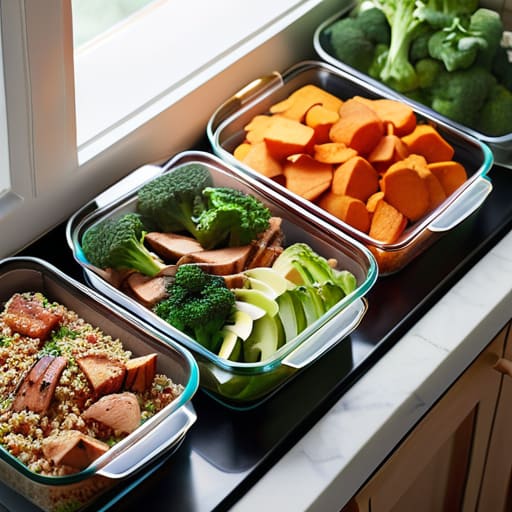
Look, you don’t need a professional-grade kitchen or a set of designer gadgets to make this work. In fact, most of those expensive “specialty” tools are just clutter waiting to happen. If you’re serious about getting started, your best friends are going to be heavy-duty, oven-safe pans and a decent set of meal prep containers for beginners. I’m talking about the kind with locking lids that actually seal; there is nothing more soul-crushing than opening your fridge on a Wednesday only to find your quinoa has leaked all over your leftover curry. If you can invest in one thing, make it glass. It lasts longer, doesn’t stain, and you can toss it straight in the microwave without worrying about microplastics.
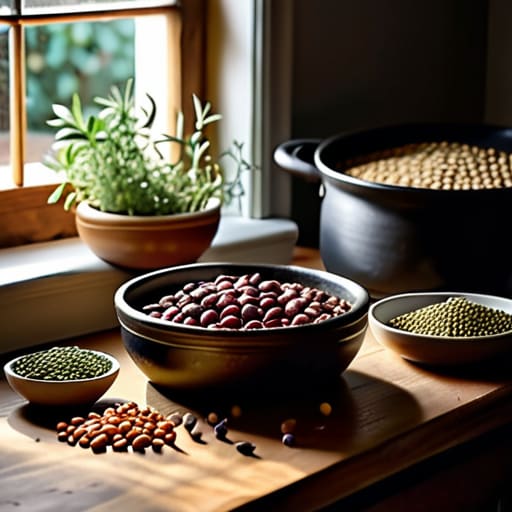
Beyond the storage, don’t underestimate the power of a high-capacity cutting board and a sharp chef’s knife. If you’re trying to tackle a massive amount of veggies at once, a dull knife is a recipe for a trip to the ER, not a productive Sunday. Also, if you really want to level up, a large Dutch oven or a massive stockpot is a total game-changer for budget friendly batch cooking. You can whip up a massive batch of chili or lentil soup in one go, which saves you from washing five different pans later. Keep the hardware simple, keep it functional, and let the food do the heavy lifting.
Five Ways to Batch Cook Without Losing Your Mind
- Stop trying to cook five different recipes at once. Pick one base protein (like shredded chicken or seasoned lentils) and one versatile grain, then just change the sauces throughout the week so you don’t feel like you’re eating the same sad bowl of mush every single day.
- Don’t be a hero and try to prep everything on a Sunday night when you’re already exhausted. If that feels like too much, just prep the “hard stuff”—the things that take the longest to cook or the most effort to chop—and leave the rest for a quick assembly later.
- Invest in decent, airtight containers that actually stack. There is nothing more frustrating than a fridge full of mismatched Tupperware that makes it impossible to find what you actually need when you’re hungry.
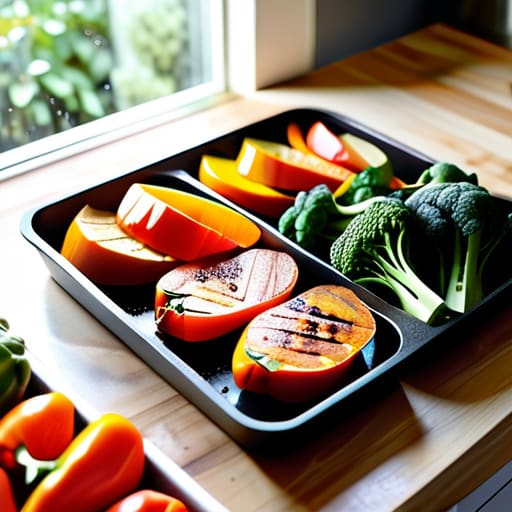
- Learn the “halfway” method. You don’t have to cook everything to completion. You can roast a massive tray of veggies or prep a huge batch of grains that are 80% done, so you can finish them off in five minutes when you actually want them to taste fresh.
- Embrace the freezer. If you realize you’ve made way too much of something, don’t let it rot in the fridge. Portion it out into individual servings and freeze them immediately. It’s basically like building your own personal “emergency meal” library for those days when life happens.
Stop Aiming for Perfection and Just Start
Look, we’ve covered a lot of ground here. We talked about how to plan your meals without losing your mind, and we identified the actual tools you need to keep the kitchen from turning into a disaster zone. The goal isn’t to become a Michelin-star chef who spends every Sunday in a flour-dusted apron; it’s about building a functional system that serves you. If you end up with three different types of roasted veggies and a giant tub of seasoned rice, you’ve won. You’ve successfully automated your nutrition so that when Wednesday rolls around and your brain is fried from work, you aren’t staring blankly into an empty fridge. Focus on the utility, not the aesthetic.
At the end of the day, batch cooking is just another form of systems administration—you’re just optimizing your biological hardware instead of a server. Don’t let the fear of a messy kitchen or a failed recipe stop you from setting up a workflow that actually works for your life. It’s going to be a little chaotic the first time you try it, and you might overcook the quinoa, but that’s fine. The point is to reclaim your time and your sanity. Once you get the rhythm down, you’ll realize that having a plan isn’t restrictive; it’s actually the ultimate form of freedom. Now, go grab your containers and get to it.
Frequently Asked Questions
How do I stop my food from tasting like "leftovers" by Thursday?
The “leftover” taste is usually just a lack of texture and acidity. When you reheat something, it gets mushy and flat. My fix? Don’t prep the whole meal; prep the components. Keep your grains, proteins, and veggies separate in the fridge. When it’s time to eat, hit it with something fresh—a squeeze of lime, a handful of crunchy seeds, or some fresh herbs. It wakes the flavors up and makes it feel like a new meal.
Do I really need all those expensive glass containers, or can I just use what I have?
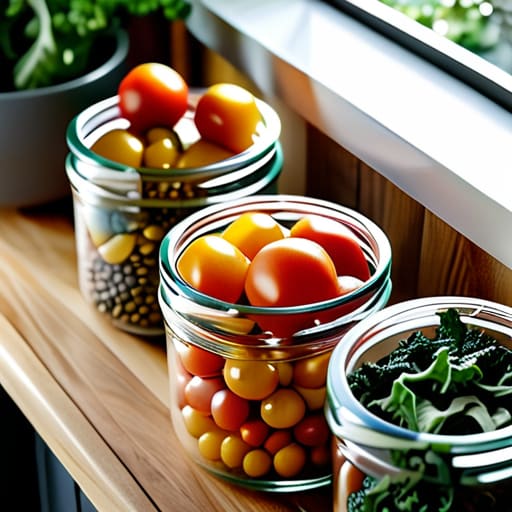
Look, if you’re waiting for a matching set of aesthetic glass containers to start cooking, you’re never going to start. Please don’t fall for the “organized pantry” trap. Use what you have—old Tupperware, mason jars, or even just some sturdy deli containers. The goal is to have food ready to grab, not to win a home decor award. If it holds a meal and seals reasonably well, it’s good enough for me.
What’s the best way to freeze things without them turning into a block of ice?
The secret is moisture management and surface area. If you’re freezing liquids like soups or sauces, use silicone molds or muffin tins first; once they’re frozen solid, pop the “pucks” into a freezer bag. For solids, like chopped veggies or meat, lay them out flat on a parchment-lined tray for an hour before bagging them. This “flash freezing” prevents that massive, inseparable ice block from forming, so you can actually grab exactly what you need.
How do I actually manage the time so I'm not stuck in the kitchen all Sunday?
Look, the biggest mistake I see is treating meal prep like a marathon session where you can’t leave the kitchen. Don’t do that. Instead, use the “component method.” Don’t cook full meals; just prep building blocks—a big batch of grains, two roasted veggies, and a protein. While those are in the oven, you can actually go live your life or work on a side project. It’s about parallel processing, not standing over a stove for four hours.