Let’s be real: most cooking content online is a total lie. You see these influencers in pristine, white-marble kitchens, effortlessly tossing organic microgreens into a pan like they have all the time in the world. But I know what it’s actually like when you’ve been staring at a screen for eight hours, your brain is fried, and the last thing you want to do is tackle a recipe that requires twelve different spices and a degree in chemistry. We don’t need more “aesthetic” cooking; we need easy dinner recipes that actually respect our time and our limited energy levels.
I’m tired of the gatekeeping that makes people feel like they aren’t “real cooks” just because they can’t make a reduction sauce from scratch on a Tuesday. That’s why I’ve curated a list of eight reliable, low-maintenance meals that focus on functional nutrition and minimal cleanup. I’m going to show you how to build a rotation of dinners that work with your life, not against it. By the end of this, you’ll have a toolkit of go-to meals that prove you can eat well without turning your kitchen into a disaster zone.
The Sheet Pan Savior
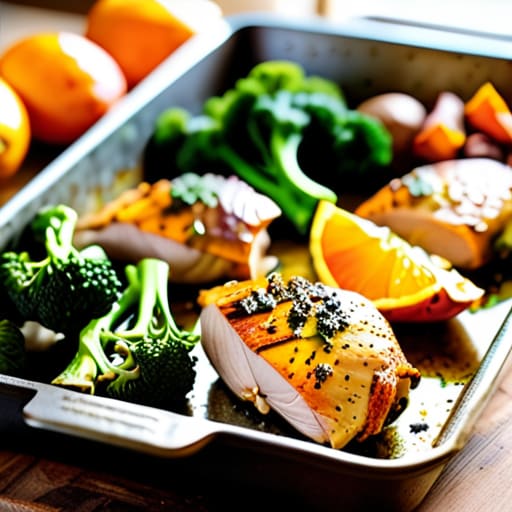
If you’re like me and your brain is basically fried by 6:00 PM, you need to embrace the sheet pan method. I’m talking about tossing some chicken thighs, chopped sweet potatoes, and broccoli in olive oil and spices, then just dumping it all on one tray and letting the oven do the heavy lifting. It’s not about a gourmet presentation; it’s about minimizing the amount of dishes you have to scrub later.
One-Pot Pasta Logic
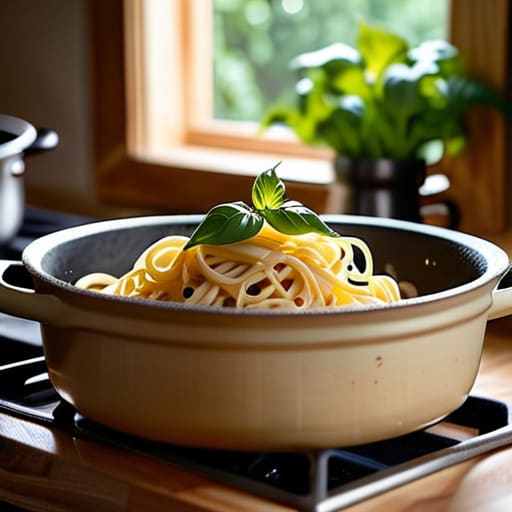
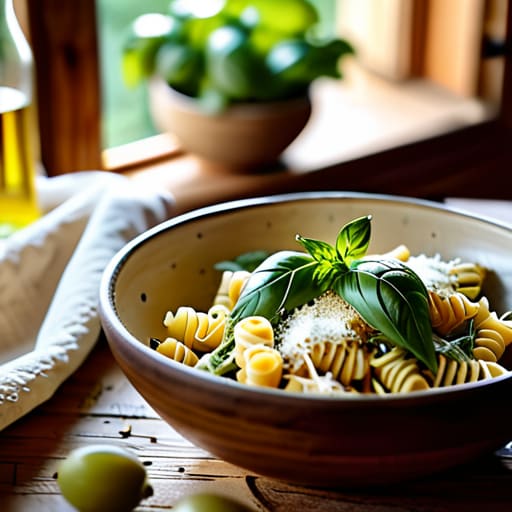
I used to think making pasta required a massive pot of boiling water and a dozen different colanders, but that’s just inefficient. Now, I use the one-pot method where you cook the noodles directly in the sauce or a mix of broth and water. It creates this naturally creamy texture because the starch from the pasta stays in the pot rather than being rinsed down the drain.
The "Adult" Quesadilla
Let’s be real: sometimes you just need food that takes five minutes. A quesadilla is the perfect fallback, but we’re going to upgrade it from “college dorm snack” to an actual meal. Instead of just plain cheese, I always keep a bag of pre-washed spinach or some canned black beans in my pantry to toss inside for extra substance.
Grain Bowls on Autopilot
I’m a huge fan of the “assembly over cooking” philosophy, and grain bowls are the gold standard here. I usually keep a big batch of quinoa or brown rice in the fridge—think of it like your system’s core database. Once you have the base ready, you’re just adding different “modules” like canned chickpeas, sliced cucumber, or a hard-boiled egg.
Breakfast for Dinner
There is a specific kind of exhaustion that only a well-made omelet or a stack of protein pancakes can fix. When I’ve spent the entire day troubleshooting someone else’s server issues, the last thing I want to do is manage a complex recipe. Eggs are the ultimate survival food because they’re cheap, they cook fast, and they’re incredibly versatile.
The Pantry Pasta Standard
When the fridge looks depressingly empty, your pantry is your best friend. I always keep a “standard kit” of dry pasta, garlic, olive oil, and red pepper flakes. This is the classic aglio e olio approach, and it’s a lifesaver when you haven’t been to the grocery store in a week.
Loaded Baked Potatoes
If you have a microwave and an oven, you have a meal. Baked potatoes are the ultimate “blank canvas” food. I like to prep them by just washing them, poking a few holes, and letting them roast while I finish up my work. They are incredibly filling and require almost zero active supervision.
Stir-Fry Speedrun
Stir-fry is basically the “rapid prototyping” of the food world. You take whatever protein and vegetables you have, hit them with some high heat, and add a quick sauce. I usually keep a bottle of soy sauce and some sesame oil on hand because they provide instant flavor depth with zero effort.
Stop Chasing Perfection, Start Eating Well
At the end of the day, these recipes aren’t about achieving some Michelin-star level of culinary mastery; they’re about building a sustainable system for your survival. Whether you’re leaning on a one-pan roast to minimize cleanup or using that batch-cooked grain base to fuel your entire week, the goal is to remove the friction between you and a decent meal. We’ve looked at how simple ingredients and smart prep can turn a chaotic Tuesday night into something manageable. Remember, the best recipe is always the one that actually gets on your plate without causing a mental breakdown in the process.
I know how easy it is to get caught up in the “aesthetic” cooking videos where everything looks effortless and perfectly plated, but real life is usually much messier than that. My advice? Let the kitchen be a functional space, not a museum. If you end up eating your pasta straight out of the pot because you’re too tired to wash a bowl, that is a win in my book. You’re feeding yourself, you’re staying fueled, and you’re keeping your systems running. Stop waiting for the “perfect” time to cook and just start with what works for you right now.
Frequently Asked Questions
How can I prep these recipes ahead of time without everything getting soggy or gross by Wednesday?
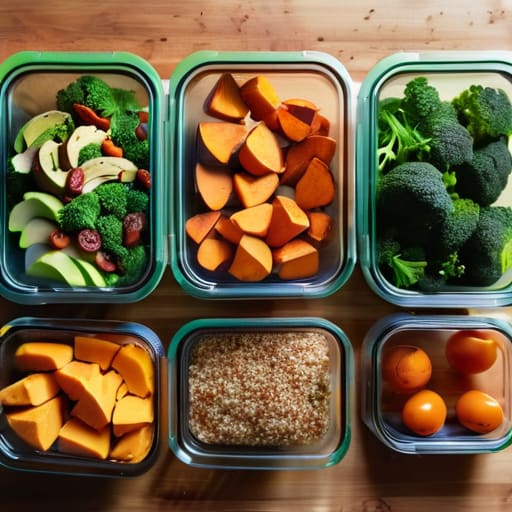
The secret is component prepping, not meal prepping. If you toss everything into one container on Sunday, you’re basically making a sad, soggy salad by Wednesday. Instead, keep your “wet” ingredients—like dressings, sauces, or cooked proteins—in separate small containers. Store your grains and roasted veggies separately too. Think of it like modular hardware: keep the parts independent until you’re ready to assemble and heat. It keeps the textures intact and the flavors actually fresh.
I'm on a tight budget—are there ways to swap out the more expensive ingredients for cheaper staples?
Look, I get it. My bank account doesn’t always match my ambition. The trick is treating your pantry like a modular system: swap the “premium” parts for functional equivalents. Instead of expensive proteins like salmon or steak, lean on lentils, canned chickpeas, or eggs—they’re basically the universal adapters of the food world. Swapping fresh herbs for dried ones or fancy oils for basic olive oil works too. It’s not about settling; it’s about optimizing for what you actually have.
What’s the best way to scale these down if I'm just cooking for myself?
Honestly, scaling down is where most people trip up and end up with a mountain of wasted food. My rule of thumb? Don’t just halve everything; rethink the batch. If a recipe calls for a whole head of garlic or a massive bag of spinach, don’t force it. Instead, prep a “base” component—like a single roasted chicken or a batch of grains—and pivot the flavors daily. It’s about building a system, not just shrinking a list.
I have a tiny kitchen with almost no counter space; which of these are the least "messy" to make?
If you’re working with zero counter real estate, you definitely want to avoid anything involving heavy chopping or multiple bowls. I’d steer clear of the stir-fry or anything requiring a massive prep session. Honestly, the sheet pan meals and the one-pot pasta are your best friends here. You can prep almost everything directly in the pan or pot, meaning you aren’t fighting for space just to slice an onion. Keep the mess contained!