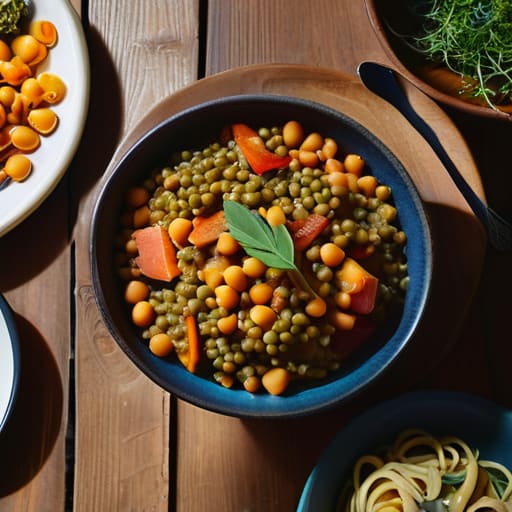
I’m so tired of seeing those “budget” meal prep videos where the person spends $150 on organic microgreens and artisanal sourdough just to claim they’re saving money. It’s total nonsense. If your version of eating well requires a specialized subscription box or a trip to a high-end boutique grocer, you aren’t actually building a system; you’re just buying a lifestyle. Real budget friendly meals aren’t about following some aesthetic, color-coded Pinterest board that leaves your bank account looking as empty as your stomach by Tuesday.
I’m not here to sell you on a fantasy of perfect, minimalist meal prep containers that cost more than the food inside them. Instead, I’m going to show you how to build a functional food system using basic staples, smart sequencing, and zero gatekeeping. We’re going to focus on high-utility ingredients and workflows that actually work when you’re tired, busy, or just plain over it. My goal is to help you strip away the fluff so you can spend less time stressing over grocery receipts and more time actually enjoying what you eat.
Low Cost Grocery Shopping Tips That Actually Work
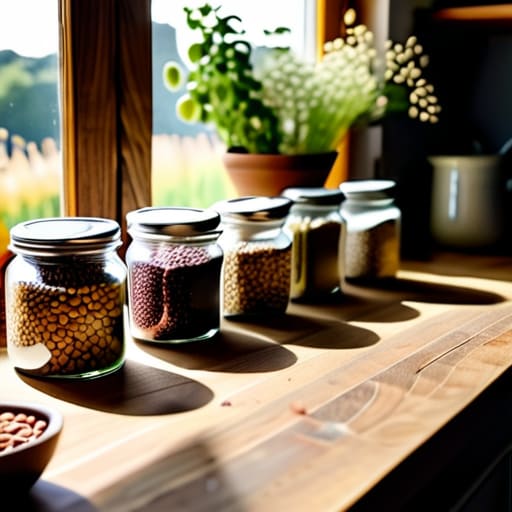
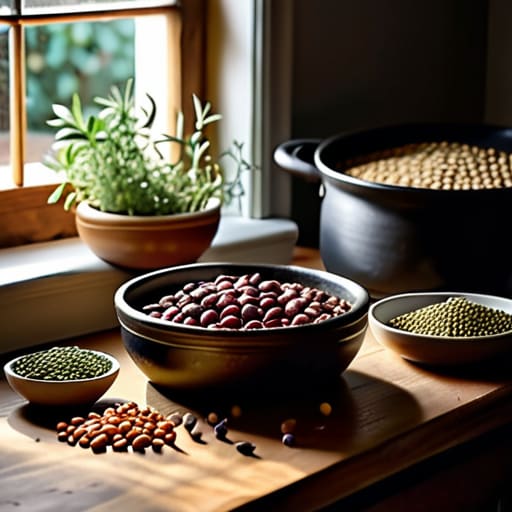
First off, let’s kill the idea that you need a massive, color-coordinated pantry to eat well. The secret to staying afloat isn’t finding some magical discount code; it’s about mastering your economical pantry staples. I’m talking about the heavy lifters: dried lentils, rice, oats, and canned beans. These aren’t just “cheap fillers”—they are the foundation of a system that keeps you fed when your bank account is looking a little thin. If you build your meals around these basics, you aren’t just saving money; you’re building a safety net of ingredients that won’t expire the second you look away.
When you actually hit the aisles, stop shopping with your eyes and start shopping with a logic-based workflow. Before you even leave the house, audit what you already have so you aren’t double-buying. Once you’re in the store, ignore the flashy, pre-cut veggie trays that charge a 300% markup just for the convenience. Instead, lean into bulk cooking for savings by grabbing larger quantities of versatile items like potatoes or onions. It might feel like more work upfront, but once you have the raw materials, you’re essentially pre-loading your future self with easy, low-stress options.
Mastering Economical Pantry Staples for Instant Meals
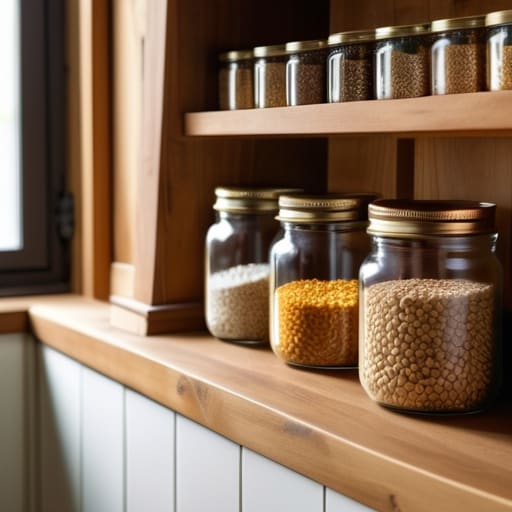
If you’re like me, your pantry is basically your life support system when the workday gets chaotic. Instead of viewing your cupboard as a collection of random cans, start seeing it as a toolkit. The secret to economical pantry staples isn’t about buying expensive “superfoods”; it’s about the heavy hitters like dried lentils, jasmine rice, oats, and canned chickpeas. These aren’t just filler—they are the foundation of a system that prevents you from hitting that “I have nothing to eat” panic at 7:00 PM. When you have these basics on hand, you’re never more than ten minutes away from a decent meal.
The real pro move is learning how to bridge these ingredients together. I’m a huge fan of building modular meals rather than following rigid, complex recipes. For instance, a can of black beans, some rice, and a jar of salsa isn’t just a “cheap meal”—it’s a customizable base you can tweak every single time. This approach is the ultimate hack for meal prepping for beginners because you aren’t stuck eating the exact same lukewarm Tupperware for five days straight. You’re just swapping seasonings or adding a stray egg from the fridge to keep things interesting. Keep it simple, keep it functional, and let the staples do the heavy lifting.
5 Low-Stress Systems to Keep Your Kitchen Budget from Spiraling
- Stop buying “pre-cut” anything. I know, it’s tempting when you’re tired, but you are literally paying a 30% markup for someone else to use a knife. Buy the whole head of lettuce or the block of cheese; it takes five minutes of prep and saves you enough money to actually buy the good coffee.
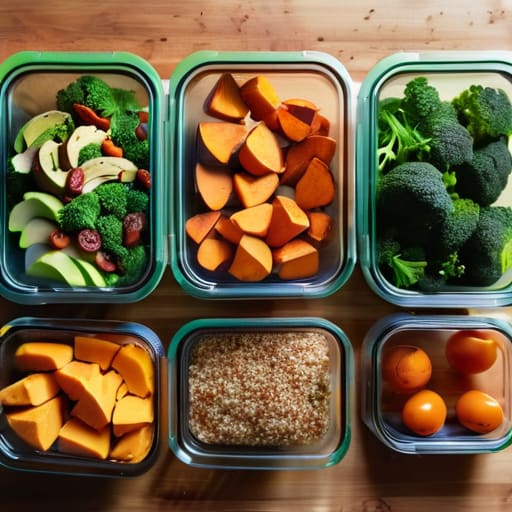
- Learn the “Component Cooking” method. Instead of making five different complex recipes, cook a massive batch of one base—like roasted sweet potatoes or seasoned black beans—and use them in different ways throughout the week. It’s basically modular programming, but for your stomach.
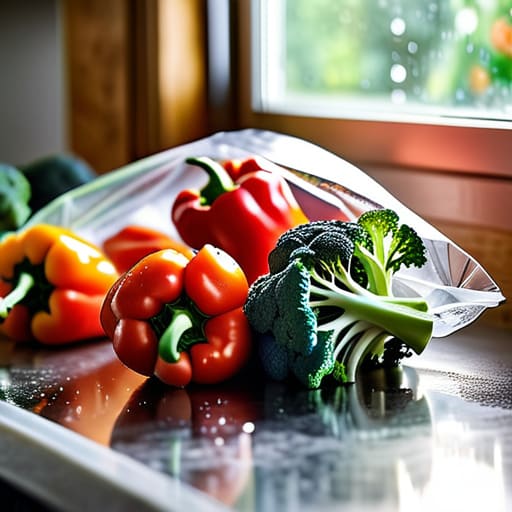
- Embrace the frozen aisle like it’s your job. Frozen veggies are often more nutrient-dense than the “fresh” stuff that’s been sitting in a truck for a week, and they won’t turn into a science experiment in your crisper drawer because you forgot about them.
- Audit your spice cabinet before you shop. There is nothing more frustrating than getting home to start a meal only to realize you’re out of cumin. Check your inventory first so you aren’t impulse-buying $7 jars of things you already have buried in the back.
- Use “Leftover Logic” as a formal meal plan. Dedicate at least two nights a week to “repurpose night.” That leftover roasted chicken isn’t just leftovers; it’s the foundation for tomorrow’s tacos or a quick pesto pasta. It’s about minimizing waste and maximizing your ROI.
Let’s Get This System Running
Look, we’ve covered a lot of ground here, from hacking your grocery list to making sure your pantry is actually working for you instead of just gathering dust. The goal isn’t to become a gourmet chef or to follow some unrealistic, highly-curated lifestyle you saw on a TikTok feed. It’s about building a functional system that stops the “what am I even eating tonight?” panic at 7:00 PM. By focusing on smart shopping and leaning heavily on those versatile staples we talked about, you’re essentially optimizing your daily operations to save both time and money. It’s about efficiency, not perfection.
At the end of the day, I want you to remember that your kitchen shouldn’t be a source of stress. Whether you’re meal-prepping for a busy week of freelance gigs or just trying to make sure you don’t spend your entire paycheck on takeout, the most important thing is that you feel in control. Don’t feel like you have to implement every single one of these tips by tomorrow morning. Just pick one—maybe it’s just buying one extra bag of rice or finally organizing that spice rack—and start there. Once you master the small systems, the big ones become incredibly easy to manage. You’ve got this.
Frequently Asked Questions
How do I keep my groceries from rotting in the fridge when I'm trying to stick to a strict meal plan?
The “forgotten vegetable” tragedy is real, and it’s usually a failure of your system, not your willpower. Stop treating your fridge like a black hole. First, use the “Eat Me First” bin—a literal container for anything nearing its expiration. Second, prep your greens immediately; washing and drying them in airtight containers buys you days of life. If you see something wilting, don’t toss it—throw it in a freezer bag for future smoothies or stocks.
Is it actually cheaper to buy in bulk, or am I just spending more money upfront on stuff I won't use?
Honestly, it’s a trap if you aren’t careful. Buying in bulk only works if you actually have a system for using what you buy. If you’re grabbing a massive bag of quinoa just because it’s “cheaper per ounce” but it ends up sitting in your pantry for six months, you didn’t save money—you just wasted it upfront. Stick to bulk for non-perishables you use weekly; otherwise, you’re just hoarding expensive clutter.
What are some ways to make cheap pantry staples actually taste good so I don't get bored of eating the same thing every week?
The secret isn’t buying expensive ingredients; it’s about layering flavor so your beans and rice don’t feel like a chore. Invest in a few “high-impact” flavor bombs: soy sauce, smoked paprika, garlic powder, and maybe a decent hot sauce. If you’re stuck with plain pasta, don’t just settle—sauté some garlic in whatever oil you have and hit it with red pepper flakes. It’s all about small, functional upgrades that keep things from tasting repetitive.
How can I meal prep for the week without spending my entire Sunday stuck in the kitchen?
Stop treating meal prep like a marathon. You don’t need to spend six hours sweating over a stove to eat well. Instead, use a “component” system: roast two trays of veggies, cook a big batch of grains, and prep one versatile protein. Mix and match them throughout the week with different sauces. It’s basically modular coding for your kitchen—less time spent executing a single massive script, and more flexibility when you actually want something different.