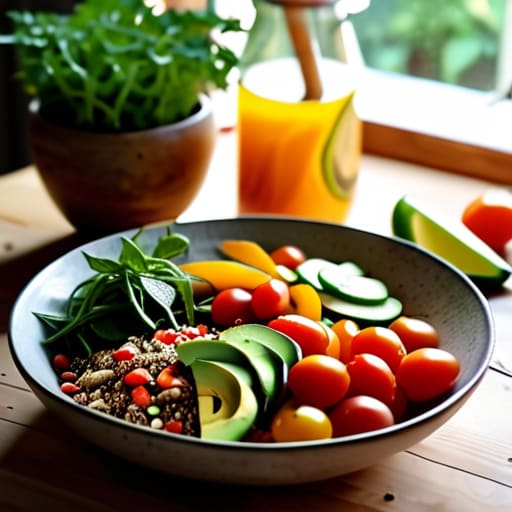
Let’s be real: most “wellness” content makes eating well look like a full-time job that requires a designer kitchen and three hours of prep time. I’ve spent enough time troubleshooting complex server migrations to know that when a system is too complicated, it eventually crashes—and your dinner routine is no different. We’ve all been there, staring into a fridge full of ingredients but feeling too drained to actually do anything, eventually just settling for expensive, processed takeout. You don’t need a culinary degree or a pantry full of obscure superfoods to stay fueled; you just need some easy healthy recipes that actually respect your time and your sanity.
I’m stripping away the fluff and the aesthetic-only meal prep trends to give you something much more useful. In this list, I’m breaking down eight high-functioning meals that prioritize minimal cleanup and maximum nutrition. These aren’t just random ideas; they are my personal go-to systems for staying energized without turning my kitchen into a disaster zone. By the end of this, you’ll have a toolkit of reliable, delicious options that fit into a busy life, rather than a life that revolves around a recipe.
The One-Pan Sheet Pan Savior
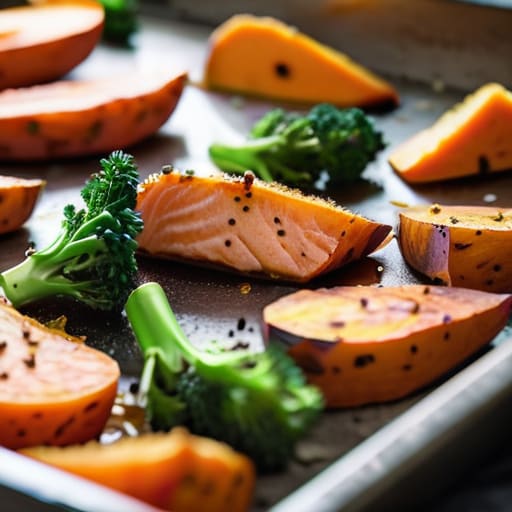
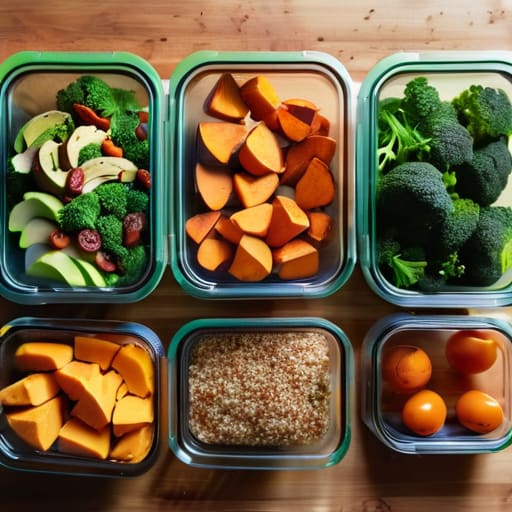
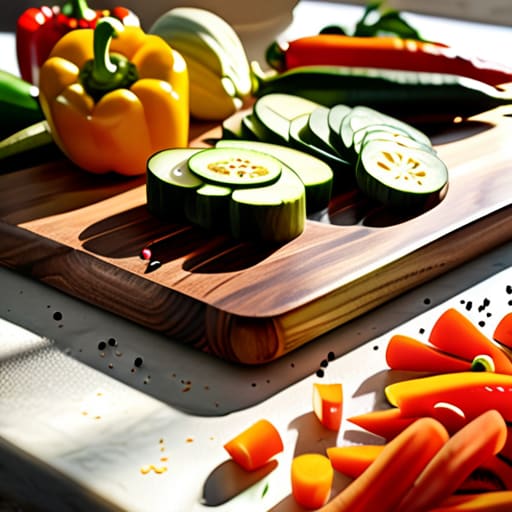
If you’re anything like me, the last thing you want to do after a long day of troubleshooting server errors is scrub five different pots and pans. This is my go-to when I need to eat something that isn’t just cereal. You just toss some chopped sweet potatoes, broccoli, and a protein like salmon or chicken thighs onto a single tray, drizzle with olive oil, and let the oven do the heavy lifting. It’s all about minimizing the friction between you and a decent meal.
The "No-Cook" Mediterranean Bowl
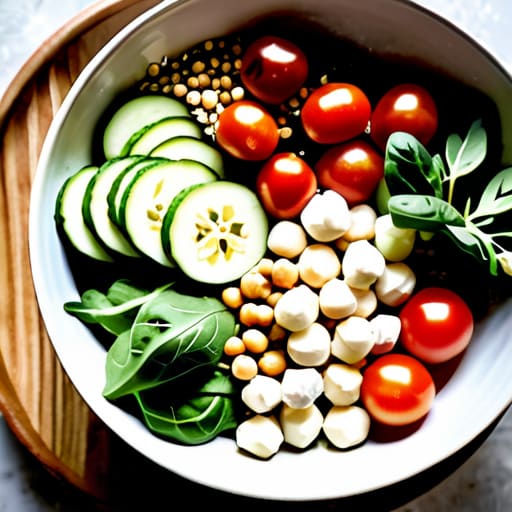
Some days, the kitchen feels like a battlefield I just don’t have the energy to enter. On those days, I rely on assembly rather than actual cooking. I grab a base of pre-washed arugula or even a pouch of microwaveable quinoa, then pile on the “good stuff” like canned chickpeas, cucumber, cherry tomatoes, and feta cheese. It’s essentially a systematic approach to eating that requires zero heat.
Overnight Oats for the Chronically Late
I used to think breakfast was something you figured out at 8:00 AM while frantically searching for your keys, but that was a recipe for a caffeine crash by noon. Now, I prep my oats the night before in a mason jar. You just mix rolled oats with whatever milk you like, throw in some chia seeds for texture, and let it sit in the fridge. It’s basically setting an automated task for your morning self.
The 10-Minute Black Bean Tacos
When I’m craving something that feels a bit more “fun” but I don’t want to spend an hour prepping, I go for these. It’s just canned black beans (rinsed, please!), some avocado, and whatever salsa is sitting in your fridge. You can warm the beans in a pan for a few minutes with some cumin, throw them in corn tortillas, and you’re suddenly eating a real meal.
Adult-Sized Pesto Pasta
We all have those nights where we just need carbs, and that’s fine. But instead of a massive bowl of plain noodles, I try to upgrade the system. I use whole wheat or chickpea pasta for a bit more substance and stir in a high-quality pesto. I usually throw in a handful of baby spinach at the very end—the heat from the pasta wilts it perfectly, so you’re getting your greens without the effort.
The Power Smoothie Protocol
Sometimes, I don’t even want to chew. When I’m deep in a project or just feeling sluggish, a smoothie is the quickest way to get nutrients into my system. I keep a bag of frozen berries and some spinach in the freezer so I’m never starting from scratch. It’s a plug-and-play method for nutrition that takes less time than making a piece of toast.
Loaded Avocado Toast 2.0
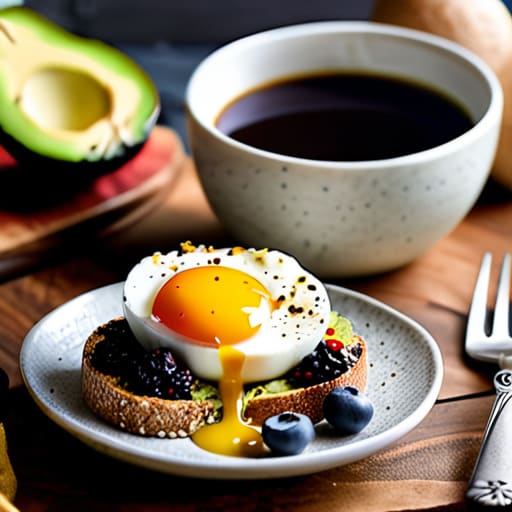
I know, I know—avocado toast is a cliché. But hear me out: it’s a cliché because it works. It’s a perfect balance of healthy fats and complex carbs. To make it actually feel like a meal and not just a snack, I use thick, toasted sourdough and top it with more than just salt. I’m talking red pepper flakes, a hard-boiled egg (which you can prep in batches), or even some sliced radishes for crunch.
Stir-Fry Without the Stress
Most people avoid stir-fry because they think it requires a million tiny prep steps. My advice? Buy the pre-cut vegetable mixes from the grocery store. Yes, it costs a little more, but you’re paying for the time you get back. Toss them into a hot pan with some tofu or shrimp, add a splash of soy sauce and ginger, and you’re done in under fifteen minutes.
Stop Stressing the Menu
At the end of the day, these recipes aren’t about achieving some unattainable culinary masterpiece or posting a perfectly curated plate to your story. They are about functional nutrition that fits into a life that is already way too busy. Whether you’re leaning on the one-pan roasted veggies to save on cleanup or using those quick grain bowls to bypass the takeout urge, the goal is the same: getting fuel into your body without the mental overhead. If you can master a few of these low-maintenance staples, you’ve essentially built a system that works for you, rather than you working for your kitchen.
I know it’s easy to feel like you’re failing if you aren’t meal prepping for the entire week every Sunday morning, but honestly? That’s just more unnecessary complexity. Real productivity in the kitchen looks like making things that actually happen. Don’t let the fear of a messy counter or a slightly imperfect meal stop you from starting. Just pick one recipe from this list, grab your tools, and just make it happen. Once you realize that eating well doesn’t have to be a full-time job, everything else starts to feel a little more manageable.
Frequently Asked Questions
How do I keep these meals from tasting like cardboard if I'm prepping them all on a Sunday?
The “cardboard” vibe usually happens because you’re overcooking everything during prep or letting moisture escape. My rule? Under-cook your grains and proteins slightly; they’ll finish cooking when you reheat them. Most importantly, treat your sauces like a separate system. Keep dressings, salsas, or even just a splash of lime juice in small containers and add them after reheating. It’s the difference between a sad, dry bowl and something that actually tastes fresh.
Is there a way to do this without spending a fortune on "superfood" ingredients that are basically just marketing hype?
Honestly, yes. The “superfood” industry is basically just a massive marketing machine designed to make you feel like your pantry is broken if it doesn’t have $20 dragon fruit. Don’t fall for it. You don’t need rare powders to get nutrients. Stick to the basics that actually work: frozen berries, spinach, beans, and oats. They’re cheaper, they last longer, and they do the exact same job without the ridiculous markup. Keep it simple.
I’m terrible at cleaning up—how can I keep the kitchen from becoming a disaster zone while I'm cooking?
Look, I get it. I used to treat my kitchen like a crime scene every time I tried to meal prep. The trick isn’t a fancy cleaning robot; it’s “clean as you go” logic. While the pasta is boiling or the chicken is searing, use those three minutes of dead time to wash the cutting board or wipe the counter. If you treat cleaning like a background process in a system, you won’t face a massive crash at the end.
What are the best "emergency" pantry staples I should keep on hand for when I'm too exhausted to even think about a recipe?
Look, we’ve all had those nights where the brain is just… offline. When I’m running on zero percent, I rely on my “emergency tier” staples: canned chickpeas (throw them in a salad or mash them), quick-cook couscous (no boiling required, just hot water), and jarred pesto. Add some frozen spinach and a tin of tuna, and you’ve got a functional meal in five minutes. No prep, no stress, just fuel so you can actually rest.