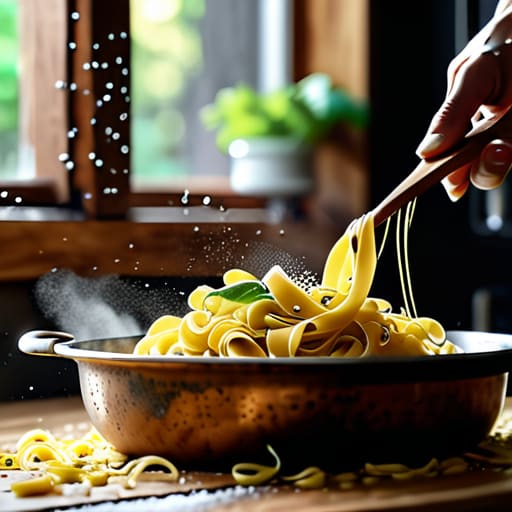
I am so tired of seeing those “aesthetic” cooking videos where people treat a simple box of noodles like a high-stakes chemistry experiment. You don’t need artisanal, hand-rolled pasta from a boutique shop in Italy or a copper pot that costs more than my entire workstation to get it right. Honestly, the internet has made learning how to cook pasta perfectly feel way more complicated than it actually is, gatekeeping a basic survival skill behind expensive tools and ridiculous “rules” that nobody actually follows.
I’m not here to sell you on a lifestyle; I’m here to give you a functional system that works every single time. I’ve spent enough time troubleshooting broken code and finicky vintage synths to know that when you strip away the fluff, it’s all about the variables you can actually control. In this guide, I’m breaking down the no-nonsense mechanics of boiling, salting, and timing so you can stop hovering over the stove and actually start enjoying your meal. Let’s get into the actual logic of a perfect bowl.
The Truth About Boiling Water Salt Levels
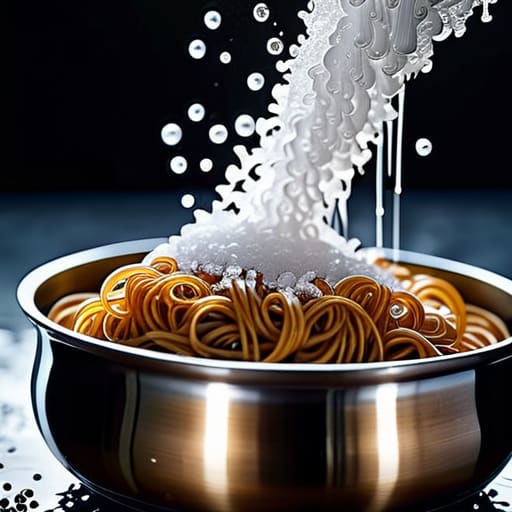
Look, I’m going to be real with you: most people treat salt like an afterthought, just a little sprinkle at the end. That is a massive mistake. If you aren’t paying attention to your boiling water salt levels, you’re essentially boiling your noodles in plain, flavorless water, and no amount of heavy sauce can fix that fundamental lack of seasoning. I want the pasta to taste good from the inside out, not just because it’s coated in something salty.
Think of the salt as a way to season the starch itself as it hydrates. When you get the ratio right, you aren’t just flavoring the meal; you’re actually helping with pasta sauce emulsification later on. That starchy, salty liquid is liquid gold. Instead of dumping it all down the drain like most people do, save a mug of it. When you toss your noodles with your sauce, that salty water acts as the “glue” that binds everything together, turning a dry, clumpy mess into something that actually tastes like it came from a kitchen that knows what it’s doing. It’s a simple system, but it’s the difference between a mediocre dinner and something actually worth eating.
Choosing the Right Types of Pasta Shapes
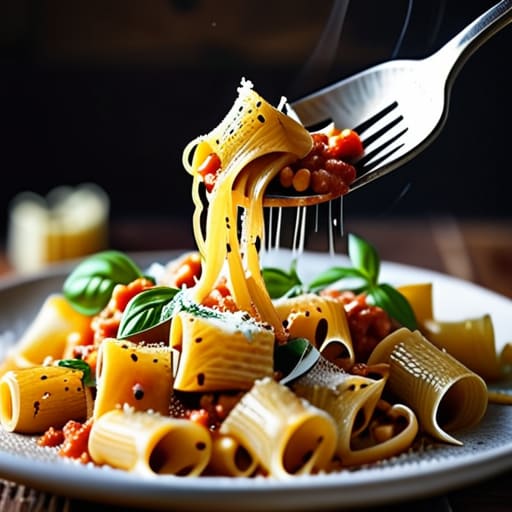
Look, I know it feels like there are a thousand different shapes in the pasta aisle, and most of them look exactly the same when they’re dry. But if you want to stop eating mediocre meals, you have to stop treating pasta as a one-size-fits-all situation. The shape isn’t just for aesthetics; it’s actually a piece of engineering designed to hold onto your sauce. If you’re using a heavy, chunky meat sauce, you need something robust like rigatoni or penne that can actually trap the ingredients inside. If you’re doing a light, oil-based sauce, a thin spaghetti or linguine is your best friend.
The real secret to achieving al dente texture across different varieties is understanding how much surface area you’re working with. Thinner shapes cook in a blink, while those dense, extruded shapes need more time to reach that perfect bite. If you pair a delicate angel hair with a heavy bolognese, you’re basically asking for a disaster. Instead, think about the mechanics of the meal: match the weight of the sauce to the structural integrity of the noodle. It’s all about creating a system where the sauce and the pasta actually work together instead of just sliding off onto the bottom of your bowl.
Five Ways to Stop Ruining Your Dinner
- Stop draining the whole pot into the sink like you’re disposing of toxic waste. Save a mug of that starchy, cloudy pasta water before you pour the rest out; it’s liquid gold for making your sauce actually stick to the noodles instead of sliding off like a wet noodle.
- Ditch the timer the second you start. Every brand and even every single box is slightly different, so start tasting your pasta two minutes before the package says it’ll be done. You want “al dente”—that slight bite in the middle—not mushy, overcooked sadness.
- Don’t even think about adding oil to your boiling water. It’s a total myth that stops the sauce from clinging to the pasta, and it just makes your noodles a slippery, greasy mess. Just use enough water so they aren’t fighting for space.
- If you’re using a jarred sauce or a quick pan sauce, finish the pasta in the sauce. Throw the noodles directly into the pan with the sauce and a splash of that reserved pasta water. Let them marry for sixty seconds so the flavor actually penetrates the starch.
- Treat your stovetop like a workspace, not a showroom. Keep a small bowl of ice or just a cold rinse station nearby if you’re making a pasta salad, but for hot dishes, the rule is: heat it, sauce it, and eat it immediately. Pasta waits for no one.
Stop Overthinking and Just Start Cooking
At the end of the day, cooking great pasta isn’t about mastering some complex culinary science or owning a set of designer kitchen gadgets. It’s just about the fundamentals: use a big enough pot so the noodles have room to breathe, don’t be stingy with the salt, and pick a shape that actually holds onto your sauce instead of letting it slide off to the bottom of the bowl. Once you stop obsessing over the “perfect” timing and start paying attention to how the pasta actually feels in your mouth, you’ve already won half the battle. It’s all about building a reliable system that works for your kitchen, not following a rigid rulebook that leaves you stressed out.
I know it sounds small, but there is something incredibly empowering about mastering these little domestic systems. When you know exactly how to handle a simple box of dried noodles, you realize that most “difficult” tasks are just a series of manageable steps. Don’t let the fear of a mushy texture or a bland sauce keep you from experimenting. My advice? Trust your senses, keep your tools ready, and remember that the goal isn’t a Michelin-star meal—it’s a meal that actually tastes good and leaves you feeling capable. Now, go boil some water and make something delicious.
Frequently Asked Questions
Do I actually need to rinse the pasta under cold water after draining it?
Short answer: No. In fact, unless you’re making a cold pasta salad, please don’t do it. Rinsing washes away that starchy coating that actually helps your sauce cling to the noodles. You’ll end up with slippery, bland pasta that refuses to cooperate with your sauce. If you’re worried about it being too sticky, just toss it with your sauce immediately while it’s still hot. Keep the starch; it’s your best friend here.
Is it a huge mistake to add oil to the boiling water to keep it from sticking?
Honestly? Yes, it’s a mistake. I get why it seems like a good hack, but adding oil is just creating a slippery film on the pasta that prevents the sauce from actually sticking. You end up with bland, lonely noodles swimming in a puddle of grease. If you’re worried about sticking, just use a bigger pot and more water. Stir it a few times in the first two minutes, and you’re golden.
How do I know if my pasta is actually al dente or if I just overcooked it?
Look, don’t just trust the timer on your stove; it’s a liar. To actually check for al dente, you need to bite into a piece. You’re looking for a slight, firm resistance in the center—not a mushy, uniform texture. If you see a tiny, pale dot in the middle of the pasta when you bite it, that’s your sweet spot. If it feels like soft dough, you’ve gone too far. Grab a fork and test early.
Should I save some of that starchy pasta water, or is that just an internet myth?
It’s definitely not a myth—it’s basically liquid gold. Think of it as the “secret sauce” for your emulsion. When you toss your pasta with the sauce, that starchy water acts like a binding agent, helping the sauce actually cling to the noodles instead of just pooling at the bottom of the bowl. Just scoop out a mugful before you drain everything. It’s a tiny bit of extra effort for a massive upgrade in texture.