I used to think that if I wanted to master how to freeze food, I needed to drop two hundred bucks on a professional-grade vacuum sealer and a stack of specialized, branded airtight containers. Honestly? That’s just expensive gatekeeping for something that should be simple. I spent way too much time in my early twenties watching “aesthetic” meal prep videos where everything looked like a curated museum exhibit, only to realize that most of those fancy setups are just extra clutter in a kitchen that already feels too small.
I’m not here to sell you on a lifestyle overhaul or a collection of matching glass jars that you’ll eventually break. Instead, I’m going to show you a functional system that actually works with the tools you already have in your junk drawer. We’re going to talk about real-world methods for preserving what you have so you can stop wasting money and start eating better. This is about building a reliable workflow for your kitchen, stripping away the nonsense, and making sure your food actually stays good until you’re ready to eat it.
Choosing Freezer Storage Containers That Actually Work
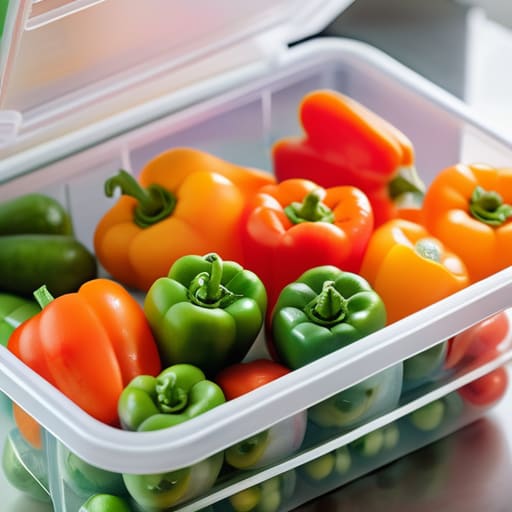
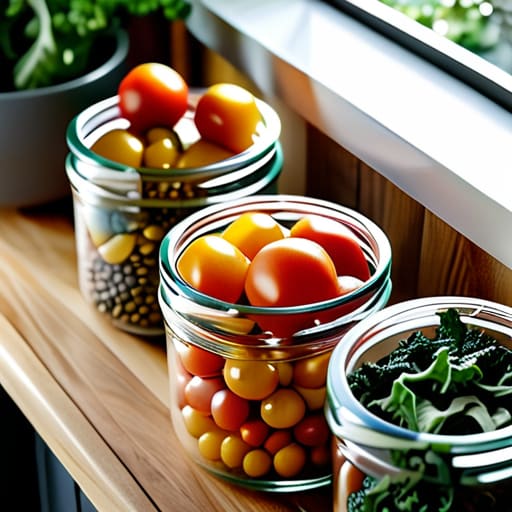
Look, you don’t need a $500 vacuum sealer to keep your groceries from turning into ice blocks, but you do need to stop using those flimsy, single-use sandwich bags that crack the second they hit sub-zero temperatures. If you’re serious about preventing freezer burn, the goal is to minimize the air touching your food. I’m a huge fan of heavy-duty, BPA-free silicone bags because they’re reusable and actually create a decent seal. If you prefer glass, go for tempered containers; they’re great for seeing exactly what you have without digging through a mountain of frost, but just remember they aren’t invincible to temperature shocks.
For things like soups or stews, skip the rigid tubs that take up massive amounts of real estate. Instead, use freezer-safe pouches or even silicone molds that you can pop out once they’re solid. This is one of those best practices for food storage that saves me so much mental energy—I can stack them like Tetris pieces instead of playing “find the frozen lasagna” every Tuesday. Whatever you choose, just make sure it’s airtight. If air can get in, your food’s texture is going to pay the price.
The Real Shelf Life of Frozen Foods Explained
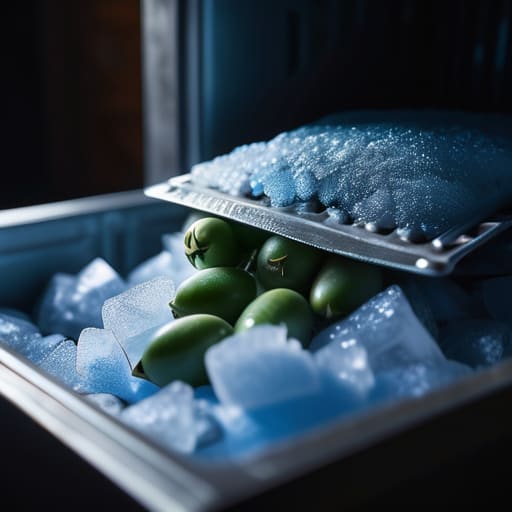
Here’s the reality: just because something is in the freezer doesn’t mean it’s immortal. I used to think a bag of frozen peas could sit in the back of my chest freezer for a year and still taste fine, but I was wrong. While most items stay safe to eat indefinitely from a purely biological standpoint, the quality takes a massive hit. Once you pass the three-month mark, you’re basically playing a game of roulette with texture and flavor.
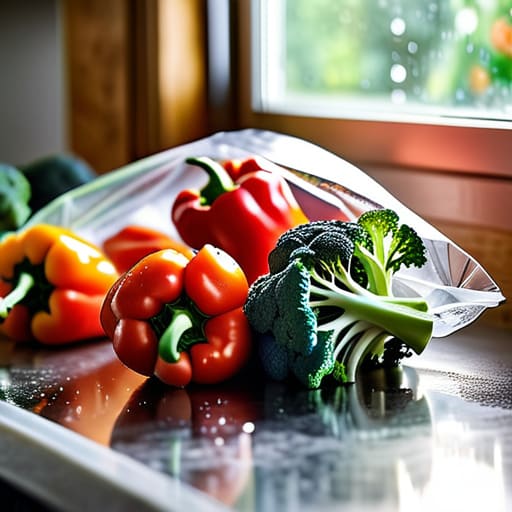
If you want to maximize the shelf life of frozen foods, you have to be aggressive about air. Air is the enemy. It’s what leads to that weird, icy, cardboard-like texture we all hate. If you aren’t using a vacuum sealer, at least make sure your bags are squeezed tight before you zip them up. I’ve found that preventing freezer burn is 90% about how much empty space is left in the container.
For things like berries or leafy greens, the window is even shorter. I usually aim to use my frozen produce within two to three months to keep that “fresh” snap. If you’re freezing vegetables and fruits for smoothies, you can push it a bit longer, but once you see those jagged ice crystals forming on the surface, it’s time to stop hoarding and start eating.
My Low-Maintenance Rules for Freezing Without the Stress
- Flash freeze your small stuff first. If you toss a whole pile of berries or loose meatballs into a bag at once, you’ll end up with a giant, unusable ice brick. Spread them out on a baking sheet for an hour before bagging them so you can grab exactly what you need without a defrosting nightmare.
- Ditch the fancy vacuum sealer if it’s too much work. A heavy-duty freezer bag works just fine—just use a straw to suck out the excess air before you zip it shut. It’s a quick hack that keeps freezer burn at bay without the expensive hardware.
- Label everything with a Sharpie and a date. I know, I know, it feels extra, but “mystery meat” is a real thing in my freezer. Write what it is and when it went in; your future self will thank you when you aren’t staring at a frozen block wondering if it’s beef or lamb.
- Leave some breathing room. Liquids expand when they freeze, and nothing ruins a mood like a Tupperware container exploding and coating your freezer in sauce. Always leave about an inch of headspace at the top of your containers.
- Portion control is your best friend. Don’t freeze a massive gallon of soup if you only ever eat two bowls at a time. Freeze it in single-serving or family-sized increments so you aren’t thawing out a mountain of food just to satisfy one craving.
Stop Overthinking It and Just Start
At the end of the day, freezing food isn’t about having a perfectly labeled, color-coded freezer that looks like a Pinterest board. It’s about the logistics: picking containers that won’t crack, understanding that a “best by” date is just a suggestion, and actually using what you store before it turns into a block of ice. If you’ve got decent bags, a little bit of air squeezed out, and a rough idea of what’s in there, you’re already ahead of 90% of people. You don’t need a massive investment in high-tech gear to build a system that works for your actual life.
I know it feels like just one more thing to manage on an already chaotic to-do list, but I promise that having a stash of “emergency” meals makes a massive difference when your brain is fried after a long day. Don’t wait for a perfect Sunday afternoon to overhaul your entire kitchen; just grab one extra portion of whatever you’re making tonight and toss it in a bag. Once you start seeing your freezer as a functional tool rather than a black hole of mystery leftovers, you’ll realize how much mental space you’ve actually reclaimed. You’ve got this.
Frequently Asked Questions
Do I really need to blanch vegetables first, or can I just toss them in straight from the garden?
Look, I get the temptation to just toss them in and call it a day—especially when you’ve got a mountain of garden produce staring you down. But honestly? If you skip blanching, you’re basically setting yourself up for a freezer full of mushy, grey, flavorless sadness. Blanching stops those enzymes from wrecking the texture and color. It’s a tiny bit of extra work now to save your future self from eating sad, limp veggies.
Is it safe to refreeze something if it accidentally thawed out on the counter for a bit?
Look, I’ve definitely been there—you pull something out, get distracted by a system update, and suddenly it’s sitting in a puddle. Here’s the deal: if it’s just starting to soften but still feels icy or cold to the touch, you’re probably fine to pop it back in. But if it’s reached room temperature or feels “mushy,” just toss it. It’s not worth the risk of food poisoning just to save a few bucks.
How do I stop my freezer from smelling like a mix of old frozen peas and raw chicken?
First, stop looking for a fancy deodorizer; you need to find the source. That “mystery smell” is usually a leak from a poorly sealed bag or a spill you missed behind a tray. Empty the freezer, wipe everything down with a mix of warm water and baking soda (skip the heavy chemicals), and check your seals for cracks. Once it’s clean, toss an open box of baking soda in there to soak up the leftover funk.
Can I freeze things like eggs or dairy, or am I just asking for a texture nightmare?
Look, if you try to freeze a whole egg in its shell, you’re basically making a tiny, delicious grenade. The shell will crack, and it’s a mess. Dairy is even trickier—frozen milk or cream usually separates into a weird, grainy sludge that’s useless for lattes. If you want to freeze eggs, crack them into a container first. But honestly? Skip the cheese and butter; they’re just not worth the texture nightmare.