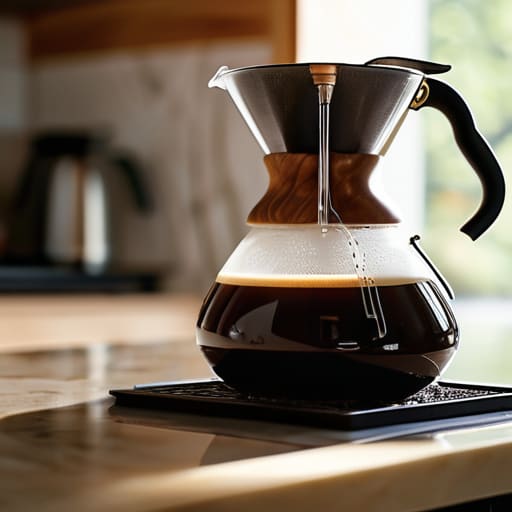
If you’ve ever scrolled through a “coffee aesthetic” video and felt like you needed a $500 espresso machine and a degree in chemistry just to get through a Monday, please stop. Honestly, the gatekeeping in the specialty coffee world is exhausting. You don’t need a laboratory-grade scale or a ritual that takes forty minutes to master just to learn how to make coffee at home that doesn’t taste like burnt battery acid. I spent way too many years thinking I was “bad at coffee” simply because I didn’t have the right overpriced gear, when in reality, I just needed a system that actually functioned without the pretension.
I’m not here to sell you on a lifestyle or a specific brand of artisanal beans that cost more than my monthly internet bill. Instead, I’m going to show you how to build a reliable, low-maintenance setup using tools you probably already own or can grab for cheap. We’re going to focus on the fundamental variables—the stuff that actually changes the flavor—so you can stop guessing and start drinking something decent. Let’s strip away the hype and get your morning routine working for you, not against you.
A No Nonsense Coffee Brewing Equipment Guide
Look, you don’t need a $2,000 espresso machine that takes up half your counter space and requires a PhD to operate. Most of those “aesthetic” setups are just clutter in disguise. If you want to actually start improving your coffee flavor profile without the headache, you really only need three things: a decent grinder, a consistent heat source, and a method that doesn’t require a degree in engineering. I always tell people to prioritize the beans first; if you aren’t using freshly ground coffee beans, you’re basically just drinking expensive, flavored water.
If you’re looking for the path of least resistance, I’d suggest starting with a French press or a simple pour-over. The French press is my go-to when I’m feeling lazy because it’s almost impossible to mess up, provided you follow a few basic french press brewing tips regarding steep time. If you want something cleaner and more intentional, the pour-over coffee technique is where the magic happens, but it does require a little more patience. Just remember: whatever tool you pick, make sure it’s something you’ll actually use every morning, not something that sits on your shelf gathering dust because it’s too high-maintenance.
Why Freshly Ground Coffee Beans Change Everything
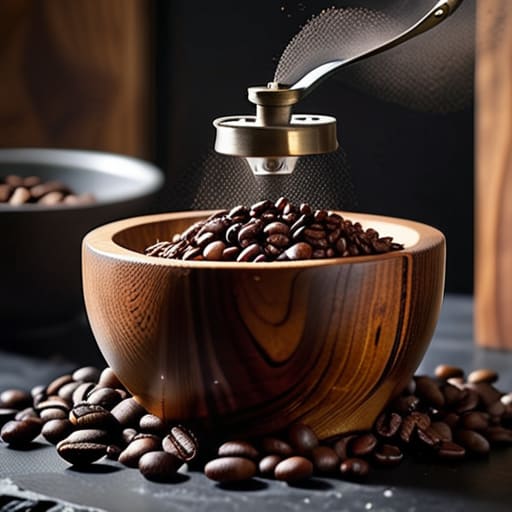
Look, I get it. Convenience is king. When you’re juggling freelance deadlines and a chaotic schedule, grabbing a pre-ground bag from the grocery store feels like the path of least resistance. But if you’re serious about improving coffee flavor profile without spending a fortune, you have to stop treating coffee like a commodity and start treating it like a perishable ingredient. The second those beans are cracked open, they start losing their soul to oxidation. By the time that pre-ground stuff hits your mug, most of the volatile oils—the stuff that actually makes your morning feel like a ritual rather than a chore—have already evaporated.
If you want to actually taste the notes you paid for, you need to invest in freshly ground coffee beans and a decent burr grinder. It’s not just about being “extra”; it’s about physics. Grinding right before you brew ensures you’re getting a consistent particle size, which is the secret sauce for any of the best coffee brewing methods out there. Whether you’re leaning into a slow pour over or a rugged French press, the difference in clarity and brightness is night and day. It’s the single biggest upgrade you can make to your system, and honestly, it’s the easiest way to stop settling for “fine” and start drinking something actually good.
Five Low-Stakes Tweaks for a Better Morning Brew
- Stop using boiling water straight off the kettle. If you pour 212°F water directly onto your grounds, you’re basically scalding them, which leads to that bitter, burnt taste. Let the kettle sit for about thirty to sixty seconds after it clicks off; aiming for around 195°F to 205°F is the sweet spot for pulling out the actual flavor.
- Get a digital scale. I know, I know—it feels like extra work, but measuring by “scoops” is just guesswork, and your coffee will taste different every single time. Even a cheap $10 kitchen scale will help you nail your coffee-to-water ratio so you actually have a consistent system.
- Clean your gear like you clean your keyboard. Old coffee oils build up in your carafe or French press and eventually start tasting rancid. A quick rinse with some hot water and a bit of unscented soap after every use keeps the flavor clean and prevents your morning ritual from tasting like a dusty basement.
- Watch your water quality. If your tap water tastes like a swimming pool, your coffee is going to taste like a swimming pool. You don’t need a fancy filtration system, but using a basic Brita or even just filtered water from a pitcher makes a massive difference in how the subtle notes of the bean actually come through.
- Don’t overcomplicate your workflow. You don’t need a ten-step ritual involving timers, gooseneck kettles, and specialized thermometers to get a decent cup. Pick a method that fits your morning energy—whether that’s a quick AeroPress while you check emails or a slow pour-over on the weekend—and just stick to a repeatable routine.
Stop Overthinking It and Just Brew
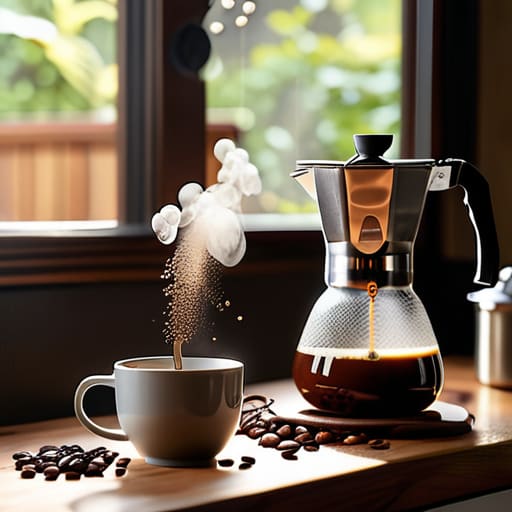
At the end of the day, making great coffee isn’t about owning a $2,000 espresso machine or having a perfectly curated “coffee nook” for your social media feed. It really just boils down to the basics we talked about: getting a decent grinder, investing in beans that haven’t been sitting in a warehouse for six months, and actually taking the time to dial in your technique. Once you stop chasing the aesthetic and start focusing on the functional variables—like water temperature and grind consistency—you’ll realize that a high-quality morning ritual is actually pretty easy to maintain. You don’t need a degree in chemistry; you just need tools that work and a bit of consistency.
My best advice? Don’t let the fear of “doing it wrong” keep you from starting. You’re going to mess up a brew here and there, and honestly, that’s part of the process. Think of it like troubleshooting a server or fixing an old synth; you learn by doing, failing, and adjusting the settings until things click. The goal isn’t perfection; it’s about building a reliable system that makes your daily life a little bit better. So, grab your gear, stop scrolling through the tutorials, and go make a damn good cup of coffee. You’ve got this.
Frequently Asked Questions
I already have a cheap drip machine; is it actually worth upgrading to something like a Pour Over or an AeroPress?
Look, if your drip machine is doing its job and you’re happy, don’t feel pressured to replace it just because a YouTuber said so. But if you’re tired of that bitter, “burnt” aftertaste, then yeah—it’s worth the upgrade. An AeroPress is basically a cheat code for consistent, delicious coffee without a massive learning curve. It’s tactile, indestructible, and actually gives you control. Stop settling for mediocre caffeine just because it’s convenient.
How much am I really going to spend on a decent grinder versus just buying pre-ground bags?
Look, I get it. The upfront cost of a decent burr grinder feels like a hit to your bank account, especially when pre-ground bags are sitting there looking all convenient. But here’s the reality: pre-ground coffee is basically dead on arrival. You’re paying for stale flavor. Invest in a solid entry-level burr grinder—nothing too fancy, just something consistent—and you’ll actually taste what you’re paying for. It pays for itself in quality alone.
Do I actually need to weigh my coffee beans with a scale, or can I just use a spoon and hope for the best?
Look, if you’re just vibing and want a caffeine kick, use the spoon. But if you’re tired of your coffee tasting like battery acid one day and watery nothing the next? Get a scale. Spoons are wildly inconsistent—one scoop might be 10 grams, the next might be 14. In my world, consistency is everything. A cheap digital scale removes the guesswork so your brew actually tastes the same every single morning.
What’s the deal with water temperature—does it really matter if I’m just using stuff from my tap?
Look, I get it—it feels like overkill to obsess over a thermometer when you’re just trying to wake up. But yeah, it actually matters. If your water is boiling, you’re basically scalding the grounds and getting that bitter, burnt taste. If it’s too lukewarm, your coffee will taste sour and thin. Aim for around 195°F to 205°F. And as for tap water? If it tastes like a swimming pool, your coffee will too. Use filtered if you can.