Can we please stop pretending that you need a $50 designer ceramic pot and a PhD in botany just to keep something green alive in your apartment? I am so tired of seeing those “aesthetic” plant hauls online that look like a curated jungle but actually require a full-time job and a prayer to maintain. If you’re looking for houseplants for beginners, you don’t need a specialized misting system or a curated collection of rare, temperamental monsteras that die the second you look at them wrong. You just need a few resilient survivors that won’t make you feel like a failure when you inevitably forget to water them for a week.
I’m not here to sell you on a lifestyle you can’t actually sustain; I’m here to give you a functional toolkit for your space. My goal is to strip away the gatekeeping and show you which plants are actually worth your time and energy. We’re going to focus on low-maintenance greenery that thrives on neglect and fits into a real, busy life. No fluff, no expensive nonsense—just honest, experience-based advice on how to build a little bit of life in your home without it becoming another overwhelming project on your to-do list.
Low Maintenance Indoor Plants for Your Chaotic Schedule
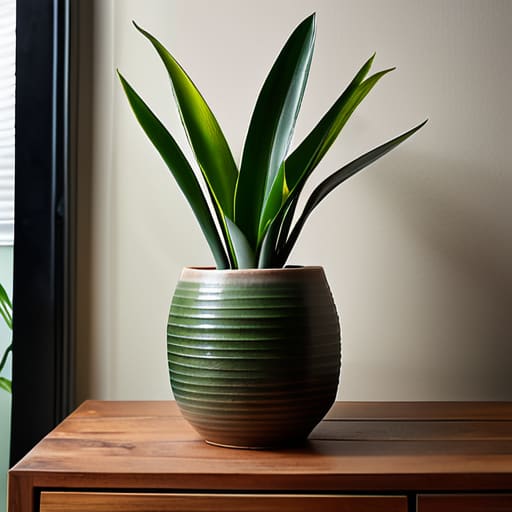
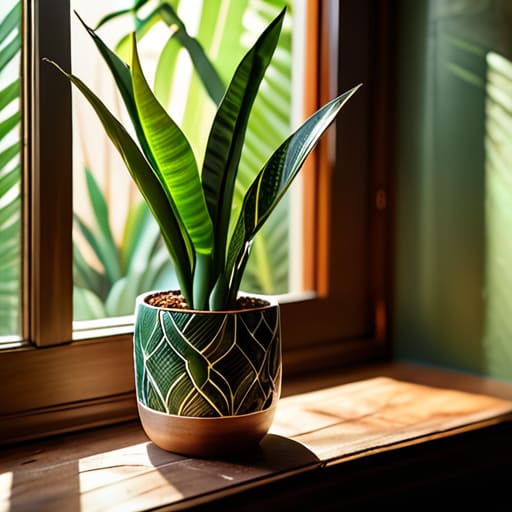
If your schedule looks less like a curated planner and more like a series of emergency fires you’re constantly putting out, you don’t need a high-maintenance fern that wilts if you look at it wrong. You need hard to kill houseplants that can handle a little neglect. My go-to recommendation is always the Snake Plant. These things are basically the tanks of the botanical world; they can survive in a dark corner of your studio and won’t die if you forget about them for a fortnight. They’re also among the best plants for low light, making them perfect if your apartment doesn’t exactly get “golden hour” vibes.
If you’re looking for something with a bit more personality but the same level of chill, try a Pothos. It’s a trailing vine that tells you exactly what it needs—the leaves will go a bit limp when it’s thirsty, which is a great visual cue if you aren’t the type to follow a strict houseplant watering guide. For those of you who want something more structural, beginner friendly succulents like Haworthia are great, though just make sure they aren’t sitting in a puddle of water. Keep it simple: pick a plant that fits your actual lifestyle, not the one you think you should be able to keep alive.
Hard to Kill Houseplants for the Honestly Busy Person
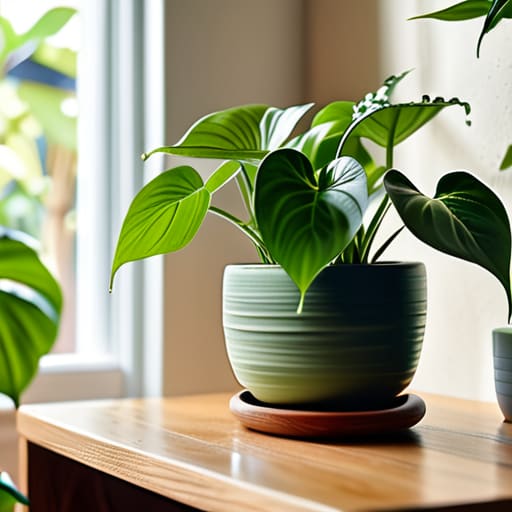
If your idea of “relaxing” is staring at a screen or tinkering with a circuit board, the last thing you need is a high-maintenance fern screaming for attention every time you forget to check its soil. For those of us who live in the real world—where deadlines happen and sometimes we just forget to exist for three days—I always point people toward hard to kill houseplants like the ZZ plant or the Pothos. These guys are basically the “plug-and-play” devices of the botanical world; they don’t need a complex setup or a specialized nutrient schedule to thrive. They just want to sit in the corner, look pretty, and not die while you’re busy actually living your life.
If you’re working in a space with minimal natural light—maybe a basement studio or a corner of your office that feels more like a cave—don’t panic. You don’t need to install expensive grow lights just to have a bit of life in your room. Look for the best plants for low light, like Sansevieria (Snake Plants). They are incredibly forgiving and can handle a lot of neglect. My best piece of advice? Stop overthinking it. Most people kill their plants with kindness (read: too much water), so just let the soil dry out before you even think about grabbing the watering can.
How Not to Murder Your New Green Roommates
- Stop treating your watering can like a weapon. Most beginners kill plants with kindness (and too much water), so wait until the top inch of soil actually feels dry before you even think about pouring.
- Light is basically plant food, but it’s not one-size-fits-all. Before you commit to a cool-looking fern, check if your apartment actually gets decent sun or if you’re stuck in a permanent twilight zone.
- Don’t go overboard with the fancy fertilizers right away. Your plants are still adjusting to their new home; let them settle in for a few weeks before you start dumping nutrients into their soil.
- Get yourself one decent, honest tool—a simple moisture meter is a game changer if you struggle to tell if the soil is actually wet or just damp. It takes the guesswork out of the equation.
- Accept that you might lose one. Even people with a B.S. in IT can’t debug a dying root system every single time. If a leaf turns yellow, don’t panic; just troubleshoot and move on.
The Bottom Line
Look, we’ve covered a lot of ground, from the indestructible snake plants to the low-maintenance greenery that won’t die the second you look away. The main takeaway here isn’t that you need a green thumb or a dedicated sunroom; it’s about choosing plants that actually fit into your existing workflow. If you’re someone who forgets to water things for a week, don’t go buying a high-maintenance fern just because it looks cool on a desk. Stick to the heavy hitters we talked about—the ones that thrive on a bit of neglect—and you’ll find that building a little indoor jungle is way more about systematizing your care than it is about innate talent.
At the end of the day, your home should be a place that serves you, not a list of chores that makes you feel guilty. If a leaf turns yellow or a stem wilts, don’t treat it like a personal failure or a broken piece of hardware; it’s just part of the process of learning what works in your specific space. Stop chasing that flawless aesthetic you see on social media and just focus on making your environment a little bit more alive. Grab a pot, get some soil, and just start. You’ve got this.
Frequently Asked Questions
I keep killing everything I touch; am I overwatering or is it something else?
Honestly, it’s probably overwatering. Most people treat plants like they need a constant hydration IV, but roots need to breathe. If the soil is always soggy, they’re basically drowning in slow motion. Before you dump more water in, stick your finger two inches deep into the dirt; if it feels damp, back off. Also, check your drainage—if your pot doesn’t have holes, you’re basically creating a tiny, stagnant swamp.
Do I actually need to buy fancy grow lights, or can I just rely on my window?
Look, unless you’re living in a literal basement, don’t go dropping a hundred bucks on fancy grow lights just yet. Start with your windows. If you’ve got decent natural light, your plants will be fine. I always say: test the system before you upgrade the hardware. If your plants start looking leggy or sad after a month, then—and only then—should you consider adding a light to the setup.
How much do these plants actually cost to keep alive once I get them home?
Honestly? If you’re picking the low-maintenance ones we talked about, the “maintenance tax” is basically zero. You aren’t buying expensive fertilizers or specialized UV lamps. Your main overhead is just a decent watering can and maybe a bag of potting soil once a year. Think of it as a tiny subscription to some greenery that pays for itself in vibes. Just don’t go overboard on the fancy ceramic pots—the plastic ones work just fine.
What's the easiest way to tell if my plant is actually happy or just pretending?
Look, plants aren’t great at communicating, but they do leave breadcrumbs. If you’re wondering if your greenery is actually vibing or just surviving on spite, check the leaves. If they’re firm, upright, and have a healthy sheen, you’re winning. If they’re drooping, turning yellow, or feeling limp like a wet noodle, they’re sending a distress signal. It’s basically the botanical version of a low-battery notification—pay attention before it hits zero.