I was elbow-deep in a box of old cables and dusty cassette tapes last weekend, staring at a broken, half-melted Walkman that my dad used to carry everywhere. It’s a total piece of junk, but the thought of tossing it felt like I was throwing away a piece of him. We’ve all been there—standing in the middle of a room that feels more like a museum of “what used to be” than a living space, paralyzed by the guilt of decluttering sentimental items. Most “organization gurus” will tell you to buy a set of expensive, aesthetic linen bins to hide your memories in, but let’s be real: a pretty box doesn’t solve the emotional paralysis of holding onto things that no longer serve your life.
I’m not here to give you a Pinterest-perfect roadmap or tell you how to curate a “minimalist lifestyle” for the aesthetic. Instead, I’m going to show you how to build a system that actually works for your brain. I’ll share the practical, slightly messy methods I use to separate the things that actually hold value from the stuff that’s just clogging up your mental bandwidth. We’re going to tackle this with logic, a little bit of grit, and zero gatekeeping.
Breaking the Emotional Attachment to Belongings
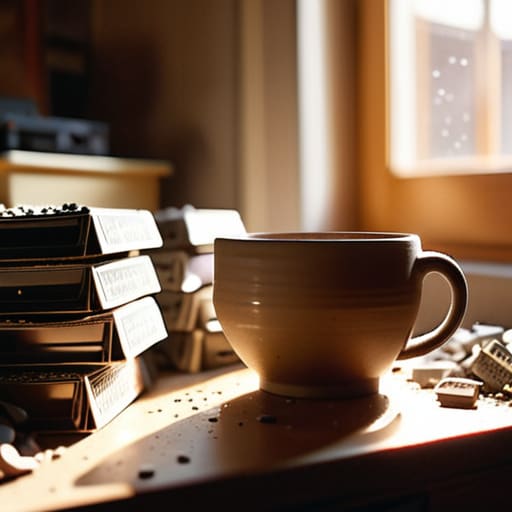
Let’s be real: we don’t actually want the chipped ceramic mug from our third-grade teacher or that stack of dusty, unreadable VHS tapes. What we’re actually clinging to is the feeling those objects represent. It’s a heavy psychological weight, and that emotional attachment to belongings can make your living space feel more like a museum of things you can’t touch than a functional home. When we confuse “keeping a memory alive” with “storing physical junk,” we end up suffocating our present reality just to honor a past that’s already moved on.
To get past this, you have to decouple the object from the memory. I used to think that if I tossed my dad’s old, broken radio, I was somehow tossing a piece of him. I wasn’t. I was just clearing space for a system that actually works. Instead of letting things pile up, look into better memory preservation techniques like high-quality scanning. If you learn how to digitize old photos or even just take a quick, clear picture of a bulky heirloom, you keep the essence of the item without the physical footprint. You aren’t deleting the history; you’re just upgrading the storage format so it doesn’t clog up your life.
Minimalism and Nostalgia Finding a Functional Balance
Here’s the thing: minimalism isn’t about living in a white box with a single succulent; it’s about making sure your stuff doesn’t own you. When we talk about minimalism and nostalgia, it’s easy to fall into the trap of thinking you have to choose between your memories and your floor space. You don’t. The goal is to stop letting physical mass dictate your ability to move through your home. I’ve learned that if an object is taking up prime real estate in my living room but only serves to remind me of a version of myself that doesn’t exist anymore, it’s actually hindering my growth rather than celebrating it.
To find that sweet spot, you need to pivot from hoarding objects to curating experiences. This is where practical memory preservation techniques come into play. Instead of keeping every dusty trophy or moth-eaten sweater, try a “one-in, one-out” rule for your keepsakes, or better yet, look into how to digitize old photos and documents. Moving those memories to a high-quality cloud drive or a sleek external SSD keeps the sentiment intact without the physical clutter. You’re essentially upgrading your storage from a crowded shelf to a reliable system, which is a win for both your heart and your sanity.
5 Ways to Clear the Clutter Without Losing the Memories
- The “Digital Archive” Hack: If you’re holding onto a bulky, dusty trophy or an old high school yearbook just for the memory, take a high-res photo of it. I do this with vintage synth parts all the time—keep the digital memory in a dedicated folder and let the physical object go so it stops taking up precious shelf space.
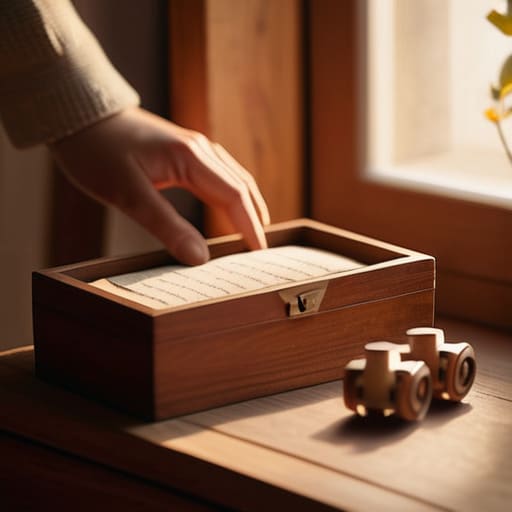
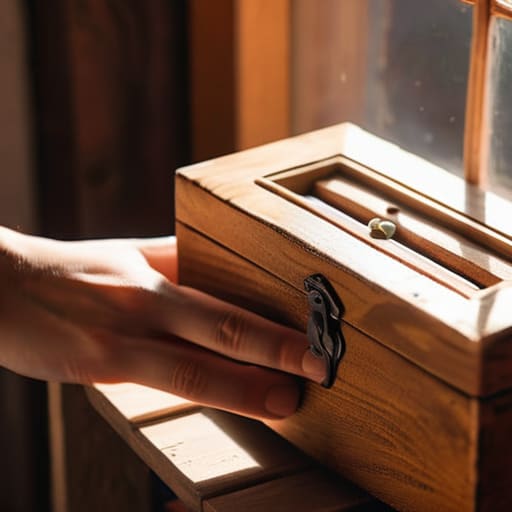
- Curate a “Memory Box” with a Hard Limit: Give yourself one specific container—a nice wooden box or a sturdy bin—and that is your limit. Once it’s full, you can’t add anything new without taking something old out. It forces you to actually prioritize the stuff that hits hardest emotionally rather than just hoarding everything from 2014.
- The “Functionality Test”: Ask yourself, “Does this object actually serve a purpose in my life today, or is it just a ghost of who I used to be?” If it’s a sentimental sweater that’s lost its shape and doesn’t even fit, it’s not a keepsake anymore; it’s just fabric taking up space in your drawer.
- Repurpose Instead of Retiring: If you have sentimental items that are cluttering your living space, see if they can be integrated into something functional. That old silk scarf from your grandmother? Frame it or use it as a decorative element in a way that doesn’t require a dedicated “clutter corner.”
- The 24-Hour Cooling Period: When you find something that triggers a massive wave of nostalgia, don’t immediately toss it, but don’t let it stay in your “keep” pile either. Put it in a designated “decision bin” for 24 hours. If you don’t feel a desperate need to hold onto it by the next day, you’re probably ready to let it go.
The Final System Check
Look, I know it feels like you’re betraying your past every time you decide a dusty, broken heirloom doesn’t need to take up prime real estate in your living room. But we’ve covered it: you can separate the actual memory from the physical object. Whether you’re digitizing old photos, choosing one “hero” item to display, or just realizing that a box of college notebooks isn’t actually a personality trait, the goal is the same. We aren’t erasing your history; we are just optimizing your current environment so you aren’t constantly tripping over things that don’t serve your present self.
At the end of the day, your home should be a launchpad for your life, not a museum for things you’re too afraid to let go of. Don’t get paralyzed by the “what ifs” or the guilt of letting go. A functional life requires intentional space, and sometimes that means making room for new experiences by clearing out the old ones. Grab your box, trust your gut, and remember that you are much more than the sum of your stuff. You’ve got this.
Frequently Asked Questions
How do I decide which items are actually meaningful versus just things I feel guilty about getting rid of?
Here’s the trick: ask yourself if the item actually sparks a memory, or if you’re just holding onto it because you feel like a “bad person” for letting it go. If you have to dig through a mental filing cabinet just to remember why you kept it, it’s guilt, not sentiment. Real meaning is instant. If it doesn’t trigger a genuine “oh, wow” moment, it’s just clutter masquerading as a keepsake.
Is there a way to keep the memory of an object without actually having to store the physical clutter in my house?
Honestly, this is my favorite way to hack the system. You don’t need the physical clutter to keep the memory alive; you just need a digital backup. Grab your phone, take a high-res photo (or a quick video if there’s a story attached), and toss the item. I even keep a “memory folder” on my drive for things like old synth parts or vintage tech. It preserves the sentiment without hogging your actual square footage.
What do I do if my family members or roommates get upset when I start purging things they consider sentimental?
Look, this is where things get messy. You can’t unilaterally “optimize” someone else’s space without it turning into a fight. If you’re purging shared areas, sit them down first. Don’t frame it as “getting rid of junk”; frame it as “reclaiming functional space.” Offer them a “quarantine box”—a designated bin for their stuff to live in temporarily. If it’s still bothering them in a month, they can decide its fate. Respect their boundaries, but keep the system moving.
How do I handle the "decision fatigue" that hits when I'm halfway through a box and everything feels too heavy to sort?
Honestly, that “wall” is real. When your brain starts feeling like a browser with fifty tabs open, just stop. You can’t force a system to work when the operator is fried. Set a timer for twenty minutes, step away from the box, and go grab some water or fix something small. Don’t try to power through it; that’s how you end up making bad decisions and keeping junk you actually hate.