I spent three hours last weekend deep in the guts of a vintage Moog synthesizer, surrounded by dust and solder fumes, when it hit me: I was feeling absolutely clogged. My head was heavy, my eyes were stinging, and I realized my tiny apartment had become a literal petri dish of stagnant air and cleaning chemical residue. Everyone on TikTok acts like the only way to fix this is by dropping $500 on a sleek, minimalist air purifier that looks more like a piece of modern art than a functional tool. But honestly? If you’re looking for a magic pill to solve your respiratory issues, you’re being sold a lie. Learning how to improve indoor air quality shouldn’t require a massive budget or a degree in atmospheric science; it just requires a few smart, functional adjustments to your existing environment.
I’m not here to sell you on “aesthetic” wellness trends that do nothing but clutter your shelves. Instead, I want to walk you through the actual systems that work—from DIY ventilation hacks to choosing the right filters that won’t break your bank. We’re going to strip away the marketing fluff and focus on practical, low-maintenance solutions that actually make your space feel breathable. Let’s get to work.
Identifying the Common Indoor Air Pollutants Hiding in Plain Sight
Before we start swapping out your cleaning supplies or buying gear, we need to figure out what we’re actually fighting. Most of the time, the stuff making your lungs feel heavy isn’t some mysterious chemical cloud; it’s just the byproduct of living a normal life. I’m talking about the common indoor air pollutants that settle into your rugs and hang out in your HVAC vents, like pet dander, dust mites, and even those tiny particles from cooking. It’s easy to blame “bad air,” but usually, it’s just a buildup of stuff that shouldn’t be there in the first place.
Then there’s the invisible stuff—the things you can’t see until they start triggering your seasonal allergies in the middle of July. Volatile Organic Compounds (VOCs) are the real culprits here; they leak out of your cheap scented candles, new furniture, and even certain cleaning sprays. Also, don’t sleep on the impact of humidity on air quality. If your place feels like a swamp, you’re basically running a high-end breeding ground for mold. It’s not about being paranoid; it’s about realizing that your home is a closed system, and if you don’t manage what goes in, it’s all going to stay right there with you.
Natural Ways to Purify Air Without Overcomplicating Your Life
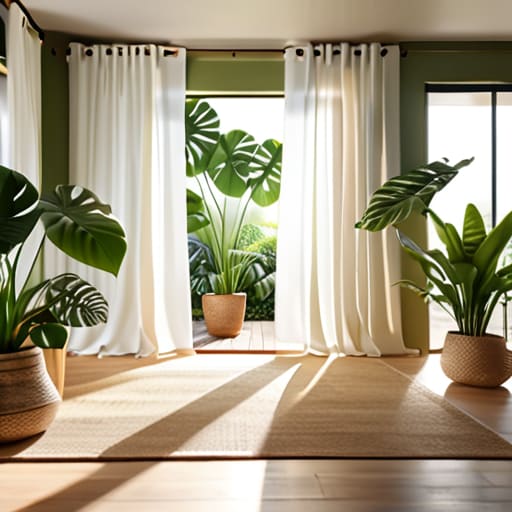
Look, I get the temptation to go down a rabbit hole of high-tech gadgets, but you don’t need a $500 smart device to start seeing a difference. One of the easiest natural ways to purify air is actually just… opening a window. I know, it sounds too simple to be true, but basic ventilation techniques for home are often more effective than any expensive “ionizing” gizmo you’ll find on a late-night infomercial. Just a quick cross-breeze for fifteen minutes a day can flush out the stale stuff and reset your environment without costing a dime.
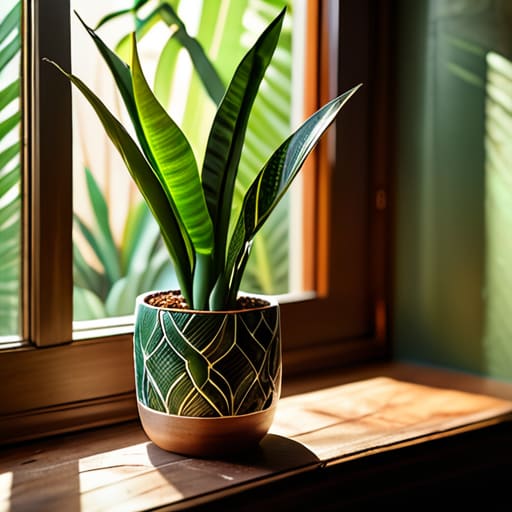
If you’re more into the “set it and forget it” vibe, plants are your best friend. While they aren’t a magic fix for a smoky room, adding some snake plants or peace lilies can help with reducing household allergens and adding a bit of life to your space. Also, keep an eye on your hygrometer; the impact of humidity on air quality is huge. If your place is too damp, you’re basically inviting mold to the party, so aim for that sweet spot between 30% and 50%. It’s all about creating a balanced system, not chasing an aesthetic.
Low-Tech Wins: 5 Systems to Actually Clean Your Air
- Stop hoarding old dust magnets. I know, it’s sentimental, but that stack of magazines and those unwashed thrifted rugs are basically hotels for allergens. Clear the clutter so your surfaces—and your lungs—can actually breathe.
- Get a real HEPA filter, not a “designer” one. Don’t fall for the aesthetic air purifiers that look like minimalist sculptures but have tiny, useless filters. Find one with a high CADR (Clean Air Delivery Rate) rating and just let it do its job in the corner.
- Master the “cross-breeze” hack. If the weather isn’t actively gross outside, crack two windows on opposite sides of your place for fifteen minutes a day. It’s the cheapest, most effective way to flush out stale air and CO2 buildup without spending a dime.
- Fix your humidity levels before they fix you. If your place feels like a swamp, you’re inviting mold to the party; if it’s bone-dry, your sinuses will revolt. Grab a cheap hygrometer—they’re like five bucks—and keep your humidity between 30% and 50%.
- Audit your cleaning supplies. A lot of those “fresh scent” sprays are just a cocktail of VOCs (volatile organic compounds) that stay in your air long after the smell fades. Switch to basic, unscented cleaners; if it smells like a chemical factory, it’s probably making your air worse.
Stop Overthinking It and Just Start
At the end of the day, you don’t need a smart-home ecosystem that costs more than your rent just to breathe a little easier. We’ve covered the basics: identify the culprits like VOCs and dust, stop relying on scented candles that are basically just tiny smoke machines, and lean into the simple stuff like actual ventilation and a solid HEPA filter. It’s not about achieving some sterile, laboratory-grade environment; it’s about making sure your living space isn’t working against your health. Focus on the high-impact moves—opening a window when the air feels heavy and keeping your tech clean—and let the rest go.
I know the “wellness” side of the internet makes this feel like a massive, expensive project, but I promise you, it’s not. Improving your air quality is just another form of systems maintenance, much like updating your OS or organizing your cables. It’s about creating a foundation that supports your life rather than draining your energy. Don’t wait for the “perfect” setup to arrive in a fancy box; just take one small step today. Whether it’s cracking a window or finally cleaning that dusty vent, you’re building a space that actually functions for you.
Frequently Asked Questions
Are those expensive, high-end air purifiers actually worth the investment, or is it all just marketing hype?
Look, I’m all for high-end gear, but most of those $800 “smart” purifiers are just overpriced plastic with a fancy app. If you’re paying for the aesthetic or the Wi-Fi connectivity, you’re getting fleeced. Unless you have severe asthma or live next to a literal highway, you don’t need a gadget that talks to your phone. Find a solid HEPA unit with a high CADR rating and call it a day. Keep it functional, not flashy.
How often do I really need to change my HVAC filters to see a noticeable difference in my air?
Look, if you’re waiting for your air to feel “heavy” before you swap that filter, you’ve already waited too long. Honestly? Aim for every 90 days as your baseline. If you have pets or a dusty DIY project going on, check it every month. I treat it like a routine system update—don’t let it pile up. A clogged filter just makes your HVAC work harder and breathes more junk into your space.
Can I actually use essential oil diffusers to clean the air, or am I just adding more particles to the mix?
Honestly? You’re mostly just adding more particles to the mix. I love a good scent as much as the next person, but diffusers don’t “clean” anything—they just disperse volatile organic compounds (VOCs) into your space. If you’re using cheap, synthetic oils, you might actually be making your air quality worse. If you want that vibe, stick to high-quality, pure oils, but don’t mistake a nice smell for actual purification.
Is it worth it to invest in a dedicated air quality monitor, or can I just rely on my own senses?
Honestly? Your senses are great for the obvious stuff—like when you walk into a room and it smells like burnt toast or a damp basement. But sensors pick up the invisible villains, like CO2 buildup or VOCs from your cleaning supplies, that your nose just won’t catch until you’ve already got a headache. If you can swing it, get a decent monitor. It turns guesswork into data, and data is way more reliable than a hunch.