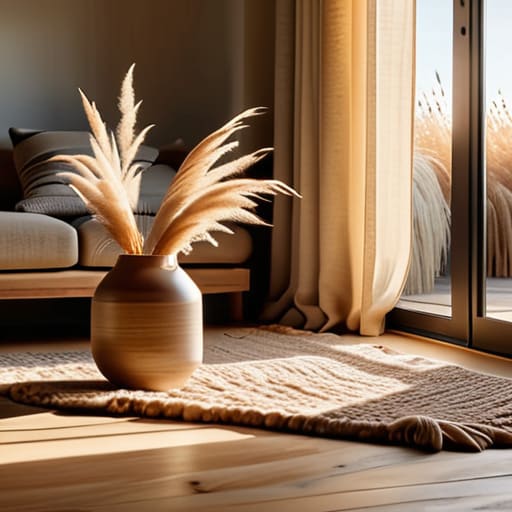
I am so sick of seeing those “minimalist” living rooms on my feed that look more like high-end art galleries than actual places where humans live. You know the ones—empty white surfaces, zero personality, and a price tag that suggests you need to spend five grand on a single marble tray just to stay “on brand.” If your version of following minimalist home tips involves throwing away every object that brings you joy just to achieve a sterile, museum-like void, then we are fundamentally not on the same page. Minimalism shouldn’t be about deprivation; it should be about making sure your space actually serves you instead of the other way around.
I’m not here to sell you on an aesthetic or a lifestyle you have to maintain with military precision. Instead, I want to give you the practical, slightly unpolished truth about how to streamline your life without losing your soul. I’m going to share the systems I use to keep my tech gear organized and my living space functional, focusing on utility over optics. We’re going to strip away the clutter that’s actually draining your energy and build a home that actually functions for your real, messy, beautiful life.
Mastering Decluttering Techniques for Beginners
Look, I get it. You see those “clean girl aesthetic” videos where people toss everything into white bins and suddenly their lives are sorted, and it feels totally overwhelming. But if you try to tackle your entire apartment in one weekend, you’re just going to end up sitting on the floor surrounded by piles of junk, feeling defeated. Instead of aiming for perfection, start with some realistic decluttering techniques for beginners that actually stick. My go-to move is the “one-in, one-out” rule. If you buy a new tech gadget or a cozy sweater, something else has to go. It’s a simple way of reducing household possessions without feeling like you’re living in a sterile hospital room.
Don’t try to organize things you don’t even need. That’s just “productive procrastination.” Before you buy a single storage container, you have to actually get rid of the stuff that’s just taking up mental bandwidth. I like to think of it as applying essentialism in home organization: if an item doesn’t serve a functional purpose or bring you genuine, non-guilt-tripping joy, it’s just noise. Focus on one drawer or one shelf at a time. It’s much easier to maintain a clutter-free space when you’ve built the habit of letting go in small, manageable bites.
Applying Essentialism in Home Organization
Once you’ve tackled the initial chaos of decluttering, you have to stop thinking about “organizing” and start thinking about curating. Most people make the mistake of buying a bunch of expensive, matching acrylic bins to house their junk, but that’s just putting a fancy lid on a broken system. Applying essentialism in home organization means you stop asking “where can I fit this?” and start asking “does this item actually serve a purpose in my daily workflow?” If you haven’t touched that specialized kitchen gadget in six months, it’s not an asset; it’s just friction.
I like to treat my living space like a well-optimized server: every piece of hardware needs a reason to be plugged in. This is where the concept of a capsule wardrobe for home life becomes a game changer. Instead of having a drawer full of random cables and half-used stationery, pick the best versions of what you actually use and let the rest go. When you focus on quality over sheer volume, you aren’t just cleaning; you’re reducing household possessions to a level that actually feels manageable. It’s not about living in a white box; it’s about making sure everything you own is actually working for you, not against you.
Systems Over Aesthetics: 5 Ways to Make Your Space Actually Work
- Stop buying “storage solutions” before you’ve actually decluttered. I see it all the time—people buying fancy acrylic bins to organize junk they don’t even need. You don’t need a new organizer; you need a smaller pile of stuff.
- Give every single thing a “home base.” If an object doesn’t have a specific, logical spot where it lives, it’s just going to end up as clutter on your kitchen counter or the entryway table. If it doesn’t have a home, it’s probably just noise.
- Adopt the “One In, One Out” rule for your tech and hobby gear. Since I’m constantly tinkering with old synths, I’ve had to learn this the hard way. If a new piece of hardware comes in, an old cable, power brick, or redundant gadget has to go. No exceptions.
- Prioritize functional surfaces. Your dining table and your desk shouldn’t be catch-all zones for mail and random chargers. If a surface isn’t clear, your brain won’t feel clear. Keep the “landing zones” empty so you can actually focus when you sit down.
- Audit your digital clutter just as much as your physical stuff. A minimalist home includes your digital ecosystem. Clear out those 4,000 unorganized screenshots and unused apps; if your digital life is a mess, your physical space will never feel truly calm.
Making It Stick
At the end of the day, minimalism isn’t about living in a sterile white box or owning exactly thirty items like some influencer told you to do. It’s about the practical application of what we’ve talked about: using decluttering to stop the physical overflow, and applying essentialism so that every single thing in your space actually serves a purpose or brings you genuine utility. We’ve covered how to strip away the excess and how to organize with intention, but the real work happens in the maintenance. You don’t need a complex system; you just need to stop letting the junk win and start making decisions based on what actually works for your daily flow.
If you’re feeling overwhelmed, just remember that your home is a system, not a museum. Systems require occasional troubleshooting and updates, just like a piece of legacy software. Don’t stress if your space isn’t “Pinterest-perfect” by next Tuesday; just focus on making it functional for you. When your tools are where they belong and your surfaces aren’t buried under a mountain of “maybe someday” clutter, you’ll finally have the mental bandwidth to actually enjoy your life. Build a space that supports your existence rather than one that demands constant upkeep. You’ve got this.
Frequently Asked Questions
How do I decide what to keep when everything I own actually serves a purpose?
That’s the trap, right? We tell ourselves, “But I might need this one day,” or “It’s functional, so it stays.” But here’s the truth: if a tool is so buried under junk that you can’t find it when you actually need it, it’s not serving you—it’s just taking up mental bandwidth. I use the “friction test.” If an item creates more chaos to store than the value it provides when used, it’s gotta go.
Is it possible to maintain a minimalist space if I live in a small apartment with zero storage?
Honestly? It’s actually easier. When you have zero storage, you’re forced to stop hoarding “just in case” items. In a tiny footprint, every single object has to earn its keep. If it doesn’t serve a daily function or bring you genuine joy, it’s just taking up precious air. Think of your space like a well-optimized server: if you don’t need the data, delete it. Efficiency is your new best friend.
How do I stop the "re-cluttering" cycle once I've actually finished cleaning everything out?
The secret isn’t a better storage bin; it’s about fixing your “entry systems.” Re-cluttering happens because you’re treating the symptoms instead of the cause. Every item needs a permanent home—a specific “parking spot”—the second it enters your house. If it doesn’t have a designated spot, it becomes instant clutter. Stop asking where to put things and start deciding where they live. If a spot doesn’t exist, you probably don’t need the item.
What’s the best way to handle sentimental items that don't really fit the "functional" rule?
Look, I get it. It’s easy to toss a broken toaster, but how do you toss your grandmother’s old ceramic bird? You don’t. If it doesn’t serve a function, give it a “memory slot.” Instead of letting sentimental clutter take over your desk, pick one high-quality display area—like a single dedicated shelf—for your most meaningful pieces. Digitizing photos or keeping a small “memory box” also works. Honor the feeling without letting the stuff hijack your space.