I spent my entire childhood watching my dad take apart old appliances just to see how they breathed, so I have a very low tolerance for “aesthetic” fluff that doesn’t actually serve a purpose. Whenever I scroll through social media, I see these massive, expensive renovation projects being pitched as the only way to fix a temporary living situation, and honestly? It’s exhausting. You don’t need to spend three months’ rent on custom shelving or high-end lighting just to figure out how to make a rental feel like home. Most of that advice is just gatekeeping disguised as interior design, and it ignores the reality of living in a space you don’t actually own.
I’m not here to sell you on a Pinterest-perfect dream that falls apart the moment your lease is up. Instead, I want to show you how to use systematic, low-impact changes to make your space actually function for your lifestyle. We’re going to focus on the small, tactical wins—the stuff that improves your daily flow without costing a fortune or risking your security deposit. Consider this your no-nonsense guide to building a space that feels permanent, even if your address isn’t.
Systematize Your Layout for Maximum Functionality
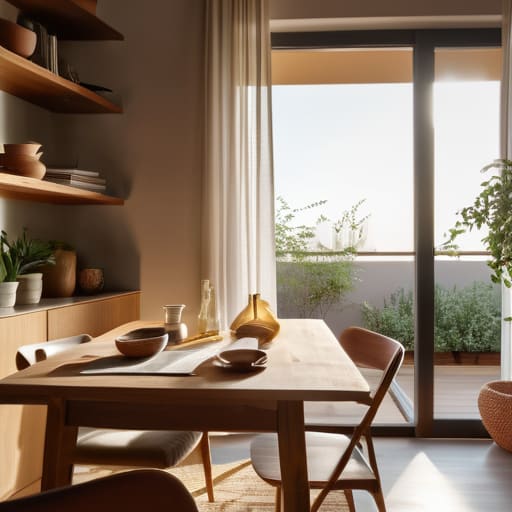
Most people approach decorating like they’re playing a game of Tetris, just trying to squeeze furniture into whatever gaps are left. But if you want a space that doesn’t feel like a waiting room, you have to stop thinking about where things fit and start thinking about how they flow. I’m a big believer in “zoning.” Even in a tiny studio, you need a clear mental and physical boundary between where you crush your work tasks and where you actually decompress. If your desk is staring you in the face while you’re trying to eat dinner, your brain is never going to fully switch off.
Instead of just pushing everything against the walls—which actually makes a room feel colder and more cavernous—try pulling your seating inward to create a focal point. This is one of those underrated non-permanent apartment decor ideas that completely changes the energy of a room. Use a rug to anchor your “living” zone, and if you’re struggling with light, skip the harsh overhead big lights. Layering small lamps or even some smart LED strips is the fastest way to focus on creating cozy living spaces in apartments without needing to rewire a single thing. It’s about building a system that supports your habits, not just filling empty corners.
Adding Warmth to Rental Interiors Without the Clutter
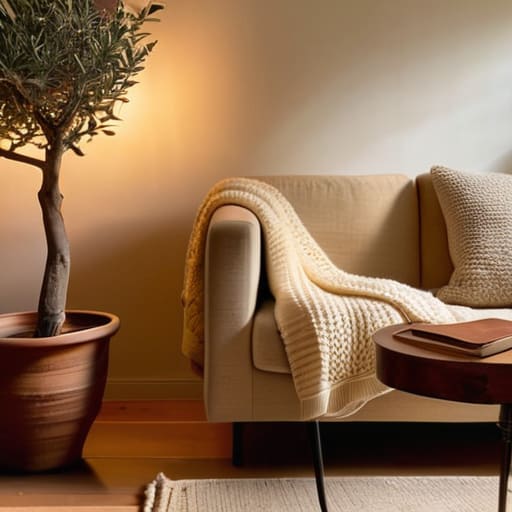
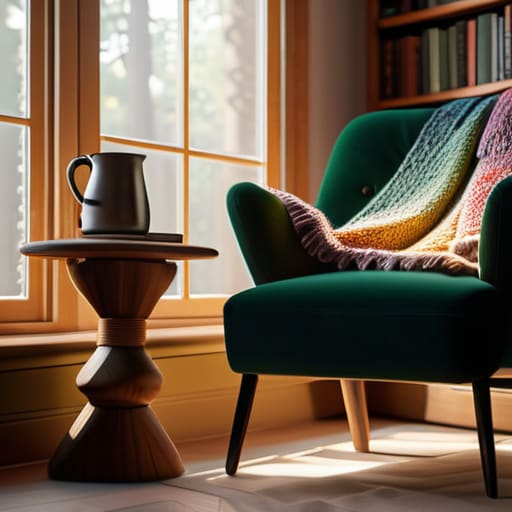
Here’s the thing: most people think “adding warmth” means buying a mountain of throw pillows and scented candles that just end up collecting dust. That’s not what I’m talking about. To me, warmth is about sensory layers that don’t require a drill or a permanent commitment. I’m big on creating cozy living spaces in apartments by focusing on lighting and texture rather than sheer volume. Swap out those harsh, overhead “big lights” for a few well-placed floor lamps with warm-toned bulbs. It’s a low-effort system that completely changes the vibe of a room from “clinical dorm” to “actual sanctuary” without any permanent damage.
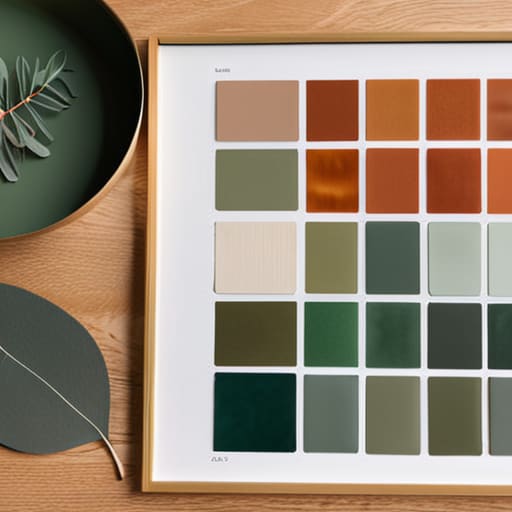
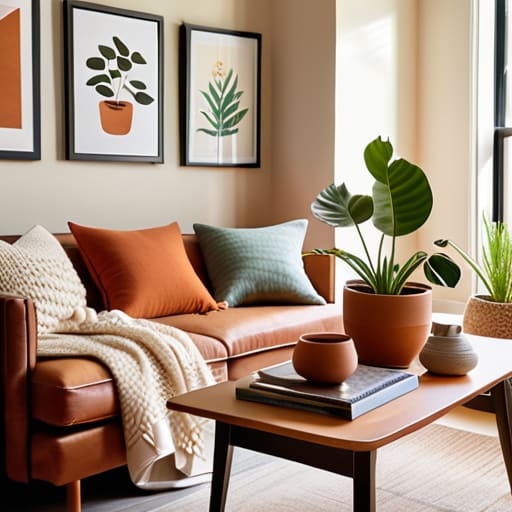
When it comes to the walls, don’t let that blank, white space make you feel like you’re living in a lab. You don’t need to hang heavy mirrors or massive canvases to make an impact. I’m a huge fan of renter-friendly wall art solutions like lightweight fabric tapestries or even using command strips to hang framed prints. It’s all about adding warmth to rental interiors through visual softness. If you stick to a cohesive color palette for these pieces, you get that curated, intentional look without the clutter of a dozen mismatched trinkets cluttering up your surfaces. Keep it simple, keep it functional, and let the textures do the heavy lifting.
Low-Stakes Upgrades That Actually Change the Vibe
- Swap out those generic, plastic light switches for something with a bit more weight and texture. It’s a tiny, tactile change, but every time you turn a light on, it feels like you’re interacting with your own space rather than a landlord’s template.
- Stop fighting the “no drilling” rule and start using command strips or tension rods for everything. Whether it’s hanging a heavy canvas or creating a makeshift curtain rod, if you can’t screw it into the wall, find a way to tension it or stick it.
- Invest in a solid, high-quality rug to act as your “zone definer.” In a rental, the floor is often the most boring, uniform element; a thick rug doesn’t just add warmth, it physically anchors your furniture so the room doesn’t feel like it’s just floating in a beige void.
- Upgrade your hardware. Those builder-grade cabinet knobs in the kitchen are usually depressing. Swapping them out for something matte black or brushed brass takes ten minutes and a screwdriver, and it immediately makes the kitchen feel custom rather than mass-produced.
- Build a “tech-friendly” corner. Since I spend half my life troubleshooting systems, I know how much a mess of tangled cords ruins a room’s energy. Use cable management boxes or adhesive clips to hide the chaos; a clean, organized workspace makes a rental feel like a curated studio instead of a temporary landing pad.
Building a Life, Not Just a Look
At the end of the day, making a rental feel like home isn’t about finding the perfect velvet sofa or matching every single decor piece to a specific color palette. It’s about the systems you put in place—from optimizing your layout so you aren’t tripping over your own feet, to adding those small, intentional layers of warmth that make a room feel lived-in rather than just “staged.” When you focus on functionality first, the aesthetic stuff tends to fall into place naturally. You aren’t just decorating a temporary space; you are optimizing your environment to support the way you actually live.
Don’t let the fear of “not being permanent” stop you from investing in your own comfort. Whether you’re just swapping out a generic light fixture or finally organizing your workspace so it actually works for your brain, every small tweak is a win. Your home should be a tool that serves you, not a museum of things you’re afraid to touch. Stop chasing that impossible, untouchable Pinterest perfection and start building a space that actually functions for your real, messy, wonderful life. You’ve got this.
Frequently Asked Questions
How can I fix things like lighting or hardware without losing my security deposit?
The golden rule? Never, ever throw away the original hardware. If you’re swapping out a crusty, builder-grade light fixture or those cheap cabinet pulls, put the old ones in a labeled Ziploc bag and tuck them in the back of a closet. When it’s time to move, it’s a five-minute swap back to “standard.” It’s a tiny bit of extra work, but it’s way cheaper than a security deposit deduction.
What are some low-cost ways to improve the acoustics if my apartment feels too echoey or hollow?
If your place sounds like a literal cave, don’t go buying those ugly professional foam panels just yet. That’s an expensive way to ruin your vibe. Instead, think about “softening” your surfaces. Throw down a thick area rug, hang some heavy linen curtains, or even lean some large canvases against the wall. Basically, anything that breaks up flat, hard surfaces will soak up that bounce. It’s low-cost, functional, and actually makes the room feel cozy.
Are there specific types of smart home tech that are easy to set up and take with me when I move?
Stick to “plug-and-play” tech that doesn’t require drilling holes or rewiring. I’m talking smart plugs, smart bulbs, and standalone sensors. They’re a lifesaver because you just screw them in or plug them into a socket, and when it’s time to move, you just pack them in a box. Avoid anything hardwired like smart switches or thermostats unless you’re prepared to swap the old ones back in and store them in a dusty corner.
How do I deal with outdated or "ugly" built-in features that I can't actually change?
Look, I get it. You’re staring at those 1970s wood-veneer cabinets or that weirdly patterned linoleum, and it feels like the space is working against you. Since we can’t rip them out, we have to pivot. Think of it like a legacy system in IT: you don’t delete it; you build a better interface around it. Use contact paper for counters, swap out hardware, or layer rugs to mask the floors. Camouflage the “ugly” with functionality.