If I see one more “aesthetic” home tour where everything is color-coordinated, overpriced, and looks like it belongs in a museum rather than a place where people actually live, I’m going to lose it. We’ve been sold this lie that you need a massive credit limit and a professional designer to make a space feel intentional. Honestly? Most of those viral budget decorating ideas are just fancy ways of telling you to go buy more junk you don’t need. I grew up in a tiny apartment where we didn’t have “decor”; we had things that worked, and we made them look good through sheer grit and a little bit of DIY magic.
I’m not here to show you how to curate a lifestyle for Instagram; I’m here to help you actually inhabit your space. I’ve spent years stripping back the fluff to find what really matters, from repurposing tech scraps to finding the right lighting that doesn’t make your living room feel like a hospital ward. In this guide, I’m sharing my most practical, zero-fluff strategies for transforming your home without draining your bank account. We’re focusing on systems, functionality, and real-world results—because a home should be a tool for your life, not a chore to maintain.
Low Cost Interior Design Hacks for Real Life
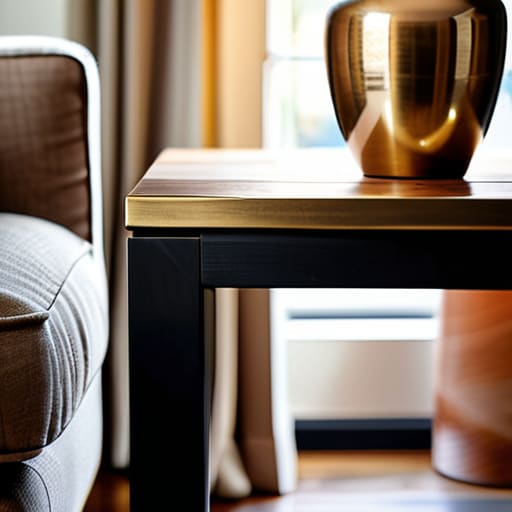
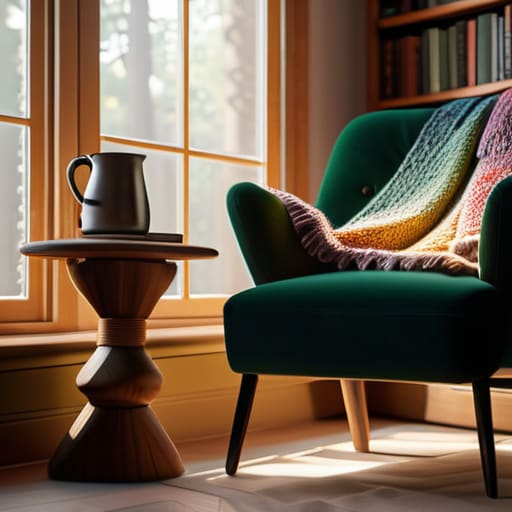
First off, let’s kill the idea that you need a massive bank account to make a space feel intentional. Most of the “aesthetic” rooms you see on TikTok are just high-budget staging. If you want actual results, start by looking at what you already own through a different lens. Repurposing old furniture is my absolute favorite way to save money while adding character. That beat-up wooden side table from your parents’ basement? Don’t toss it. Sand it down, slap on some matte black paint, or even just swap out the hardware for something modern. It’s not about being perfect; it’s about making the piece actually fit your current vibe.
Next, stop scrolling through overpriced home decor sites and start hitting up your local secondhand shops. I’m talking about the dusty corners of thrift stores where the real gems hide. You can find incredible thrift store decor finds—like heavy ceramic vases or unique brass candlesticks—that add texture to a room for basically nothing. The trick is to look for quality materials like wood, metal, or glass rather than cheap plastic. If you find something with a great shape but a hideous color, don’t sweat it; a quick spray paint job can turn a piece of junk into a centerpiece that looks like it cost a fortune.
Minimalist Room Styling on a Budget Without the Clutter
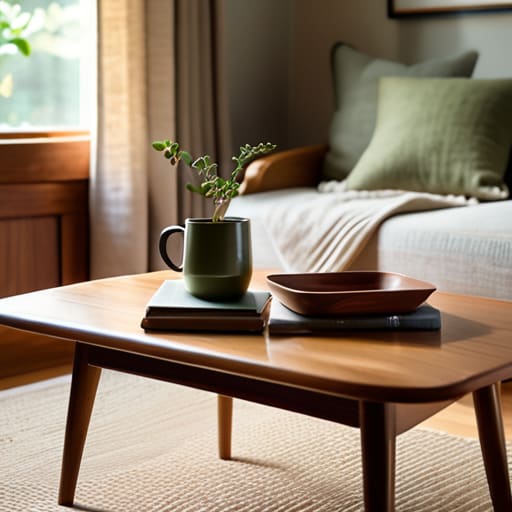
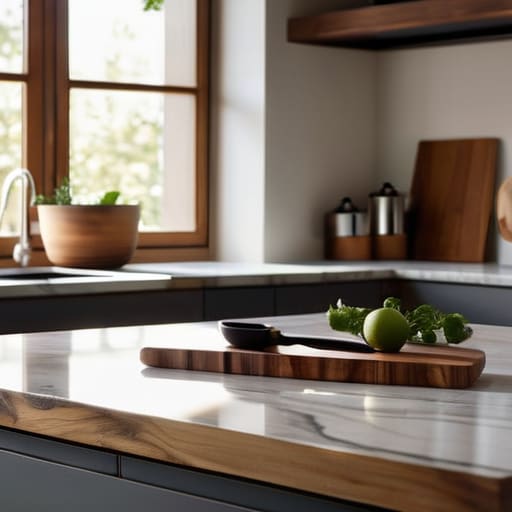
Look, we need to have a serious talk about the “minimalist” trend we see all over social media. Most of it is just expensive, empty white rooms that look like nobody actually lives there. Real minimalist room styling on a budget isn’t about buying a $2,000 sculptural chair to sit in an empty corner; it’s about curating what you actually need so your brain can finally stop buzzing from visual noise. I’ve learned through years of living in tight spaces that if a surface is covered in “stuff,” your mental bandwidth drops. Start by ruthlessly auditing your surfaces. If it doesn’t serve a function or bring you genuine, non-performative joy, it’s just clutter masquerading as personality.
Instead of filling gaps with cheap plastic junk, lean into repurposing old furniture or hunting for quality pieces that have some soul. I’m a huge advocate for hitting up local secondhand shops—not just for the sake of saving money, but because thrift store decor finds usually have a sturdiness that modern fast-furniture lacks. If you find a solid wood side table that looks like it survived a basement flood, don’t panic. A quick sanding and a coat of matte stain can turn it into a centerpiece. The goal isn’t to have a showroom; it’s to create a functional sanctuary where everything has a designated home and nothing feels like it’s just taking up space.
Five Ways to Stop Bleeding Cash on Your Space
- Stop buying “decor” and start buying function. Instead of a tiny, useless ceramic bird that just collects dust, get a sleek, high-quality tray to organize your keys and tech cables. If it doesn’t serve a purpose, it’s just more clutter you’ll have to clean later.
- Lighting is your best friend, but the overhead “big light” is your enemy. Skip the expensive designer lamps and just grab some smart LED strips or a few basic warm-toned bulbs. Layering your light makes a cheap room feel intentional rather than accidental.
- Thrift your hardware, not just your furniture. I’ve spent way too many weekends at garage sales hunting for solid brass handles or cool vintage frames. Swapping out the generic plastic knobs on a cheap dresser can make it look like a custom piece without the custom price tag.
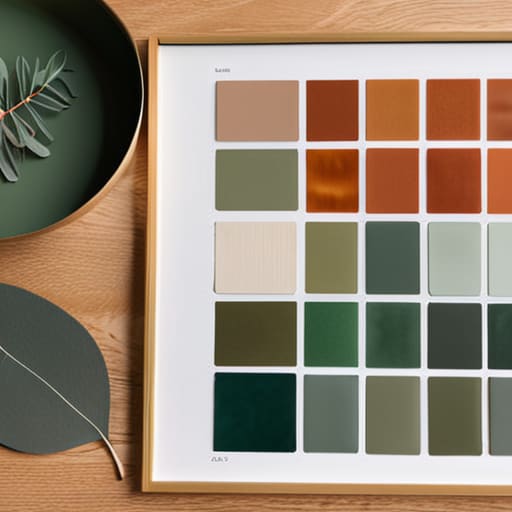
- Don’t let “aesthetic” trends dictate your shopping list. If a certain color palette is trending on TikTok but you hate it, don’t buy it. You’ll end up replacing it in six months, which is the opposite of being budget-conscious. Buy things that actually fit your life.
- Use your tech to audit your space before you spend a dime. Before you commit to a new rug or a piece of art, use a measuring tape and a simple floor plan app to see if it actually fits. There is nothing more expensive than buying something that looks great in a photo but makes your room feel cramped and chaotic.
Stop Chasing Perfection and Start Living
At the end of the day, decorating your space shouldn’t feel like a high-stakes engineering project or a race to match a specific Instagram filter. We’ve covered how to ditch the junk, how to use lighting to fix a mood, and how to keep things minimalist without letting your home turn into a sterile, empty box. It’s about finding that sweet spot where your stuff actually serves a purpose and your budget stays intact. Remember, you don’t need a massive inheritance to make a room feel intentional; you just need to prioritize function over fluff and stop buying things just because they look good in a catalog.
My biggest piece of advice? Give yourself permission to live in a “work in progress.” Your home is a system, much like the vintage synths I spend my weekends tinkering with, and it takes time to calibrate everything until it feels just right. Don’t feel pressured to finish a whole room in a weekend or go into debt to impress people who aren’t even coming over. Build your space layer by layer, one smart, low-cost fix at a time. If your tools work, your lighting is decent, and you have a place to put your keys, you’re already winning.
Frequently Asked Questions
How do I stop myself from just buying more cheap stuff that eventually ends up in a landfill?
Look, I get it. That dopamine hit from a $5 find is real, but it’s a trap. Before you hit “add to cart” or grab that random bin at Target, ask yourself: Does this solve a problem, or am I just bored? If it doesn’t have a clear function or a permanent home in your space, leave it. I’d rather have one solid, refurbished lamp that actually works than five cheap ones that die in six months.
I have zero DIY skills—are there any decor upgrades that don't require me to own a power drill?
Honestly, the “no power tools” struggle is so real. You don’t need to be a carpenter to fix a space. Start with command hooks and heavy-duty mounting strips—they’re lifesavers for art and mirrors without the permanent holes. Swap out your hardware, too; just unscrewing old cabinet knobs and replacing them with something sleek is a massive upgrade. Even just changing your lightbulbs to a warmer tone can completely shift the vibe. Low effort, high impact.
How do I make a budget room actually feel cozy instead of just looking empty and unfinished?
The “empty room” trap is real, and it usually happens because you’re focusing on objects instead of atmosphere. If it feels cold, stop looking for more furniture and start looking at your lighting. Swap those harsh overhead LEDs for warm-toned lamps or even some cheap smart bulbs set to a sunset hue. Add layers—a textured rug or a heavy throw blanket—to break up the flat surfaces. It’s about tactile warmth, not just filling space.
Is it worth investing in one "nice" piece of furniture, or should I just stick to thrifted finds for everything?
Honestly? Get the one “nice” piece. I’m a huge advocate for the thrifted life, but there’s a massive difference between a vintage side table and the sofa you sit on every single night. Invest in the stuff that touches your body or bears the most weight—like a solid bed frame or a decent chair. For everything else? Hit the secondhand shops. Build your foundation with quality, then layer the character with the cheap finds.