I’m going to say something that might get me canceled by the “lifestyle influencers” on my feed: most of the advice you see about how to keep your house tidy is absolute garbage designed to sell you expensive, color-coordinated acrylic bins you don’t actually need. I spent my childhood in a cramped apartment where my dad was constantly stripping down old appliances, and if I learned one thing, it’s that function beats aesthetics every single time. You don’t need a minimalist sanctuary that looks like a sterile hospital ward; you need a living space that doesn’t make you want to scream when you walk through the door after a long shift.
I’m not here to teach you how to curate a “Pinterest-perfect” life that collapses the second you actually start living in it. Instead, I’m going to show you how to build sustainable systems—the kind of low-maintenance, high-efficiency workflows that actually stick when you’re tired, busy, or just plain over it. We’re going to strip away the gatekeeping and focus on practical, logic-based methods to manage your space so your home actually works for you, rather than you working for your home.
Simple Decluttering Techniques for Beginners
Look, I get it. The idea of “decluttering” usually conjures up images of someone standing in a perfectly white living room, weeping over a single misplaced coaster. That’s not real life. If you’re looking for actual decluttering techniques for beginners, start by treating your stuff like a buggy piece of software: if it’s not serving a function or bringing you genuine joy, it’s just taking up valuable system resources. I like to use the “one-in, one-out” rule. Every time I bring a new piece of gear or a kitchen gadget into my apartment, something old has to go. It’s a simple way of preventing household clutter before it even has a chance to settle in.
Don’t try to tackle the whole house in a weekend; you’ll just burn out and end up sitting on the floor surrounded by half-empty boxes. Instead, I swear by the “micro-zone” approach. Pick one drawer, one shelf, or even just your bedside table. Set a timer for fifteen minutes—no more—and just focus on that one tiny ecosystem. These small wins help you build minimalist living habits without the overwhelming mental load. It’s about building sustainable systems, not performing a one-time miracle that you can’t maintain by next Tuesday.
Building Minimalist Living Habits That Stick
Here’s the thing: you can use all the decluttering techniques for beginners in the world, but if you don’t change the way you interact with your stuff, you’re just playing a never-ending game of Whac-A-Mole. I used to think tidying was a weekend-long event, a massive “reset” that left me exhausted. But after years of managing systems—both in server rooms and in my tiny apartment—I realized that true order comes from small, automated rituals. You need to stop viewing cleaning as a chore and start seeing it as a low-bandwidth background process that runs while you live your life.
Instead of aiming for a perfect, Pinterest-worthy overhaul, I focus on building minimalist living habits that actually fit my energy levels. This means adopting a “one-in, one-out” rule for my tech gear and a strict “reset to zero” policy for my kitchen counters every night. If you try to implement a massive, complex cleaning schedule for busy families or a single person, you’re going to burn out by Tuesday. The goal isn’t to live in a sterile white box; it’s to create functional home organization systems that prevent the chaos from piling up in the first place. Keep it simple, keep it consistent, and let the systems do the heavy lifting.
Systems Over Aesthetics: 5 Ways to Stop the Chaos Before It Starts
- The “One-Touch” Rule: If you pick something up, don’t put it down—put it away. If you’re carrying a coffee mug from the living room to the kitchen, don’t set it on the counter “for later.” Take the extra three seconds to put it in the dishwasher. It prevents those tiny piles of clutter from turning into mountains.
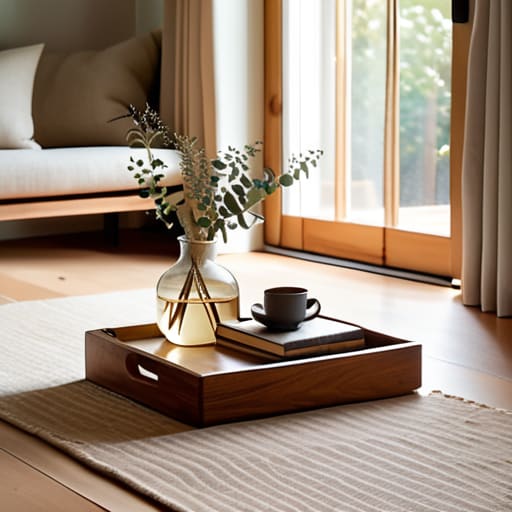
- Create “Landing Pads” for Your Essentials: Stop letting your keys, wallet, and mail migrate across every flat surface in your house. Set up a dedicated station—a small tray or a specific hook near the door—and make it a non-negotiable rule that these items live there. It saves you ten minutes of frantic searching every single morning.
- The Five-Minute Reset: Before you transition from “work mode” to “chill mode,” set a timer for five minutes. Walk through your main living area and reset the surfaces: fluff the couch pillows, clear the coffee table, and tuck away the stray chargers. It’s not deep cleaning; it’s just preparing your space so you don’t wake up to a mess tomorrow.
- Audit Your “Doom Piles”: We all have them—that one chair or corner where random stuff accumulates. Instead of ignoring them, treat them like a mini-project. Once a week, tackle one pile. Sort it into: Keep, Relocate, or Trash. If you haven’t touched the item in six months, it’s just taking up mental bandwidth you don’t need.
- Optimize Your Storage for Real Life: If you have to move three heavy boxes just to get to the vacuum, you’re never going to use it. Organize your home based on how you actually move through it, not how it looks in a Pinterest photo. Keep the things you use daily in the most accessible spots, even if it looks a little less “curated.”
The Bottom Line
Look, keeping a house tidy isn’t about achieving some impossible level of Pinterest-perfect minimalism; it’s about managing your environment so it doesn’t manage you. We’ve covered how to tackle the initial decluttering mountain without burning out, and more importantly, how to implement those small, sustainable habits that keep the chaos at bay. Remember, the goal isn’t to have a house that looks like a showroom, but to build systems that actually function within the reality of your busy life. Whether it’s a five-minute nightly reset or a strict “one in, one out” rule for your tech gear, these small adjustments are what actually prevent the slow creep of clutter from taking over your space.
At the end of the day, your home should be your sanctuary, not another item on your endless to-do list that makes you feel guilty. If you have a messy desk or a pile of laundry that’s been sitting there for three days, don’t beat yourself up—just reset when you can. Focus on progress over perfection every single time. Once you stop chasing an aesthetic that doesn’t serve you, you’ll find that a functional, organized home is much easier to maintain and, more importantly, much more rewarding to live in. You’ve got this.
Frequently Asked Questions
I don't have a lot of extra time—how do I keep things tidy when I'm working long hours or juggling a side hustle?
Look, I get it. Between my sysadmin gigs and content editing, I don’t have time for a three-hour deep clean. My secret? The “One-Touch Rule.” If you pick something up, don’t put it down—put it away. Also, I swear by “resetting” my space for just ten minutes before bed. It’s not about perfection; it’s about making sure you aren’t waking up to a mountain of chaos that drains your mental battery before your first coffee.
How do I deal with "sentimental clutter" without feeling like I'm throwing away my entire identity?
Look, I get it. That chipped mug from your college roommate isn’t just ceramic; it’s a memory. But your identity isn’t stored in a box of old receipts and broken tech. Try the “Digital Archive” hack: take a high-res photo of the item, then let the physical object go. You keep the memory without the shelf space tax. Treat your home like a functional system, not a museum. Keep what serves you, not just what reminds you.
My space is super small; what are some realistic ways to stay organized when I don't have room for massive storage solutions?
Look, I grew up in a cramped apartment, so I get it—you can’t just buy a massive IKEA Kallax and call it a day. When square footage is tight, stop thinking about “storage” and start thinking about “verticality” and “utility.” Use command hooks for everything, grab some stackable bins, and if a tool or gadget doesn’t serve a dual purpose, it’s just taking up precious real estate. Make every inch work for you.
How do I get my roommates (or family) to actually follow the systems I've put in place so I'm not the only one cleaning?
Look, you can’t “system” your way into changing people, no matter how clean your Notion board looks. If you try to impose a rigid regime, they’ll just rebel or ignore it. Instead, stop building systems for you and start building them for them. Keep the friction low. If the laundry system requires a three-step sorting process, it’s going to fail. Make it stupidly simple, hold a low-stakes house meeting, and focus on shared standards, not perfection.