I still remember the smell of stale cardboard and the absolute chaos of my first solo move into a tiny studio apartment. I had spent way too much money on those color-coded, heavy-duty plastic bins because a lifestyle influencer told me they were “essential,” only to realize they were a complete waste of space in the back of a cramped U-Haul. I was sitting on the floor, surrounded by overpriced clutter, realizing that none of the “aesthetic” moving tips I’d read online actually accounted for the reality of living in a space that wasn’t a showroom.
I’m not here to sell you on a Pinterest-perfect moving process that requires a PhD and a massive budget. Instead, I’m going to give you the straightforward, systems-based moving tips I’ve actually used when transitioning my tech gear and DIY tools from one cramped space to another. We’re going to focus on functional efficiency—how to pack so you can actually find your coffee maker on day one, and how to organize your life so the transition doesn’t break your brain.
Ditch the Chaos With Smarter Moving Cost Estimation
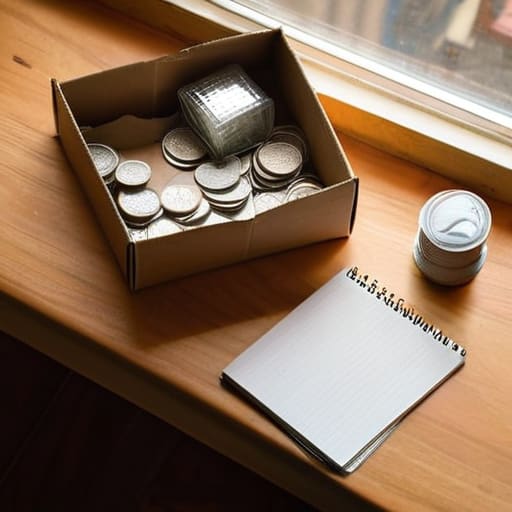
Let’s be real: the math behind a move is usually the first thing to break. Most people start their moving cost estimation by looking at the big numbers—the truck rental or the professional movers—but they completely ignore the “death by a thousand cuts” expenses. I’m talking about the random $15 trips to the hardware store for extra tape, the specialized bubble wrap for your tech, and the inevitable takeout because you’re too exhausted to cook. If you don’t build a buffer into your budget, you’re going to feel the sting halfway through week one.
To keep this from becoming a financial black hole, I treat my budget like a system. I create a spreadsheet that accounts for the heavy hitters but also leaves room for the small stuff, like packing supplies essentials that you’ll inevitably realize you ran out of at 11 PM. My rule of thumb? Add a 15% “chaos tax” to whatever your initial estimate is. It’s not being pessimistic; it’s just practical engineering for your bank account. It’s much better to have a little extra left over for a celebratory pizza in your new place than to be staring at a depleted savings account because you forgot how much rolls of high-quality packing tape actually cost.
The Radical Truth About Decluttering Before Moving
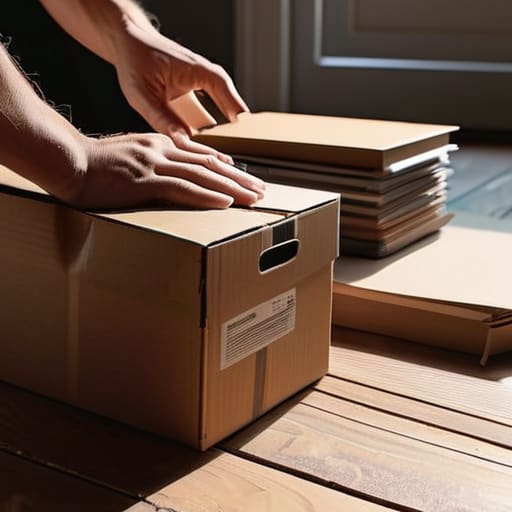
Here’s the truth nobody wants to tell you: most of what you’re currently stressing about packing shouldn’t even be making the trip. We’ve all fallen into that trap of thinking every “just in case” item has a place in our new life, but that’s how you end up paying a premium to move literal trash. Decluttering before moving isn’t about being a minimalist for the sake of an Instagram aesthetic; it’s about tactical efficiency. If you haven’t touched that tangled mess of proprietary charging cables or that stack of old manuals in two years, let them go. Every item you toss now is one less box you have to tape, carry, and eventually unpack.
I treat my pre-move purge like a system audit. I go through my space and ask: Does this serve a function, or is it just taking up bandwidth? If you don’t make these hard calls now, your relocation planning timeline is going to blow up when you realize you’re spending your first week in the new place digging through boxes of junk instead of actually setting up your workstation. Don’t let your past clutter dictate your future headspace. Be ruthless, because your future self—the one trying to navigate a mountain of cardboard—will thank you.
Systems Over Stress: 5 Ways to Keep Your Move from Becoming a Total Disaster
- Stop buying those flimsy, cheap boxes from the grocery store; invest in a decent pack of heavy-duty, uniform-sized moving boxes so they actually stack without collapsing and turning your living room into a game of Tetris gone wrong.
- Create an “Essentials Kit” for your first night—think chargers, basic tools, a change of clothes, and your coffee maker—and keep it in a backpack, not a random box, so you aren’t digging through twenty taped-up cartons just to find your toothbrush at midnight.
- Label your boxes by room and priority level; writing “Kitchen – High Priority” on a box tells you exactly what needs to be unpacked immediately so you can actually eat something on day one.
- Use your soft goods, like towels, linens, and even thick sweaters, as padding for your fragile tech and glassware; it saves you money on bubble wrap and makes sure your stuff isn’t rattling around in a void.
- Digitalize your important docs before the move—scan your lease, IDs, and any hardware warranties to a secure cloud folder—because losing a physical folder in a sea of cardboard is a headache you don’t need.
Moving is a System, Not a Crisis
Look, moving is never going to be a seamless, Pinterest-perfect experience, and that’s okay. We’ve covered how to stop guessing with your budget and why you need to be brutally honest with yourself during the decluttering phase. If you actually implement these systems—estimating costs realistically and refusing to pack trash you haven’t touched in two years—you aren’t just moving boxes; you are optimizing your transition. You’re setting yourself up so that on night one in your new place, you aren’t digging through a mountain of junk just to find your toothbrush or a charging cable.
At the end of the day, your goal isn’t to have the most organized moving labels in history; it’s to arrive at your new doorstep feeling like you actually have your life under control. Don’t let the logistical noise drown out the reason you’re doing this in the first place. Whether you’re leveling up to a bigger apartment or starting fresh in a new city, remember that functional systems are what turn a chaotic weekend into a manageable milestone. You’ve got the tools, you’ve got the plan, now just go build your new space.
Frequently Asked Questions
How do I actually budget for those "hidden" moving costs like security deposits or new utility setups?
Budgeting for the “obvious” stuff like truck rentals is easy, but the hidden fees are what actually wreck your bank account. I always treat security deposits and utility connection fees as non-negotiable line items in my spreadsheet. Pro tip: build in a 15% “chaos buffer” for the stuff you inevitably forget, like new shower curtains or that one specific lightbulb you need for the new place. Don’t let the small stuff derail your system.
What’s the most efficient way to pack a kitchen without losing my mind (or breaking every plate)?
Stop trying to pack your kitchen like it’s a game of Tetris. It’s a recipe for disaster. First, grab some heavy-duty packing paper—bubble wrap is fine, but paper is cheaper and fills gaps better. Pack plates vertically, like vinyl records; they’re way less likely to snap that way. Group your “essentials” (coffee maker, one mug, a knife) in a single “Day One” box. If you can’t find your caffeine in the first hour, you’ve already lost.
Should I hire professional movers or just rent a truck and do the heavy lifting myself?
Look, if you’re asking this, you’re probably staring at a spreadsheet trying to make the math work. Here’s the reality: hire pros if you have a budget and zero desire to spend your entire weekend nursing a slipped disc. But if you’re in a “DIY or die” phase and want to save cash, rent the truck. Just don’t underestimate the hidden costs of fuel, rental fees, and—most importantly—your own physical limits.
How do I keep my tech and expensive gear safe while everything is packed in cardboard boxes?
Look, please don’t just toss your laptop or that expensive synth into a random box and pray. First, if it’s small enough, pack it in your “essentials” bag—the one you carry on your person. For the bigger stuff, use original packaging if you still have it. If not, grab some heavy-duty bubble wrap and double-box it. Most importantly: label those boxes “FRAGILE: TECH” in big, ugly letters. Aesthetics don’t matter; survival does.