I spent my childhood watching my dad take apart old appliances just to see how they worked, and if there’s one thing he taught me, it’s that most “organizational hacks” you see on social media are total garbage. I am so tired of seeing these $200 minimalist acrylic bins that look pretty for exactly three days before they crack under the weight of actual, real-life stuff. We’ve been sold this lie that you need a massive budget and a professional designer to fix a cluttered room, but honestly? Most of those expensive products are just aesthetic filler. If you want to actually reclaim your space, you need diy storage solutions that are built for durability and function, not just for a clean Instagram feed.
I’m not here to show you how to make a “dream pantry” that looks like a museum; I’m here to help you build systems that actually hold your gear without falling apart. In this guide, I’m sharing the no-nonsense methods I use in my own workspace and home to keep things organized using tools you probably already own. We’re going to focus on clever, rugged, and budget-friendly builds that prioritize utility over vanity.
Budget Friendly Organization Projects for Real Life
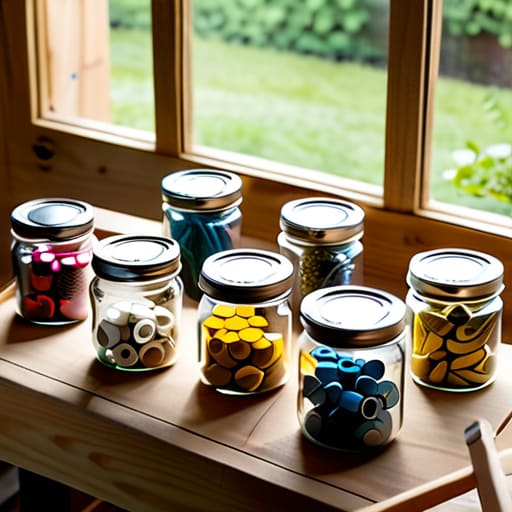
Let’s be real: most “organization hauls” you see online involve spending a small fortune on matching acrylic bins that look great but offer zero actual utility. If you’re working with a tight budget, stop looking at the boutique aisles and start looking in your pantry or recycling bin. I’m a huge fan of repurposed container ideas because they cost exactly zero dollars. Those glass sauce jars? Clean them out, peel the labels, and suddenly you have perfect, modular storage for screws, cables, or even craft supplies. It’s not about the “look”; it’s about creating a system where every item has a designated home so you aren’t hunting for your charging cable for twenty minutes every morning.
If you’re dealing with a cramped setup, you have to stop thinking horizontally. Most people waste so much room because they only use the floor and the tops of desks. Instead, lean into vertical storage solutions like tension rods or even simple command hooks to get things off your surfaces. I once used a cheap over-the-door shoe organizer to manage a massive tangle of power bricks and peripherals in my workspace—it was a total game-changer. You don’t need a custom-built shelving unit to reclaim your space; you just need to start utilizing the air above your head.
Repurposed Container Ideas That Dont Look Like Junk
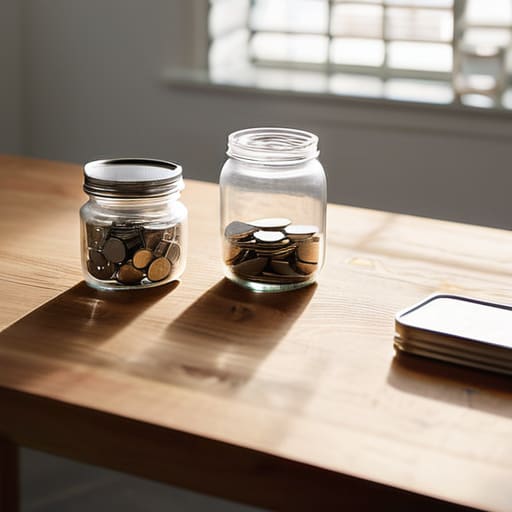
Look, I get it. Most “upcycling” advice online makes it sound like you need to spend three hours spray-painting an old pasta sauce jar to make it look “chic.” That’s not practical, and honestly, it’s a waste of time. I’m all about repurposed container ideas that actually serve a function without turning your living room into a craft store explosion. If you have empty glass jars from pickles or jam, don’t toss them. Clean them out, maybe sand down the rough edges of the lid, and use them to corral all those loose screws, charging cables, or even loose change. It’s not about making it look like a museum piece; it’s about having a designated spot for the small stuff so it stops migrating across your desk.
If you’re dealing with a tiny footprint, think about vertical storage solutions using what you already have. Those sturdy cardboard boxes from your latest tech delivery? Don’t just stack them in a corner. Wrap them in a simple, neutral fabric or even just some matte contact paper, and use them as modular bins inside your pantry or under the bed. This is one of my favorite small apartment storage hacks because it costs zero dollars and instantly stops that “clutter creep” from taking over your floor space. Just keep it cohesive, and it’ll look intentional rather than accidental.
Stop Overthinking It: 5 Rules for Storage That Actually Last
- Measure twice, buy once, and then measure again. There is nothing more soul-crushing than spending a Saturday building a custom shelf only to realize it’s two inches too wide for the nook you intended it for. Grab a tape measure and be obsessive about your dimensions before you even touch a screwdriver.
- Prioritize accessibility over “the look.” If you have to move three different bins just to get to the one thing you actually need, your system is broken. I’d much rather have a slightly mismatched set of clear bins that I can actually see through than a beautiful, opaque wooden box that turns into a black hole for my cables.
- Build for the weight, not the vibe. I’ve seen so many “aesthetic” DIY setups collapse because someone tried to put heavy power tools or thick textbooks on a flimsy piece of particle board. If it’s heavy, use real wood or reinforced brackets. A system that breaks the first time you use it isn’t a solution; it’s just more clutter.
- Label everything, but don’t get fancy. You don’t need a $50 label maker and calligraphy pens. A piece of masking tape and a Sharpie works perfectly fine. The goal is to know exactly where the extra HDMI cables live so you aren’t tearing your brain out searching for them when a client calls.
- Leave room for your life to change. We aren’t static, and our gear isn’t either. Don’t build a storage system so hyper-specific that it only works for the exact set of tools you own today. Leave a little “buffer space” in your bins and shelves for the new tech or projects you know are going to show up in six months.
Stop Chasing Perfection, Start Building Function
At the end of the day, whether you’re repurposing old bins or building custom shelving from scrap, the goal isn’t to win a home decor award. We’ve covered how to keep things budget-friendly and how to repurpose containers without making your living space look like a literal dumpster fire. The takeaway is simple: stop waiting for the “perfect” modular system to fall into your lap and just start using what you have. If a container holds your cables and keeps them from becoming a tangled mess behind your desk, it has done its job. Focus on the utility of the solution rather than the aesthetic of the object.
I know it can feel overwhelming to look at a cluttered room and think you need a complete overhaul, but you don’t. You just need a system that works for your actual life, not the one you see on a curated social media feed. Take it one project at a time, grab your multi-tool, and just make it functional. Once your gear has a home and your tools are where they belong, you’ll realize that a well-organized space isn’t about being “neat”—it’s about reclaiming your mental bandwidth so you can focus on the things that actually matter.
Frequently Asked Questions
How do I stop my DIY storage from looking like a cluttered mess of random bins?
The secret is visual consistency, not matching sets from a big-box store. If you have a chaotic mix of plastic bins, neon baskets, and cardboard boxes, your brain reads that as “clutter” even if everything is technically put away. Pick a single material—like all clear acrylic, all wood, or even just all uniform white bins—and stick to it. It creates a visual rhythm that tells your eyes, “This is a system, not a pile.”
What are some ways to build sturdy shelving if I don't own a bunch of heavy-duty power tools?
Look, you don’t need a workshop full of expensive gear to build something that won’t buckle under its own weight. If you’re lacking a drill, lean into modular systems like heavy-duty wire shelving or even tension-based setups. If you’re feeling more hands-on, use a manual screwdriver and pre-drilled wood—it takes more elbow grease, but it’s way more reliable than a cheap, wobbly shelf. Focus on solid joinery and sturdy materials rather than fancy hardware.
How can I organize my tech cables and small components without them becoming a giant bird's nest?
Look, we’ve all been there—digging through a literal “cable spaghetti” monster just to find one specific USB-C cord. First, stop using those flimsy twist ties; they fail immediately. Grab some Velcro cable wraps instead. For the tiny stuff like resistors or screws, skip the expensive organizers and hit up a clear tackle box or even a cheap hardware organizer from the discount aisle. If it’s not labeled and contained, it’s just clutter.
Is it actually worth building custom storage, or should I just buy modular systems that are easier to scale?
Honestly? It depends on whether you’re fighting for every inch of space or just trying to stay organized. If you have a weirdly shaped nook or a specific collection of gear that won’t fit standard bins, build custom. It’s a pain, but it maximizes your footprint. But if you’re constantly moving or your needs change every six months, go modular. Don’t get locked into a permanent setup that you’ll outgrow by next year.