I spent my childhood watching my dad take apart every broken appliance in our apartment, usually while muttering about how “over-engineered” modern junk had become. He taught me that most people treat home maintenance like a high-stakes guessing game, but honestly? Most of the mainstream home safety tips you see plastered all over Pinterest are just expensive distractions. You don’t need a $500 smart-lock system that requires a firmware update just to keep your front door shut, and you definitely don’t need a “curated” aesthetic to keep your family out of harm’s way. We need to stop prioritizing how our security tech looks on a shelf and start focusing on whether it actually functions when the power goes out.
I’m not here to sell you on a lifestyle upgrade or a minimalist home makeover. My goal is to give you the unfiltered, practical systems that actually work—the kind of stuff I use to keep my own workspace and gear from turning into a disaster zone. We’re going to strip away the gatekeeping and look at the high-impact, low-cost moves that ensure your space is actually secure. No fluff, no aesthetic nonsense, just systems that work.
Securing Entry Points Without the Fancy Gadgets
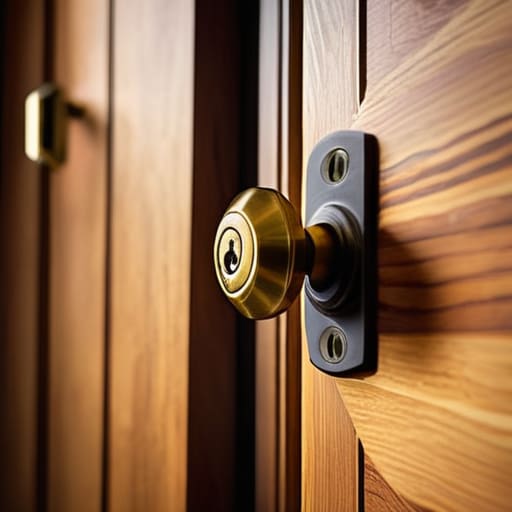
Look, you don’t need to spend three months’ rent on a suite of high-end smart home security systems just to feel okay when you’re sleeping. A lot of the tech marketed to us is basically just a glorified notification that tells you something happened after it already happened. If you want to focus on actual securing entry points, start with the hardware you already have. I’m talking about the boring stuff: checking that your deadbolts actually throw fully into the frame and making sure your strike plates are secured with three-inch screws, not those tiny, flimsy ones that come standard in most doors. It’s a five-minute fix that makes a massive difference in structural integrity.
While we’re on the subject of physical barriers, don’t ignore the “soft” spots like sliding glass doors or basement windows. I once spent an entire weekend restoring an old analog synth, only to realize my window latch was so loose it practically swung open with a breeze. It’s a tiny oversight, but it’s a huge vulnerability. Instead of buying a fancy sensor, just grab a simple wooden dowel or a security bar to place in the track. It’s low-tech, high-impact, and it works every single time without needing a firmware update.
Smart Home Security Systems That Actually Function
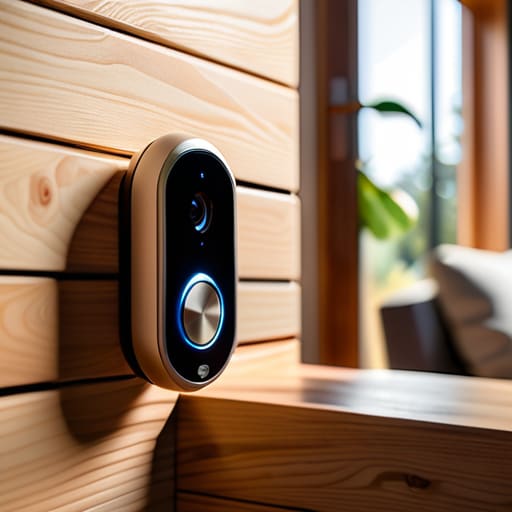
Look, I get it. You see those sleek, high-end security setups on Instagram and think you need a thousand-dollar ecosystem just to feel safe. You don’t. When it comes to smart home security systems, the goal isn’t to have a futuristic command center; it’s about having tech that actually talks to you when something is wrong. I always tell my clients to start with the basics: a solid Wi-Fi mesh network and a few well-placed, reliable sensors. If your camera is constantly sending you “false positive” notifications because a moth flew past the lens, you’re going to start ignoring them within a week. Ignore the hype and focus on hardware that offers meaningful, actionable alerts.
Beyond just watching the front door, use your tech to integrate broader fire prevention strategies. I’ve set up interconnected smart smoke detectors that don’t just beep—they send a push notification to my phone and turn on the smart lights if they sense smoke. It’s a total game-changer for an emergency preparedness checklist. It’s not about being paranoid; it’s about building a system that works in the background so you can actually live your life without constantly checking the locks.
The "Set It and Forget It" Safety Checklist
- Stop treating your smoke and CO detectors like decor. Pick a day—the first Sunday of every quarter works best—and actually hit the test button. If they chirp, don’t just pull the battery out to make the noise stop; replace the whole unit if it’s more than ten years old.
- Audit your lighting, but keep it functional. You don’t need expensive, color-changing smart bulbs; you just need motion-sensor lights at your entry points and dark corners. If you can’t see where you’re walking, you’re asking for a trip to the ER.
- Treat your digital life like your physical home. Change your router password from the factory default (seriously, people still do this) and make sure your guest Wi-Fi is separate from your main network. It’s a simple layer of defense that keeps your smart fridge from being a gateway to your laptop.
- Clear the “path of egress.” It sounds technical, but it basically means don’t let your collection of half-finished DIY projects or Amazon boxes block your exits. If there’s an emergency, you shouldn’t be tripping over a stack of vintage synth parts while trying to get out.
- Keep a “go-bag” that isn’t just a pile of random stuff. I’m talking a small, organized kit with a portable power bank, a multi-tool, a flashlight, and some basic first aid. If the power goes out or things get chaotic, you won’t be scrambling through junk drawers to find a light source.
Keeping the Systems Running
At the end of the day, home security isn’t about having the most expensive, flashing smart hub on your shelf or a door that looks like it belongs in a high-security vault. It’s about the boring, fundamental stuff: making sure your locks actually catch, your smart cameras are actually connected to the right network, and your entry points don’t have glaring, unaddressed weaknesses. We’ve covered everything from reinforcing the physical hardware to picking tech that won’t crash the second your Wi-Fi hiccups. If you focus on building a foundation of reliable, functional layers rather than chasing the latest tech trend, you’ve already won half the battle.
Don’t let the sheer number of things that can go wrong in a house paralyze you. I know it feels overwhelming when you start looking at every window and every smart plug, but remember that systems are meant to serve you, not the other way around. You don’t need a perfect, Pinterest-worthy fortress; you just need a space that works so you can actually relax when you close the door at night. Take it one step at a time, fix what’s broken, and trust the systems you’ve built. You’ve got this.
Frequently Asked Questions
Is it actually worth spending the extra cash on smart locks, or should I just stick to a heavy-duty deadbolt?
Look, if you’re just looking for security, a high-quality, heavy-duty deadbolt is your best friend. It’s reliable, it doesn’t need a firmware update, and it won’t glitch when your Wi-Fi acts up. But if you’re constantly losing your keys or juggling groceries, the convenience of a smart lock is a legitimate life upgrade. Just don’t buy a cheap one; if you go smart, invest in a brand that actually prioritizes encryption over aesthetics.
How do I keep my home network secure so my smart cameras don't become a backdoor for hackers?
Look, I get it—the idea of a hacker watching you through your own doorbell camera is a total nightmare. The easiest fix? Stop using the default passwords that came in the box. Change them immediately. Next, put your IoT devices on a guest network. It sounds extra, but it creates a digital “buffer zone” so if a cheap smart bulb gets compromised, they can’t jump straight into your laptop where your actual life lives.
What are some low-effort ways to check my smoke and carbon monoxide detectors without having to climb a ladder every single week?
Look, I get it. Climbing a ladder just to press a button feels like a chore you’ll perpetually procrastinate on. If you want to skip the gymnastics, look for detectors with “interconnected” features or smart integration. You can test them right from your phone via an app. If you’re stuck with the old-school manual ones, just grab a telescoping pole or a broom handle to hit that test button. No ladder, no drama.
If I'm renting, what are some non-permanent ways I can beef up my security without losing my entire security deposit?
Look, I get it. You want to feel safe, but you also don’t want to hand your landlord a massive bill when you move out. Skip the drilling. Grab some heavy-duty door jammer bars or even a simple window security film—it’s basically clear tape on steroids that makes glass way harder to smash. You can also swap out your deadbolt’s decorative plate for something sturdier, just keep the original in a box to reinstall later.