Honestly, if I see one more “aesthetic” cooking video featuring a $200 copper pan and a mountain of organic microgreens just to make a basic breakfast, I might actually lose it. We need to stop acting like learning how to cook eggs requires a culinary degree or a kitchen that looks like a showroom. Most of the advice you find online is wrapped in so much unnecessary fluff that you end up with a rubbery, overcooked mess and a massive sense of failure. I grew up watching my dad fix old electronics with nothing but a screwdriver and some grit, and I carry that same energy into my kitchen: if the system is too complicated, it’s broken.
I’m not here to sell you on fancy gadgets or pretentious techniques that take twenty minutes of prep for a thirty-second meal. My goal is to give you the actual, unvarnished mechanics of the process so you can get high-quality protein into your system without the stress. I’m going to break down the most efficient ways to master the basics, focusing on functional results rather than visual perfection. We’re stripping away the gatekeeping and getting straight to the point so you can build a breakfast routine that actually works.
Mastering the Egg Protein Science Without the Fluff
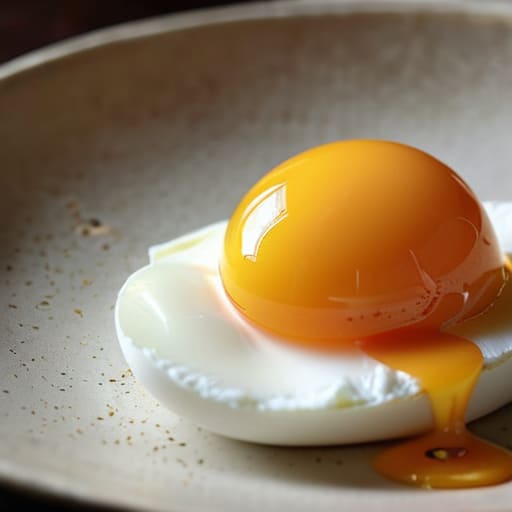
Look, you don’t need a degree in molecular gastronomy to understand why your breakfast occasionally turns into a rubbery mess. It really just comes down to basic egg protein science. Think of proteins like tiny, tangled balls of yarn; when you apply heat, those balls stretch out and then hook onto each other, creating a web. If you heat them too fast or too long, that web gets too tight, squeezes out all the moisture, and leaves you with something that feels more like a pencil eraser than food.
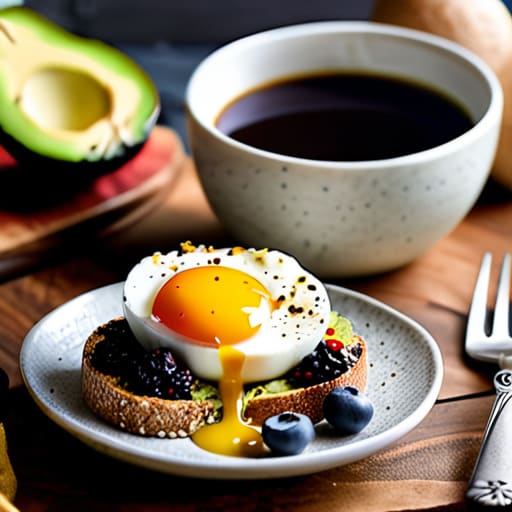
The secret to avoiding that texture disaster is managing your egg cooking temperatures with a bit of intentionality. You aren’t trying to “cook” the egg so much as you are gently coaxing those proteins to bond. If you’re going for soft scrambles, pull them off the heat while they still look a little too wet—the residual heat will finish the job on the plate. If you’re aiming for a specific poached egg technique, remember that stability comes from a gentle simmer, not a rolling boil that shreds the whites. It’s not about being a perfectionist; it’s just about knowing when to stop before the chemistry turns against you.
Finding the Best Pan for Eggs in Your Kitchen
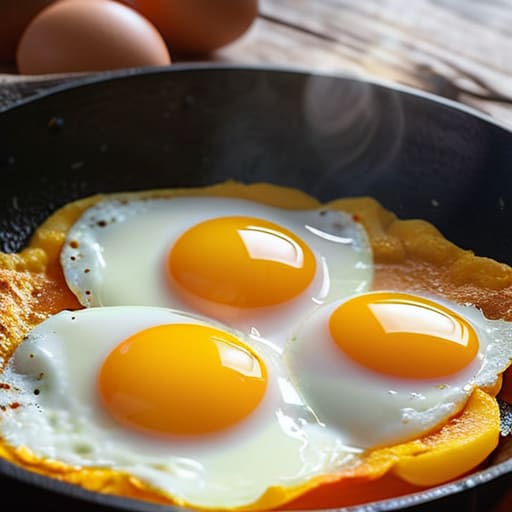
Look, you don’t need a $200 copper skillet with a hand-forged handle to make a decent breakfast. I’ve spent enough time tinkering with old hardware to know that the most expensive tool isn’t always the most reliable one. When you’re hunting for the best pan for eggs, your main goal is heat distribution. If you use a cheap, thin pan, you’re going to deal with hot spots that turn your breakfast into a charred, rubbery mess before you even realize it.
If you’re like me and value functionality over “kitchen aesthetic,” a high-quality non-stick skillet is your best friend. It’s the low-maintenance option that actually works when you’re running on five hours of sleep. However, if you’re a bit more adventurous and want to experiment with a more traditional poached egg technique, a stainless steel pan can be great—just don’t expect it to be as forgiving as non-stick. Whatever you choose, make sure it’s heavy enough to hold steady on the burner. A pan that slides around like it’s on ice is just an extra obstacle between you and a functional morning.
Five Low-Maintenance Hacks for Eggs That Actually Turn Out Right
- Stop using high heat just because you’re hungry. I see people cranking the burner to max and then wondering why their eggs look like rubber scraps. Lower the heat, give them a minute, and let the physics do the work for you.
- Get comfortable with the “cold start” method for scrambled eggs. If you’re worried about texture, crack them into the pan while it’s still warming up. It gives you way more control and prevents that weird, spongy mess.
- Your butter is your best friend, but don’t be stingy. A little extra fat isn’t just about flavor; it’s a functional lubricant that keeps the proteins from bonding to your pan and ruining your morning.
- Treat your eggs like a delicate system—don’t overwork them. Once they start to set, pull the pan off the heat. Residual heat is a real thing, and if you keep stirring until they look “done” in the pan, they’ll be overcooked by the time they hit your plate.
- Forget the fancy egg timers. Just watch the edges. When the whites go from translucent to opaque, you’re in the sweet spot. Trust your eyes more than a gadget you’re probably going to lose in a drawer anyway.
Get Out of Your Head and Into the Kitchen
At the end of the day, cooking the perfect egg isn’t about owning a $200 copper skillet or mastering some complex culinary technique you saw on a high-production cooking show. It’s about understanding how your heat source interacts with your protein and having a pan that actually works for you instead of against you. Once you’ve got the science of the protein down and you’ve picked a reliable pan that doesn’t make you want to throw it out the window, you’ve already won half the battle. Don’t get caught up in the minutiae of “perfect” plating; just focus on controlling your temperature and respecting the process.
I know it sounds silly to get this worked up over something as basic as breakfast, but there’s a certain kind of peace that comes from knowing you can handle the fundamentals. When you stop relying on expensive gadgets and start relying on your own systematic approach, everything feels a little less chaotic. Whether you’re fueling up for a long coding session or just trying to survive a Tuesday morning, you deserve a meal that actually tastes good and functions as the fuel you need. So, grab your spatula, turn on the stove, and just start cooking.
Frequently Asked Questions
My eggs always stick to the pan even when I use oil; am I doing something wrong?
Honestly, it sounds like you’re fighting a losing battle with temperature. If your pan isn’t hot enough before the oil hits, or if you’re dropping eggs into a lukewarm skillet, they’re going to bond to the surface like they’re trying to become part of the hardware. Wait for the oil to shimmer, give it a second, and let the heat do the heavy lifting. Stop rushing the prep; the physics won’t lie.
Is there a way to keep my yolks runny without the whole thing turning into a liquid mess?
The trick is all about temperature control and timing, not fancy equipment. If you want that jammy yolk without the “liquid mess” vibe, stop using high heat. Aim for medium-low and pull the eggs off the burner just before they look finished. Residual heat keeps cooking them on the plate. Think of it like a system: you’re aiming for a set white and a controlled, viscous center. Don’t overthink it; just watch the clock.
Do I actually need to use butter, or can I just stick to whatever oil I have in the pantry?
Look, if you’re just trying to get fuel into your system, don’t let a lack of butter stop you. You can absolutely use whatever oil you have sitting in the pantry. I usually reach for avocado or grapeseed if I want something neutral, but even olive oil works—just watch the heat so it doesn’t smoke. Butter is great for flavor, but it’s not a requirement for a functional breakfast. Just cook the damn eggs.
How do I stop my eggs from getting that weird, rubbery texture after I take them off the heat?
That rubbery texture is basically just overcooked protein—you’ve pushed the eggs past their limit. The mistake most people make is thinking they need to cook them until they look “done” in the pan. By then, residual heat has already turned them into bouncy little pucks. Pull them off the heat while they still look slightly wet and underdone. They’ll finish cooking on the plate, and you’ll actually enjoy eating them.