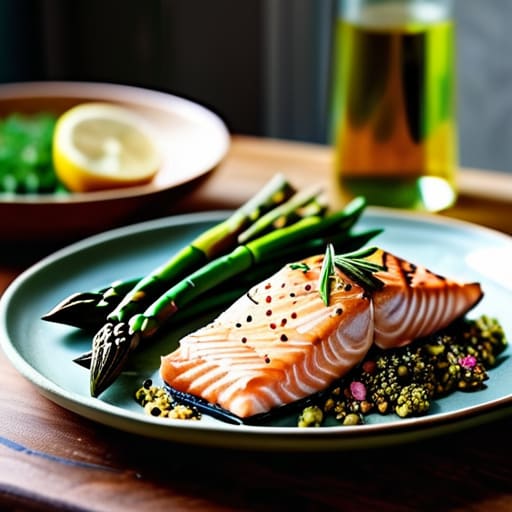
I’m so tired of seeing “wellness influencers” post these hyper-curated, $40 avocado toast spreads that look more like art installations than actual food. If you’ve ever scrolled through a recipe blog only to find forty minutes of backstory and a list of ingredients you can’t find at a regular grocery store, you know exactly what I’m talking about. We’ve been sold this lie that learning how to build a balanced meal requires a culinary degree and a massive budget, when really, it’s just about basic systems. Most of those “aesthetic” meal prep videos are just expensive distractions from the fact that you’re actually just hungry and short on time.
I’m not here to give you a lecture on macronutrient ratios or sell you a subscription to a meal kit service. Instead, I want to show you a way to approach your plate that actually works with your real, messy life. I’m going to break down a no-nonsense framework that lets you throw together something functional and fueling without needing a single specialized gadget or a prayer to the gods of organic kale. We’re stripping away the gatekeeping and getting back to the basics of food that actually functions.
The Healthy Plate Method for Real Life
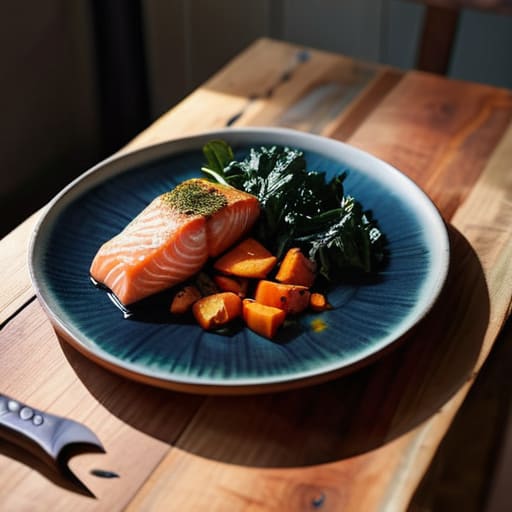
Look, I don’t have the bandwidth to weigh every single gram of spinach like some fitness influencer on a mission. When I’m deep in a systems audit or mid-repair on an old Juno-6, I need food that works as hard as I do without turning my kitchen into a laboratory. That’s where the healthy plate method comes in. It’s basically a mental framework—a way to eyeball your fuel so you aren’t constantly checking a spreadsheet.
Instead of obsessing over a complex macronutrient distribution guide, just look at your plate as a set of modules. You want to aim for a specific protein vegetable carbohydrate ratio that keeps your energy from crashing halfway through the afternoon. I usually go for a heavy dose of greens, a solid palm-sized portion of protein, and whatever complex carb is easiest to grab.
The goal isn’t perfection; it’s about maximizing the nutritional density of foods so you actually feel satiated. If half your plate is colorful veggies, a quarter is protein, and the last quarter is your carb, you’ve basically hacked the system. It’s low-maintenance, it’s scalable, and most importantly, it actually functions in a real, messy life.
Ditch the Recipes for a Functional System
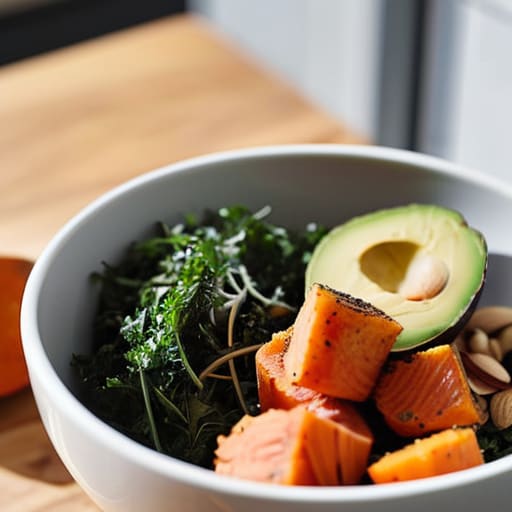
Look, I get it. You spend forty minutes scrolling through a recipe blog, dodging a thousand life stories about a grandmother’s sourdough starter, only to realize you don’t even have the specific microgreen required to make it “authentic.” It’s exhausting, and honestly, it’s a recipe for burnout. If you want to actually eat well consistently, you need to stop treating every dinner like a high-stakes culinary exam and start treating it like a system.
Instead of following a rigid script, focus on a loose protein vegetable carbohydrate ratio that works for your specific goals. Think of it like configuring a server: you aren’t worried about the exact brand of every single screw, you’re just making sure the architecture is sound. If you have a solid base of protein for satiety, a massive pile of veggies for micronutrients, and a controlled amount of carbs for energy, you’ve already won.
This is where most people trip up—they try to master complex recipes instead of mastering the logic behind them. Once you understand the nutritional density of foods you have in your pantry, you can swap a sweet potato for quinoa or spinach for kale without the whole system crashing. It’s not about being a chef; it’s about functional fueling that doesn’t require a grocery list a mile long.
Five Low-Maintenance Hacks for Consistent Fueling
- Keep “emergency” staples in your pantry. I’m talking canned beans, quick-cook grains, and frozen veggies. When you’re too drained to meal prep, these are your lifesavers so you don’t end up ordering expensive, greasy takeout.
- Stop obsessing over exact gram measurements. Unless you’re training for a marathon, just eyeball your portions. A palm-sized protein, a fist-sized veggie, and a thumb-sized healthy fat is a system that actually scales with your busy life.
- Master the “One-Pan” logic. If you can throw a protein and some chopped veggies on a single sheet pan with some olive oil and salt, you’ve won. It minimizes the cleanup, which is half the battle when you’re trying to maintain a system.
- Build a flavor toolkit. Instead of buying expensive pre-made sauces that are loaded with sugar, keep a rotation of high-quality spices, lemon juice, and hot sauce on hand. It lets you pivot the same base ingredients into totally different vibes.
- Don’t fear the frozen aisle. Honestly, frozen vegetables are often more nutrient-dense than the “fresh” stuff that’s been sitting in a truck for a week, and they won’t rot in your crisper drawer while you’re busy working.
Stop Overthinking Your Plate
At the end of the day, building a balanced meal isn’t about following a rigid, 12-step recipe or making sure your food looks like a Pinterest board. It’s about having a functional system that works when you’re tired, busy, or just plain uninspired. Remember the core logic: grab your protein, add a complex carb, and throw in some veggies. If you can master that simple ratio, you’ve already won the battle against decision fatigue. You don’t need a culinary degree or a pantry full of expensive superfoods; you just need to stop chasing perfection and start focusing on what actually fuels your body for the long haul.
I know it feels overwhelming when you see those perfectly curated meal prep videos, but let’s be real—life is messy and your kitchen doesn’t have to be a museum. My goal isn’t to turn you into a chef, but to help you build a lifestyle that actually functions without constant stress. Treat your nutrition like a well-maintained system: keep it simple, keep it reliable, and let it support you rather than drain you. You’ve got the tools now, so go out there and build a plate that works for you, not the other way around.
Frequently Asked Questions
What do I do if I’m eating out or grabbing something quick from a convenience store?
Look, I get it—sometimes you’re stuck in a terminal situation with zero prep time. When you’re grabbing food on the fly, stop looking for “healthy” labels and start looking for components. At a deli, grab a wrap but double the greens; at a convenience store, snag a protein bar, a piece of fruit, and some nuts. It’s not a gourmet meal, but it’s a functional way to keep your systems running without crashing.
How much of each group do I actually need if I’m trying to hit specific fitness goals?
Look, I’m not going to hand you a complex spreadsheet, but here’s the logic: if you’re trying to build muscle, bump up your protein—think a palm-sized portion per meal. If you’re crushing cardio or just need more energy, don’t fear the carbs; just load up the complex ones like oats or sweet potatoes. If you’re trying to lean out, keep the protein high but dial back the fats and heavy starches. Adjust the ratios, not the system.
Is there a way to make this work for meal prepping without spending my entire Sunday in the kitchen?
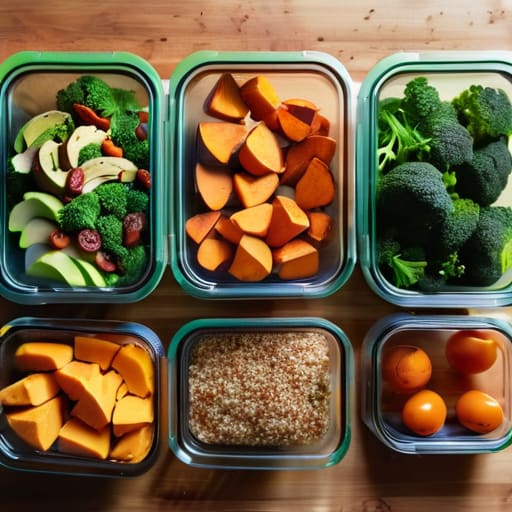
Honestly, the “Sunday Scaries” version of meal prepping—where you spend five hours chopping kale in a frantic rush—is a total system failure. Don’t do it. Instead, try “component prepping.” Just roast two trays of veggies, cook a big batch of grains, and prep two proteins while your coffee brews. It’s not about making finished meals; it’s about building a library of parts. You can assemble a functional plate in three minutes on a Tuesday.
How do I handle cravings or "fun" foods without totally blowing my system?
Look, I’m not a fan of the “all or nothing” mentality—it’s a recipe for a system crash. If you try to hard-code perfection, you’re going to glitch. Instead of banning your favorite snacks, treat them like scheduled maintenance. If you want the pizza, have the pizza, but don’t let it derail your entire baseline. Integrate it. A little bit of “fun” food won’t break your system if your foundation is solid.