Look, I’m going to be real with you: most DIY tutorials online feel like they were designed for people who live in perfectly curated, white-walled showrooms where nothing ever actually gets used. We’ve all seen those endless loops of “aesthetic” home decor that look great in a photo but serve absolutely zero purpose in a real, messy life. I’m tired of seeing people spend a fortune on trinkets that just collect dust, which is exactly why I wanted to dive into some actual concrete craft ideas that prioritize utility over everything. If you’re like me and you prefer a space that functions well rather than one that just looks like a staged set, you’re in the right place.
In this post, I’m breaking down eight specific projects that turn a bag of cheap cement into something that actually makes your daily routine smoother. We aren’t just making “decor”; we’re making functional tools for your desk, your kitchen, and your entryway. I’ll show you how to skip the complicated, gatekept techniques and just focus on creating pieces that actually work for you. Let’s get into it.
The "Where Are My Keys?" Catch-all
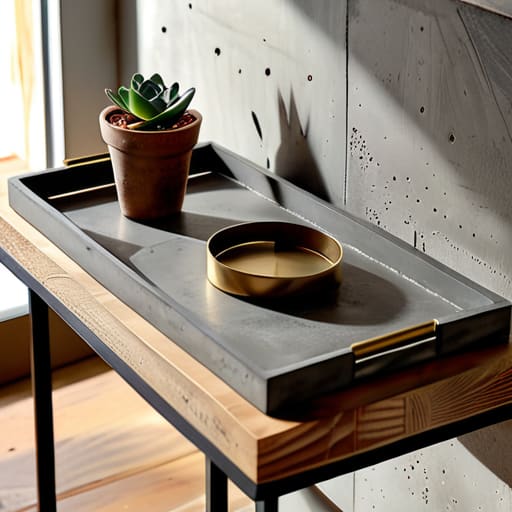
We’ve all been there—standing by the front door, frantically digging through a bag for keys that somehow vanished into thin air. Instead of buying some overpriced, gold-plated trinket dish from a boutique, I suggest casting a simple minimalist tray out of concrete. It’s heavy enough that it won’t slide around your entryway table, and it gives your EDC (everyday carry) a dedicated home so you can actually leave the house on time.
Desktop Tech Organizers
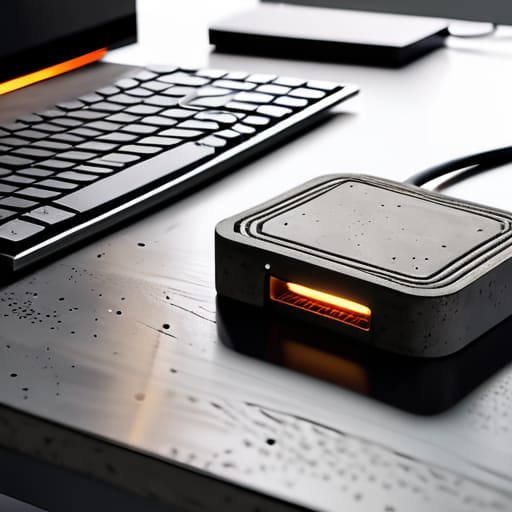
My desk is usually a graveyard of USB cables, SD cards, and random adapters, which is a total nightmare when I’m trying to focus on a system build. I started making these tiny concrete blocks with grooves carved into them to act as cable holders. They are heavy enough to anchor a cord in place, preventing that annoying “cable creep” where everything slides off the back of the desk the second you unplug your laptop.
Brutalist Plant Pots
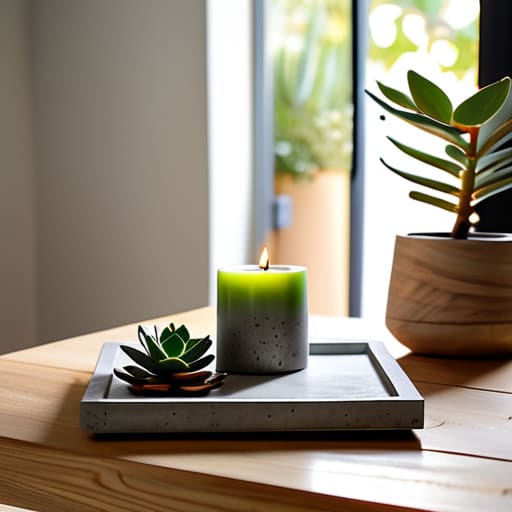
If you’re into indoor plants but hate the flimsy plastic pots that come from the nursery, concrete is your new best friend. I love making these because the weight provides a stable base for taller plants that might otherwise tip over in a breeze or if a pet bumps into them. There’s something really satisfying about the contrast between the raw, gray texture of the concrete and the vibrant green of a succulent.
The Ultimate Phone Stand
I spend half my life propping my phone up against a coffee mug or a stack of books just so I can watch a tutorial or follow a recipe. A DIY concrete phone cradle is a total game-changer for your kitchen or workspace. It’s a solid, unmoving piece of tech support that won’t wobble every time you tap the screen.
Industrial Candle Holders
Most store-bought candles feel a bit flimsy, and I’ve definitely knocked over a cheap glass holder more than once. Casting your own weighted candle bases is an easy way to add some mood lighting to your space without the fragility. I usually go for a chunky, geometric shape because it feels intentional and looks great on a bookshelf or a coffee table.
Heavy-Duty Bookends
If you have a collection of technical manuals or heavy textbooks, you know they have a tendency to slump over and turn your bookshelf into a mess. Standard store-bought bookends are often too light to actually do anything, but a solid concrete block provides the necessary mass to keep everything upright. It’s pure physics applied to home organization.
Soap Dishes That Actually Drain
There is nothing grosser than a bar of soap sitting in a pool of lukewarm water in a ceramic dish. I started making my own slotted concrete soap dishes because they are naturally moisture-resistant and much more durable than cheap plastic versions. The weight means they won’t slide around your sink while you’re lathering up.
Minimalist Coasters
I’ve gone through more coasters than I care to admit, mostly because they’re usually too light and slide around the moment you set a glass down. Concrete coasters are the solution because they have the perfect amount of friction and weight. They stay exactly where you put them, which is exactly what a tool should do.
Stop Overthinking and Start Casting
At the end of the day, whether you’re casting a heavy-duty desk organizer to tame your cable chaos or a simple succulent planter to brighten up a corner, the goal isn’t to create a museum piece. We’ve walked through everything from custom coasters to minimalist candle holders, and the common thread is that these projects succeed because they serve a specific purpose in your daily routine. You don’t need a professional studio or expensive molds to get started; you just need some basic concrete mix, a few repurposed containers from your recycling bin, and the willingness to get a little dusty. The beauty of working with concrete is that it’s inherently forgiving—if a piece comes out a little lopsided, it just adds to that functional, raw character that makes a home feel lived-in rather than staged.
My biggest piece of advice? Don’t let the fear of a messy workspace or a cracked finish stop you from trying. I’ve definitely ruined a few batches of mix in my own studio, but those “failures” usually taught me more about structural integrity than any YouTube tutorial ever could. Life is too short to wait for the perfect setup or the perfect tools to begin building the environment you want. Grab a bag of concrete, find a mold that actually fits your needs, and just start making things that work for you. You’ve got this.
Frequently Asked Questions
Do I really need specialized concrete, or can I just use whatever leftover stuff I find at a hardware store?
Look, I get the temptation to just grab whatever’s cheap and leftover, but please don’t do that if you’re making something small like a planter or a tray. Standard construction concrete is chunky and full of large aggregate; it’ll leave your project looking like a gravel pit. Grab a bag of “countertop mix” or a fine-sand craft concrete instead. It’s smoother, less prone to cracking, and actually looks intentional rather than accidental.
How do I stop these projects from leaving weird gray rings or stains on my actual furniture?
Look, I’ve definitely learned this the hard way: concrete is basically a thirsty sponge for oils and moisture. To protect your actual furniture, don’t just rely on the sealer that comes in the kit. Grab a high-quality penetrating sealer—it sinks into the pores rather than just sitting on top. Also, always use a cork or felt coaster underneath your finished pieces. It’s not about being precious; it’s just about making sure your DIY doesn’t ruin your desk.
Is there a way to make the finished pieces look less "industrial" and a bit more polished without spending a ton of money?
Honestly, the “raw” look isn’t for everyone, and that’s fine. If you want to ditch the brutalist vibe without breaking the bank, grab some fine-grit sandpaper. Sanding the edges smooths out those harsh lines immediately. For a polished finish, skip the expensive resins and just use a bit of beeswax or a matte sealer. It gives it a soft, high-end feel rather than a construction-site look, all for a few bucks.
What’s the best way to get rid of those annoying tiny air bubbles on the surface once the concrete sets?
Ugh, the dreaded pinholes. I’ve definitely stared at a “perfect” tray only to see a cluster of tiny bubbles ruining the finish. Honestly, the best way to handle it is prevention: tap your mold gently on the table after pouring to shake them up. If they’re already there once it’s dry, don’t panic. Just grab some fine-grit sandpaper to smooth it out, or use a tiny bit of leftover concrete slurry to fill them in.