I used to think that if I couldn’t build a hand-carved mahogany dining table by my second weekend with a saw, I just wasn’t “cut out” for DIY. I’d scroll through social media and see these perfectly staged workshops that made me feel like my cluttered apartment was a crime scene. But here’s the truth: most of that polished perfection is a lie. You don’t need a massive studio or a degree in fine arts to start making things that actually serve a purpose in your life. The real magic happens when you stop overthinking and start tackling beginner woodworking projects that focus on utility over aesthetics.
I’m tired of the gatekeeping that makes people think they need a thousand-dollar tool kit just to make a shelf. In this post, I’ve rounded up eight specific projects that are designed to get you moving without the unnecessary stress. We’re skipping the complex joinery and focusing on builds that will actually organize your space and boost your confidence. By the end of this, you won’t just have a list of ideas; you’ll have a roadmap to building a functional home, one simple piece at a time.
The "I Can't Believe I Made This" Floating Shelf
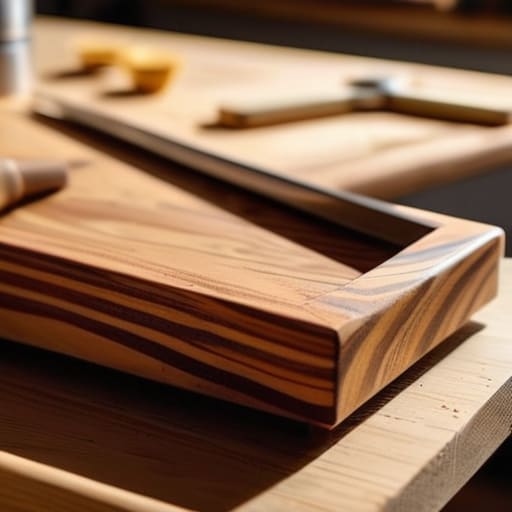
If your walls are looking a little naked, don’t go out and spend eighty bucks on some flimsy particle board from a big-box store. A simple floating shelf is the perfect entry point because it teaches you the basics of measuring twice and leveling things out without requiring a massive workshop. You just need a few decent boards, some wood glue, and the right brackets to make sure your stuff doesn’t end up on the floor.
The Minimalist Desk Organizer
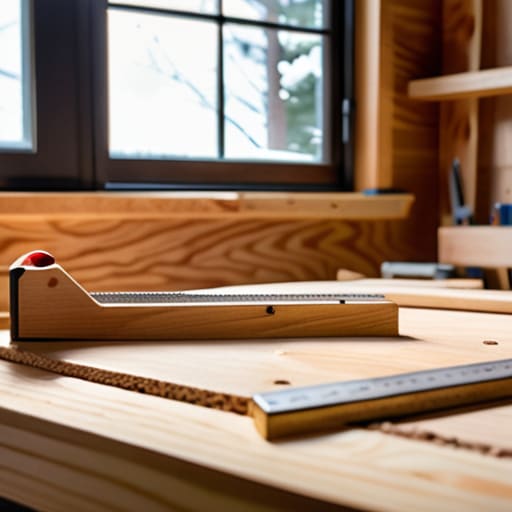
My workspace is usually a chaotic mix of loose cables, SD cards, and half-empty coffee mugs, so I learned pretty quickly that I needed a system. Building a small, modular desk organizer is a great way to practice precision cutting. You aren’t building a dining table here; you’re just making small compartments that keep your daily essentials from migrating across your desk like a slow-moving tide.
A Sturdy Low-Profile Plant Stand
There is something incredibly satisfying about taking a ceramic pot and giving it a custom home. A basic X-frame or a simple four-legged plant stand is a killer beginner project because it introduces you to the concept of structural integrity. You’ll learn how to join pieces of wood so they don’t wobble every time you walk past them, which is a vital skill for anything bigger down the road.
The Essential Cutting Board
This is basically the “Hello World” of woodworking. Making a cutting board forces you to pay attention to grain direction and how wood reacts to moisture, which is pretty fundamental stuff. You don’t need a massive slab of exotic hardwood to start; even some decent butcher block scraps can be turned into something incredibly useful for your kitchen.
A Custom Tech Charging Station
Since I’m constantly juggling dongles, power banks, and cables, I realized a standard charging station just wasn’t cutting it for my setup. Building your own allows you to tailor the dimensions to your exact hardware. You can carve out specific slots for your phone or even build in a hidden compartment to tuck away those messy power bricks.
The Rustic Entryway Key Hook
We’ve all been there—standing by the front door, frantically digging through a bag for keys that we definitely put somewhere. A simple wooden plaque with a few sturdy hooks is the ultimate “fix it” project for your daily routine. It’s small, fast, and gives you immediate gratification because you can actually use it the same day you finish it.
A Minimalist Monitor Riser
If you work from a laptop or a low monitor, your neck is probably paying the price. A monitor riser is a functional win that helps with ergonomics while also creating extra storage space underneath for your keyboard or notebooks. It’s a straightforward build that relies heavily on accurate measurements to ensure your gear actually fits.
The "Everything" Side Table
This is where you step up from “small crafts” to “actual furniture.” A side table is a fantastic way to test your ability to build something that needs to hold weight and stand the test of time. It’s a bit more intimidating than a key hook, but the payoff of having a custom piece of furniture in your living space is unmatched.
Stop Overthinking and Start Building
Look, if you’ve made it through this list, you already know that you don’t need a professional-grade workshop or a degree in carpentry to make something useful. Whether you went with the simple floating shelves or tackled a basic spice rack, the goal wasn’t to create a masterpiece for a high-end furniture catalog; it was to actually make something with your own two hands. We covered everything from basic joinery to just getting comfortable with a drill, and the most important takeaway is that these projects are just stepping stones. The goal is to build a foundation of functional skills that stay with you long after the sawdust has been swept up.
At the end of the day, I want you to embrace the inevitable mistakes—the slightly crooked cut or the screw that went in a bit too deep. Those aren’t failures; they’re just part of the process of learning how your tools actually behave in the real world. Don’t let the fear of a messy workspace or a “imperfect” finish keep you from picking up a saw. Once you realize that you have the power to fix and create your own environment, everything changes. So, grab your multi-tool, clear off a spot on the floor, and just start building something that makes your life a little bit easier.
Frequently Asked Questions
Do I really need a full workshop to start, or can I actually do this in a tiny apartment?
Look, I grew up in a cramped apartment, so I get the anxiety. You absolutely do not need a garage full of heavy machinery to start. Honestly, a dedicated “workshop” is often just a collection of clutter you haven’t organized yet. Grab a sturdy folding table, a decent set of hand tools, and maybe a small cordless drill, and you’re golden. Just focus on projects that fit your footprint—don’t let a lack of square footage kill your momentum.
What are the absolute "must-have" tools that won't break my bank account immediately?
Look, you don’t need a $500 table saw to start making cool stuff. Honestly, the “pro” gear is usually just marketing fluff when you’re starting out. Grab a decent cordless drill, a basic circular saw, a speed square, and a solid tape measure. If you can afford one more thing, get a set of quality wood chisels. Stick to mid-range brands—they’re reliable enough to get the job done without draining your savings.
How do I deal with wood grain and knots without feeling like I'm totally ruining the piece?
Look, I get it. You spend hours sanding, only to see a massive knot or a weird grain swirl staring back at you like a mistake. But here’s the truth: those aren’t flaws, they’re character. Don’t try to sand them into oblivion—you’ll just ruin the structural integrity. Instead, lean into it. Use a clear matte finish to let the natural texture shine, or if a knot is really bothering you, embrace the “perfectly imperfect” vibe. It’s real wood, not plastic.
Is it better to stick to softwoods like pine for my first few projects, or should I jump straight into something more durable?
Honestly? Stick to the pine. Look, I get the urge to go big and buy that gorgeous oak, but hardwood is expensive and way less forgiving if you mess up a cut. Since you’re just starting, you’re going to make mistakes—I definitely did. Softwood is cheap, easy to sand, and won’t break your heart (or your wallet) when you inevitably miscalculate a measurement. Get those early wins under your belt first.