Stop wasting your money on $500 “focus” timers or those aesthetic, minimalist desk setups that look great on a Pinterest board but actually make you want to nap. Honestly, the productivity industry loves to sell you a lifestyle, but most of that gear is just expensive clutter. If you’re looking for a magic pill or a high-tech gadget to solve your brain fog, you’re looking in the wrong place. Learning how to avoid distractions isn’t about buying a new piece of hardware; it’s about building a functional system that survives the chaos of real life.
I’m not going to give you a list of “life hacks” that require three hours of setup and a subscription fee. Instead, I’m sharing the actual, low-tech methods I use to stay on track while I’m deep in a systems migration or elbow-deep in a vintage synth repair. We’re going to focus on practical, zero-cost tweaks to your environment and your digital habits that actually stick. No fluff, no gatekeeping—just the straightforward stuff that helps you get things done.
Ditch the Perfect Desk for Managing Cognitive Load

I see these “aesthetic” desk setups all over my feed—minimalist white surfaces, single plants, and perfectly coiled cables. They look great in a thumbnail, but they’re a total lie. Most of us are working in real life, which means we have mail, half-empty coffee mugs, and probably a tangle of chargers nearby. If you spend all your time trying to curate a Pinterest-worthy workspace, you’re just adding another task to your plate. Instead of chasing perfection, focus on managing cognitive load by clearing only what’s actually stealing your attention. If a stack of papers is making your brain itch, move it. If your dual-monitor setup is actually causing more chaos than clarity, simplify it.
The goal isn’t to have a museum-grade desk; it’s to create a low-friction environment. I’ve found that reducing visual noise is one of the most underrated productivity hacks for focus. When your physical space is a cluttered mess, your brain is constantly processing that extra data in the background, even if you don’t realize it. You don’t need a $500 ergonomic setup to start improving concentration at work; you just need a surface that doesn’t feel like it’s screaming at you. Clear the immediate radius of your keyboard, keep your essential tools within reach, and let the rest be messy if it has to be.
Practical Digital Detox Strategies That Actually Stick
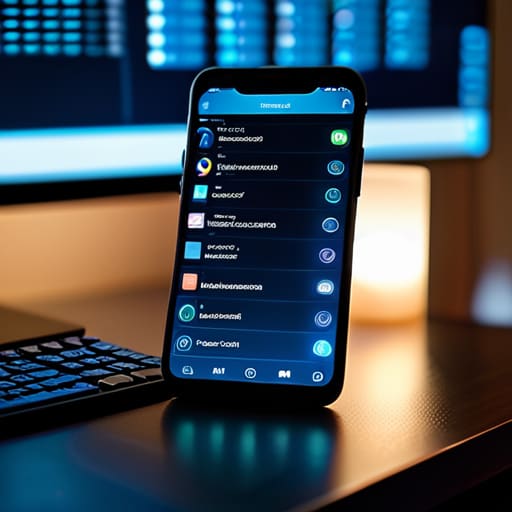
Look, I’m the first person to admit that my phone is a dopamine-fueled siren song. I’ve tried those extreme “digital detox strategies” where you throw your device in a drawer for a week, but let’s be real: that’s not sustainable for anyone with a job or a social life. Instead of going scorched earth, I focus on aggressive boundary setting. I move all my “infinite scroll” apps—the ones that eat my time like a black hole—to the very last page of my phone, tucked inside a folder I have to actually work to find. If I have to consciously search for Instagram, I’m much less likely to open it reflexively while I’m supposed to be troubleshooting a server.
Another thing that actually works for me is treating my browser tabs like physical clutter. If I have twenty tabs open, my brain treats it like a messy, unorganized workshop—it’s visually loud and exhausting. I’ve started using a “one-task-one-window” rule to help with improving concentration at work. When I need to dive into a project, I close everything that isn’t essential to that specific thread. It’s not about being a monk; it’s about minimizing the friction between you and the task you actually want to finish.
Five low-effort hacks to reclaim your focus
- Stop treating your notifications like emergency alerts. Turn off everything that isn’t a direct text or call from a human being; your Instagram likes and news alerts can wait until you’ve actually finished your task.
- Use the “Single-Tab Rule” when you’re deep in a project. If you have twenty tabs open, you aren’t multitasking, you’re just inviting chaos into your brain. Close everything except the one thing you’re actually working on.
- Set up a “physical landing strip” for your phone. When you start a deep work session, put your phone in another room or at least inside a drawer. If you can’t see the screen light up, your brain won’t subconsciously wait for the dopamine hit.
- Audit your “open loops.” If a random thought pops up—like needing to buy milk or checking a tracking number—don’t follow the rabbit hole. Write it down on a physical scrap of paper and get back to work; you’ve offloaded the memory so your brain can let it go.
- Build a “focus ritual” that signals to your nervous system it’s time to work. For me, it’s putting on a specific lo-fi playlist or grabbing a fresh glass of water. It sounds small, but it creates a mental boundary between “scrolling time” and “doing time.”
Stop chasing perfection and start building systems
At the end of the day, avoiding distractions isn’t about finding some magical, zen-like state where your phone never pings and your brain is a perfectly organized hard drive. It’s about the small, tactical shifts we talked about: lowering your cognitive load by simplifying your physical space and setting digital boundaries that actually respect your attention span. You don’t need a $500 ergonomic setup or a complete social media blackout to be productive. You just need to stop fighting your environment and start building a system that works with your actual habits, not the idealized version of yourself you see on Instagram.
If you feel like you’ve failed because you got distracted halfway through a task today, don’t sweat it. Even with my best systems in place, I still find myself spiraling down a rabbit hole when I should be debugging a server. The goal isn’t to become a productivity robot; it’s to make it easier to get back on track when life inevitably gets messy. Focus on the tools and the routines that make your day feel manageable, and let the rest go. You’ve got this.
Frequently Asked Questions
How do I stop the urge to check my phone when I'm deep in a flow state?
Look, I get it. That phantom vibration in your pocket is real. When you’re deep in a flow state, your brain is craving a hit of dopamine, and your phone is the easiest supplier. My fix? Physical distance. Don’t just flip it over; put it in another room or a drawer. If it’s not in your line of sight, you stop subconsciously negotiating with yourself about whether “just one quick check” is okay.
I've tried focus apps before and they just become another distraction; is there a way to do this without more software?
Honestly, I get it. Most “productivity” apps are just another layer of digital noise that ends up eating your attention. If you want to ditch the software, go analog. Try the “Phone in Another Room” rule—physical distance is more effective than any app blocker. Also, try a simple paper timer or a physical kitchen timer. When the ticking starts, you work. It’s tactile, it’s low-tech, and it doesn’t ping you with notifications.
How do I handle unexpected interruptions from family or roommates when I'm trying to work?
Look, I grew up in a tiny apartment, so I get it—”deep work” is a myth when someone keeps walking in to ask where the extra lightbulbs are. Don’t try to fight them; just signal them. I use a physical “on-air” light on my desk or even just a specific pair of oversized headphones. It’s a visual boundary that says, “I’m in the zone, please don’t break my flow.” Establish the signal, then communicate the rules.
Does "digital detoxing" actually work for long-term focus, or is it just a temporary fix?
Look, if you think a weekend of camping without your phone is going to magically rewire your brain for deep work, I hate to break it to you: it won’t. A detox is just a reset button; it’s a temporary patch. To actually fix your focus, you need better systems, not just more silence. Stop treating your attention like something you can “cleanse” and start building digital boundaries that actually stick when you’re back online.