I am so tired of seeing those $50 linen-bound journals with gold-leaf edges being sold as the ultimate secret to a perfect life. If you think buying a specific brand of paper is going to magically fix your chaotic schedule, you’re being sold a lie. I spent way too much time in my early twenties thinking that journaling for productivity required a dedicated aesthetic setup and a perfect fountain pen, only to realize I was just procrastinating with prettier stationery. Real systems aren’t about how the notebook looks on your coffee table; they’re about whether or not they actually stop your brain from leaking information when you’re mid-task.
I’m not here to teach you how to make a “vision board” or write long, flowery entries about your feelings if that’s not what you need. Instead, I want to show you how to use a notebook as a functional tool—something as reliable as a multi-tool in your pocket. I’m going to share the stripped-back, messy, and highly effective methods I use to manage my freelance workload and keep my head above water. We’re going to focus on systems that actually work in the real world, regardless of how “aesthetic” they look.
Why Your Pretty Notebooks Are Failing You
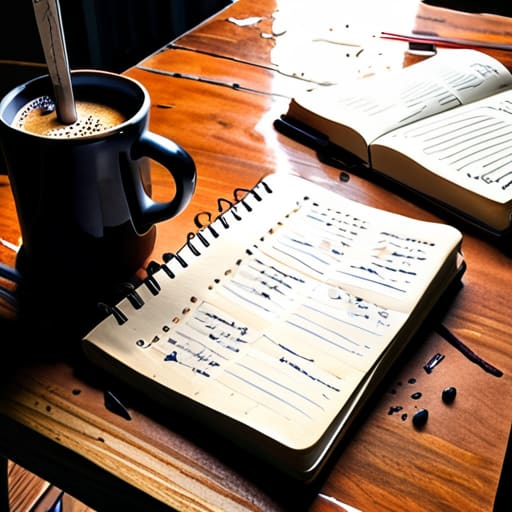
Look, I get the appeal. You see these aesthetic reels of someone using a $40 linen-bound notebook, sipping matcha, and writing in perfect calligraphy, and you think, “If I buy that, my life will finally feel organized.” But here’s the reality check: a beautiful notebook is just a high-end paperweight if you’re too intimidated to actually use it. When you treat your journal like a sacred art piece, you stop being honest with it. You start skipping days because you don’t have the “right” pen, or you avoid writing down the messy, chaotic tasks that actually matter because they’ll ruin the vibe of the page.
The problem is that you’re prioritizing the look over the utility. If you’re spending twenty minutes decorating a header instead of actually practicing reflective journaling for efficiency, you aren’t being productive—you’re just procrastinating with stationery. A tool is meant to be used, scratched up, and filled with messy scribbles. I’ve spent more time fixing broken circuits in old synths than I have making things look “perfect,” and I can tell you: functionality always wins. If your journal doesn’t help you clear the mental clutter, it’s just more expensive junk taking up space in your bag.
Morning Pages for Focus Without the Fluff

If you’ve ever sat down with a cup of coffee, staring at a blank page while your brain screams about a dozen different deadlines, you’ve probably felt the pressure to make your writing “meaningful.” Forget that. I use morning pages for focus as a way to dump the mental clutter before it turns into a mid-day meltdown. It’s not about profound realizations or poetic prose; it’s about a tactical brain dump. When I write down every single tiny thing stressing me out—from that weird noise my server is making to the fact that I forgot to buy milk—it stops looping in my head.
Once the chaos is out of my skull and onto the paper, I transition into something more structured. This is where I bridge the gap between mindfulness and task management. I don’t just leave the mess there; I look at the list and pick the three things that actually matter for the day. By treating my journal as a way to offload cognitive load rather than a place for deep soul-searching, I can actually move into my work with a clear head. It’s about clearing the cache in your brain so your processor can actually run the important programs.
5 Low-Maintenance Ways to Make Journaling Actually Work
- Stop trying to “plan your life” and just do a brain dump. When my head feels like a browser with fifty tabs open, I grab my notebook and write down every single tiny thing stressing me out—from “fix the router” to “buy milk.” Once it’s on paper, my brain can finally stop looping the same three tasks.
- Use a “Done List” instead of a “To-Do List.” We all know the crushing feeling of looking at a checklist of ten things and only finishing two. Instead, write down everything you actually accomplished throughout the day. It builds momentum and proves you weren’t actually being lazy; you were just busy with things that weren’t on your list.
- The 3-Task Rule is your new best friend. If you write down twenty tasks for the day, you’re setting yourself up for a meltdown. Pick three non-negotiables. If you finish those, cool, you can do more—but if you only hit those three, the day is still a win.
- Time-block your chaos. Don’t just write “work on project”; write “10:00 AM – 11:30 AM: Project X.” Giving a task a physical home in your schedule makes it feel real and, more importantly, makes it much harder to procrastinate by scrolling through TikTok.
- Keep your journal where you actually live, not where you think a “productive person” would keep it. If you’re a night owl, keep it on your nightstand. If you work from a desk, keep it right next to your keyboard. If you have to go hunting for your notebook every time you want to use it, you’re never going to do it.
Stop Curating, Start Doing
At the end of the day, journaling for productivity isn’t about achieving some Zen-like state or having a collection of fountain pens that look good on a desk. It’s about building a functional system that clears the mental clutter so you can actually focus on the work that matters. We’ve covered why those expensive, leather-bound journals are often just distractions, how to use Morning Pages to dump your brain’s “background processes” before they slow you down, and why the best tool is usually the one you actually use. Whether it’s a cheap spiral notebook or a basic notes app on your phone, the goal is to strip away the friction between your thoughts and your actions.
Don’t wait until you have the “perfect” setup to start. If you spend more time researching productivity hacks than actually doing the work, you’re just procrastinating in a more organized way. Grab whatever pen is closest to you, find a scrap of paper, and just start getting the chaos out of your head. Productivity isn’t about being a machine; it’s about making your life work for you instead of the other way around. Now, close this tab, put your phone on Do Not Disturb, and go get something done.
Frequently Asked Questions
I don't have twenty minutes every morning; is there a way to do this that actually fits into a chaotic schedule?
Look, I get it. Some mornings feel like you’re already behind before your feet even hit the floor. Forget the twenty-minute ritual; that’s just another chore on your to-do list. Try “Micro-Journaling” instead. Grab your phone or a scrap of paper while your coffee brews and just jot down three things: one win from yesterday, your absolute non-negotiable task for today, and one thing that’s draining your battery. Done in sixty seconds. Keep it functional.
How do I stop my journal from turning into a giant, disorganized brain dump that I never look at again?
The problem is you’re treating your journal like a trash can instead of a dashboard. If everything goes in, nothing stands out. Start using a “Review and Tag” system. Every Sunday, spend ten minutes scanning your entries. Circle the actual tasks, underline the big ideas, and cross out the mindless venting. If it’s not actionable or insightful, it’s just noise. Turn that clutter into a searchable database for your brain.
Do I really need a specific type of pen or paper, or can I just use whatever's lying around my desk?
Look, if you’re waiting for the “perfect” fountain pen to arrive before you start, you’re just procrastinating. Seriously. Use the chewed-up ballpoint you found in your junk drawer or a scrap of a receipt if you have to. The goal is to get the thoughts out of your head and onto a surface. A fancy notebook is just a distraction if it makes you too intimidated to actually write. Just grab whatever is within reach and go.
How do I know if my journaling is actually helping my productivity or if I'm just using it as a way to procrastinate on my real work?
Look, if you spend forty minutes color-coding a habit tracker instead of actually doing the task, you’re just procrastinating with extra steps. It’s called “productive procrastination,” and it’s a trap. Real journaling should feel like a system update—quick, functional, and clearing out the cache. If you finish a session feeling lighter and knowing exactly what your next move is, it’s working. If you feel more overwhelmed or just “busy” without progress, put the pen down and go work.