I’m so tired of seeing “productivity gurus” sell these $50 planners and complex biohacking protocols that claim to revolutionize your life. Seriously, if your version of energy management requires a color-coded spreadsheet and a subscription to a meditation app just to get through a Tuesday, the system is broken. I spent years trying to optimize every waking second like I was debugging a piece of faulty code, only to realize that true efficiency isn’t about doing more; it’s about not running your internal battery down to zero by noon because you’re chasing a version of perfection that doesn’t actually exist.
I’m not here to give you a curated aesthetic or a list of expensive habits that look good on a mood board. Instead, I want to share the actual, messy systems I use to keep my brain from crashing while I’m balancing freelance gigs and hardware repairs. We’re going to focus on practical, low-maintenance strategies that respect your time and your mental bandwidth. No fluff, no gatekeeping—just straightforward ways to manage your energy so you can actually live your life instead of just managing your exhaustion.
Finding Your Biological Prime Time

We’ve all been there: you sit down at 10:00 AM, fueled by a massive coffee, ready to conquer the world, only to find yourself staring blankly at a spreadsheet forty minutes later. The problem usually isn’t your willpower; it’s that you’re fighting your own biology. To fix this, you need to identify your biological prime time. This is that specific window during the day when your brain is actually firing on all cylinders and your focus feels effortless. Instead of forcing yourself into a rigid 9-to-5 grind that ignores how you actually function, try paying attention to when your brain feels “sharp” versus when it feels like it’s running on low-battery mode.
I started doing some basic energy expenditure tracking—nothing fancy, just a quick note in my digital planner whenever I felt a spike or a dip in focus. I realized I was trying to tackle complex system migrations in the late afternoon, which is exactly when my brain decides it’s done for the day. By aligning my hardest tasks with my peak alertness, I can practice better cognitive load management. Basically, save the deep, heavy lifting for your high-energy windows and leave the mindless admin or email sorting for those inevitable mid-afternoon slumps.
Stop Ignoring Your Natural Circadian Rhythm Optimization
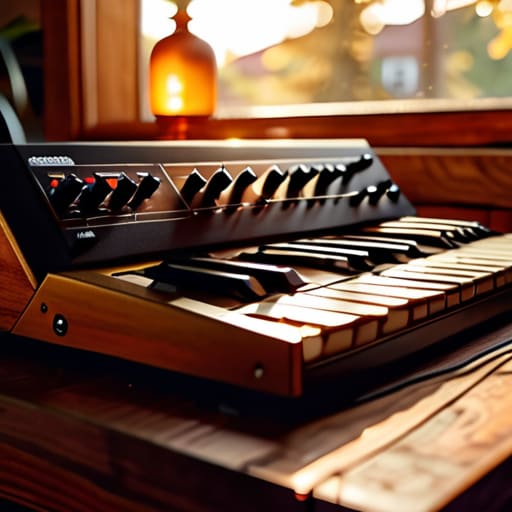
Look, I know the “grind culture” influencers love to talk about pulling all-nighters to crush your goals, but honestly? That’s just a fast track to burnout and bad code. Your body isn’t a machine you can just overclock whenever you feel like it; it’s more like one of those vintage synths I restore—if you push the voltage too hard without respecting its internal timing, things are going to start glitching. Real circadian rhythm optimization isn’t about some expensive sunrise lamp; it’s about acknowledging that your brain has a built-in clock that dictates when you should be deep-diving into complex tasks and when you should probably just be folding laundry.
If you’re staring at a screen at 11 PM trying to solve a problem that’s clearly beyond you, you aren’t being productive—you’re just fighting a losing battle against your own biology. This is where cognitive load management becomes your best friend. Instead of forcing your brain to perform high-level logic when it’s screaming for sleep, try aligning your hardest work with those natural windows of alertness we talked about earlier. When you stop fighting your internal clock and start working with it, you’ll notice that the “brain fog” starts lifting, and you’ll actually get more done in four focused hours than you ever did in eight hours of caffeinated struggling.
Five Low-Maintenance Systems to Stop the Burnout Cycle
- Stop treating your brain like a browser with 50 tabs open. If a task takes less than two minutes, do it immediately; if it doesn’t, get it out of your head and into a simple task manager so you aren’t wasting mental RAM trying to remember it.
- Audit your digital friction. If you’re constantly getting distracted by notifications that don’t actually matter, turn them off. A silent phone isn’t “missing out,” it’s protecting your focus.
- Build a “shutdown ritual” for your workspace. When you’re done for the day, clear your desk, close your tabs, and physically walk away. You need a clear signal to your brain that the “work system” is offline so you can actually recharge.
- Stop relying on caffeine to fix a lack of sleep. It’s just a high-interest loan on your energy that you’ll have to pay back with interest later. Focus on hydration and actual rest instead of just masking the fatigue.
- Learn to say “no” to low-value tasks. Not every request deserves your bandwidth. Protect your energy like it’s a finite resource—because, honestly, it is.
Stop Fighting Your Own Hardware
At the end of the day, energy management isn’t about squeezing every last drop of productivity out of your brain like some high-performance machine. It’s about recognizing that you actually have a biological operating system that needs maintenance. We’ve covered how to track your biological prime time, how to respect your circadian rhythms, and why fighting your natural peaks and valleys is a recipe for burnout. If you try to force deep, complex work during your mid-afternoon slump, you’re just wasting CPU cycles. Instead, work with your biology, not against it, by matching your hardest tasks to your highest energy windows and letting the low-power moments be for the mindless stuff.
Look, I know the pressure to be “on” 24/7 is intense, especially when you see people online posting their perfectly curated, five-a.m. morning routines. But honestly? That’s just noise. Real life is messy, and your energy levels will fluctuate. The goal isn’t to achieve a state of constant, unshakeable productivity; it’s to build a functional system that allows you to thrive even on the days when you’re running on low battery. Stop chasing that impossible standard of perfection and just focus on making your life actually work for you. You’ve got this.
Frequently Asked Questions
How do I figure out my biological prime time if my work schedule is totally unpredictable or shifts every week?
Look, I get it. If you’re working shifts or freelancing on chaos, a rigid schedule is a joke. Don’t try to force a 9-to-5 rhythm. Instead, treat yourself like a piece of hardware: track your “system performance” for three days. Note when your brain feels sharp versus when you’re just staring at a screen. Even with a shifting schedule, you’ll start to see patterns in your cognitive peaks. Work with those windows, not against them.
What do I do when my natural rhythm says "sleep" but my boss or my deadlines say "grind"?
Look, I’ve been there—staring at a terminal at 2 AM while my brain is basically a dial-up modem. When the grind hits the wall of your biology, stop trying to power through with pure willpower; it’s a losing battle. Instead, triage. If it’s a non-negotiable deadline, use a “micro-burst” strategy: 25 minutes of intense focus, then a 10-minute reset. If you can, negotiate. A rested brain finishes in an hour what a sleep-deprived one struggles with for four.
Are there any simple, low-effort ways to fix my circadian rhythm if I’ve already messed it up with late-night scrolling?
Look, I’ve been there—staring at a blue-light screen at 2 AM when I should’ve been offline hours ago. Don’t try a total lifestyle overhaul overnight; you’ll just burn out. Start small: grab some blue light blockers or, better yet, set a “digital sunset” where your phone goes on a charger across the room 30 minutes before bed. Also, get some actual sunlight in your eyes first thing in the morning. It resets the system.
How can I tell the difference between actual burnout and just having a low-energy afternoon?
Here’s the thing: a low-energy afternoon is a glitch; burnout is a system failure. If you take a nap, eat a real meal, or step away from your screen and feel human again, you’re probably just tired. But if you wake up from a full night’s sleep still feeling heavy, cynical, or like your brain is running on 1% battery despite your best efforts? That’s burnout. Don’t mistake a temporary dip for a total crash.