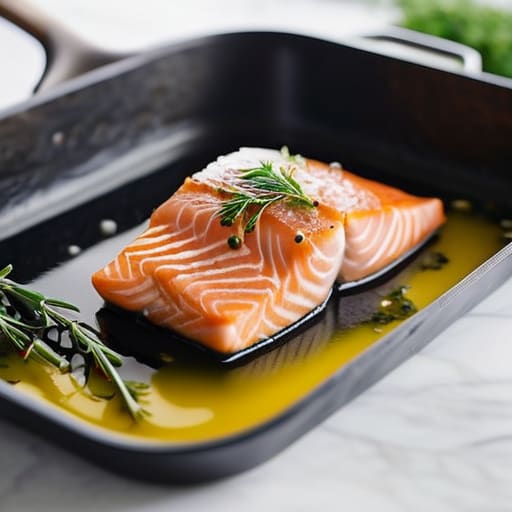
I used to think that learning how to cook fish required a culinary degree and a kitchen full of specialized gadgets that cost more than my first laptop. Every recipe I found online was either a high-maintenance nightmare or filled with pretentious jargon about “searing to perfection” that felt more like a chore than a meal. I spent way too many nights staring at a piece of salmon, terrified that I was one wrong move away from creating a rubbery, inedible mess that would smell like a shipwreck for three days.
Look, I’m not here to teach you how to plate a Michelin-star meal or use tools you’ll only use once. I’m here to give you a functional system that actually works when you’re tired and hungry. We’re going to strip away the fluff and focus on the logic of heat and timing so you can stop guessing. By the end of this, you’ll know exactly how to cook fish without the stress, using nothing more than basic gear and a bit of common sense.
Ditch the Stress Selecting the Best Fish for Beginners
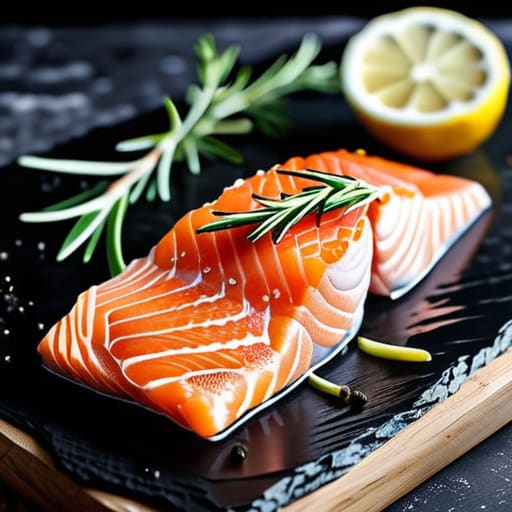
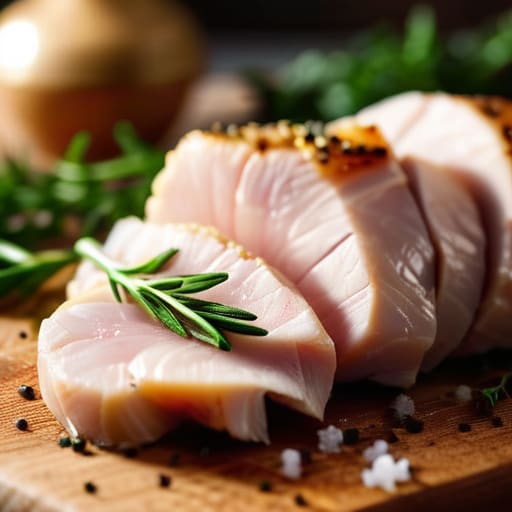
Look, the seafood aisle can feel like a high-stakes interrogation if you aren’t prepared. You’re standing there staring at a wall of translucent fillets, wondering if you’re about to waste twenty bucks on something that’s going to taste like a rubber band. My advice? Keep it simple and start with something forgiving. When I’m looking for the best fish for beginners, I always steer toward salmon or cod. Salmon is basically the “plug-and-play” of the ocean; it has enough fat to stay juicy even if you overcook it by a minute. Cod, on the other hand, is a blank canvas that takes on flavors incredibly well without being intimidating.
Don’t let the “freshness” debate paralyze you, either. While everyone obsesses over the catch of the day, I’ll let you in on a little secret: frozen fish is often more consistent. If you’re shopping at a standard grocery store, a high-quality frozen fillet is frequently safer and more predictable than “fresh” fish that’s been sitting on ice for three days. Just make sure you follow a few fresh vs frozen fish tips, like thawing it completely in the fridge overnight so it cooks evenly rather than steaming in its own juices. Stick to the basics, and you’ll stop treating dinner like a technical crisis.
Fresh vs Frozen Fish Tips for a Functional Kitchen
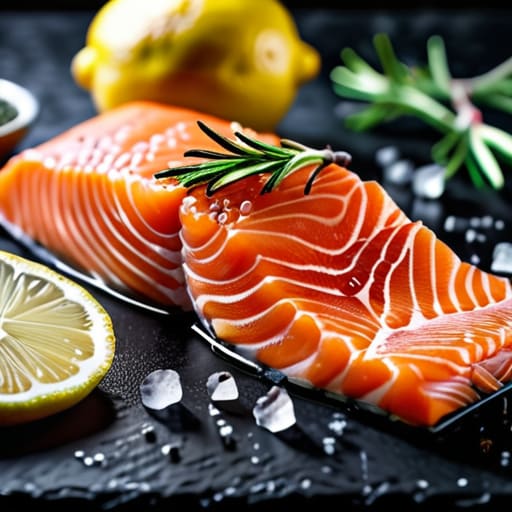
Here’s the truth: if you’re like me and your schedule is a constant game of whack-a-mole, you’re probably going to rely on the freezer more than the fresh counter. There’s this weird stigma that frozen is “lesser,” but honestly? High-quality frozen fillets are often flash-frozen at sea, which preserves the texture better than a piece of “fresh” fish that’s been sitting in a grocery store display for three days. My personal fresh vs frozen fish tips rule of thumb is simple: if you aren’t cooking it within 24 hours of buying it, just buy it frozen. It’s more efficient, it’s cheaper, and it actually fits a functional kitchen workflow.
The real trick is the prep. If you’re working with frozen fillets, do not—I repeat, do not—throw them straight into a hot pan. You’ll end up with a watery, lukewarm mess that ruins the texture. Thaw them slowly in the fridge overnight, or use a cold water bath if you’re in a rush. Once they’re thawed, pat them bone-dry with a paper towel. This is the single most important step for preventing fish from sticking to pan and ensuring you actually get that crispy, golden crust instead of a sad, steamed grey slab.
Stop Guessing and Start Cooking: 5 Rules for Not Ruining Your Dinner
- Get your pan hot before the fish even touches it. If you drop a piece of fillet into a lukewarm pan, you’re not searing it; you’re basically boiling it in its own juices, and the texture will be mushy and sad.
- Pat that fish bone-dry with a paper towel. Moisture is the enemy of a good crust. If the surface is wet, it’ll steam instead of crisping up, and nobody wants a soggy piece of salmon.
- Stop poking it. I know it’s tempting to flip the fish every thirty seconds to see if it’s done, but you need to leave it alone. Let it develop that golden-brown crust; if you keep moving it, it’ll just fall apart into a mess of flakes.
- Use a meat thermometer if you’re feeling anxious. You don’t need to play “guess the doneness” by cutting into the thickest part and letting all the juices escape. Aim for an internal temp of 145°F (63°C) and call it a win.
- Keep your seasoning simple. You don’t need a spice rack full of exotic blends to make this work. Salt, pepper, and maybe a squeeze of lemon or a knob of butter at the end is all you really need to let the actual flavor of the fish shine.
Stop Overthinking the Plate
Look, at the end of the day, cooking fish isn’t some high-stakes chemistry experiment that requires a culinary degree. We’ve covered the essentials: pick something you actually like eating, don’t be afraid to lean on high-quality frozen fillets if they save you a trip to the market, and for the love of everything, get a decent pan so you aren’t fighting a losing battle with stuck skin. If you follow a basic system—prep your seasoning beforehand, get your heat right, and don’t overcook it until it’s dry—you’re already ahead of 90% of the people staring blankly at a recipe online. It’s about functional cooking, not performing for an audience.
My goal isn’t to turn you into a Michelin-starred chef; it’s to make sure you can feed yourself a nutritious, delicious meal without feeling like your kitchen is a disaster zone. Don’t let the fear of a little mess or a slightly imperfect sear stop you from trying something new. The more you do it, the more you’ll realize that mastery is just repetition without the ego. So, grab your spatula, trust your instincts, and just start cooking. You’ve totally got this.
Frequently Asked Questions
How do I actually tell if the fish I just bought is still good to eat?
Look, don’t just trust the “sell by” date; that’s just a suggestion. Use your senses. If it smells like a heavy ocean or, god forbid, something ammonia-like, put it back. You want a clean, mild scent. Check the texture, too—give it a gentle poke. It should spring back. If your finger leaves a permanent dent, the proteins are breaking down and it’s past its prime. If it looks slimy rather than moist, walk away.
Is it worth buying those expensive specialized fish thermometers, or can I just use a fork?
Look, if you’re trying to build a functional kitchen, don’t go out and drop fifty bucks on a specialized fish thermometer you’ll use twice a year. It’s just more clutter. Honestly? A decent digital meat thermometer is a better investment for everything else, but for fish, the “fork test” works fine if you’re careful. Just twist a fork into the thickest part; if it flakes easily, you’re golden. Keep it simple.
What’s the easiest way to clean and prep a whole fish without making a massive mess in my kitchen?
Look, I get it. The idea of scaling and gutting a fish feels like a recipe for a kitchen disaster. Here’s my hack: do the messy work in a large, rimmed baking sheet lined with heavy-duty paper towels. It catches the scales and fluids before they hit your counters. If you can, prep it over the sink with a colander underneath to catch the runoff. Keep your knife sharp and your workspace tight—less movement, less mess.
How do I stop my entire apartment from smelling like a seafood market for the next three days?
Look, we’ve all been there—you cook one piece of salmon and suddenly your living room feels like a pier in July. First, don’t just toss the scraps in the trash; bag them tight and get them out of the house immediately. For the lingering scent, skip the heavy floral sprays that just create a “perfumed fish” vibe. Instead, simmer a pot of water with lemon slices and vinegar, or leave a bowl of baking soda out overnight. It actually works.