I’m so tired of seeing those “zero-waste lifestyle” influencers with their $80 glass canisters and perfectly color-coded pantries. It’s performative, it’s expensive, and frankly, it’s a total lie. Most of that aesthetic perfection is just a distraction from the actual problem: we buy things we don’t need and then feel guilty when they rot. If you’re looking for a guide on how to reduce food waste that involves buying a specialized compost bin for your marble countertop, you’re in the wrong place. I don’t care about the aesthetic of a sustainable kitchen; I care about the actual functionality of your grocery budget and your fridge.
I’m not here to give you a lecture or a list of impossible chores. Instead, I’m going to share the low-maintenance, slightly unglamorous systems I’ve built to make sure my food actually gets eaten. We’re talking about real-world tactics—like how to organize a fridge for a busy freelance schedule and how to repurpose leftovers without it feeling like a chore. I want to help you build a kitchen that works for your real life, not a Pinterest board, so you can stop literally throwing money in the trash.
Meal Planning for Beginners Who Actually Have Lives
Look, I get it. The idea of spending Sunday afternoon meticulously prepping fifteen identical Tupperware containers feels less like “productivity” and more like a chore you’ll abandon by Tuesday. Most advice on meal planning for beginners assumes you have a pristine, organized pantry and zero social life. But if you’re like me, life is messy, and sometimes “planning” just means knowing you have enough ingredients to make a decent pasta dish when you’re too exhausted to function.
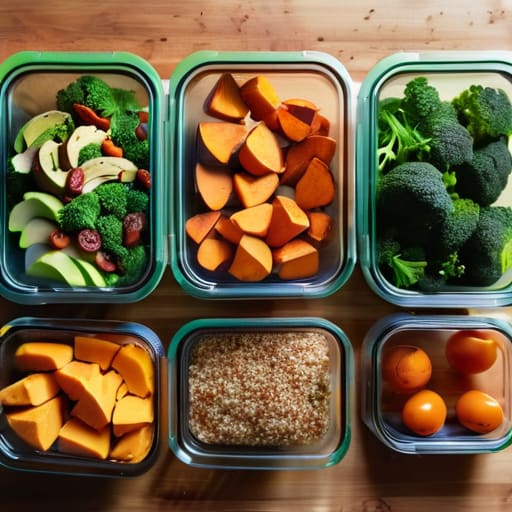
Instead of aiming for perfection, aim for flexibility. I don’t do rigid menus; I build a “modular” system. I’ll cook a big batch of grains or roast a tray of veggies, then rotate them through different flavor profiles throughout the week. This approach is a game-changer for reducing grocery bills because you’re actually using the ingredients you bought instead of letting them wilt in the crisper drawer. The goal isn’t to become a chef; it’s to create a system where your kitchen works for you, not the other way around. If you can master the art of the “planned leftovers,” you’ve already won half the battle.
Reducing Grocery Bills Without Living on Instant Noodles
Look, I get it. The grocery store feels like a minefield designed to make you overspend. You walk in for milk and somehow walk out with a $12 artisanal cheese and three bags of organic kale that will inevitably turn into slime in your crisper drawer by Thursday. If you want to start reducing grocery bills without feeling like you’re punishing yourself, you have to stop shopping by impulse and start shopping by inventory. Before you even touch a shopping cart, check your pantry. It sounds tedious, but knowing you already have two cans of chickpeas and half a box of pasta changes your entire strategy from “what do I want?” to “what can I build with what I have?”
Another huge mistake is treating every date on a package like a legal deadline. I spent way too much time stressing over “best by” labels early in my career, only to realize they aren’t safety warnings. Most of the time, they’re just manufacturer suggestions for peak quality. By understanding expiration dates versus actual safety markers, you’ll stop tossing perfectly good yogurt or crackers just because the calendar says so. Combine that with a few solid food storage techniques—like treating your herbs like flowers in a glass of water—and you’ll stop seeing your hard-earned money literally rot in the fridge.
Small Systems to Stop Your Fridge from Becoming a Graveyard
- Audit your fridge before you even step foot in the grocery store. I used to buy “just in case” spinach, only to find a bag of green slime in the crisper drawer a week later. Take a quick photo of your shelves so you actually know what’s in there while you’re walking the aisles.
- Master the “Eat Me First” bin. Dedicate one specific container or a small area in your fridge for items that are nearing their expiration date or looking a little sad. It’s a visual cue that tells your brain: “Don’t cook that new thing yet; finish this first.”
- Learn to love the freezer. Almost everything can be frozen if you’re smart about it—think half-used onions, wilting herbs in olive oil, or even that extra bit of tomato paste. If you aren’t going to use it in the next 48 hours, freeze it. It’s basically a pause button for your food.
- Stop treating “Best By” dates like a death sentence. Most of the time, those dates are about quality, not safety. Use your senses: if it looks fine, smells fine, and the texture isn’t weird, it’s probably good to go. Don’t let a printed label trick you into throwing away perfectly edible food.
- Prep your produce immediately after shopping. I know, it feels like extra work, but washing and chopping your veggies as soon as you get home makes them way more likely to actually get eaten. If it’s already ready to toss into a pan, you’ll grab it; if it’s buried under a pile of unwashed dirt, it’s going in the bin.
Stop Overcomplicating It and Just Start
Look, we’ve covered a lot, but if you forget everything else, just remember this: reducing food waste isn’t about achieving some flawless, Pinterest-perfect pantry. It’s about building systems that actually stick. Whether that means finally getting a handle on your meal planning so you aren’t staring blankly at a wilted head of lettuce on Thursday, or just being more intentional about what actually makes it into your cart, the goal is efficiency. Stop trying to be a master chef every single night and just focus on using what you already own before it turns into a science experiment in the back of your fridge.
At the end of the day, this isn’t just about saving a few bucks—though, let’s be real, seeing that grocery bill drop feels amazing. It’s about taking control of your space and your resources. When you stop letting good food go to waste, you’re essentially optimizing your life by removing a layer of unnecessary chaos and guilt. You don’t need a complete lifestyle overhaul to make an impact; you just need to start treating your kitchen like the functional system it’s meant to be. You’ve got this, and honestly, your bank account (and your future self) will definitely thank you for it.
Frequently Asked Questions
How do I actually know when something is "bad" versus just looking a little weird?
Look, I get it. The “sell by” dates are basically just suggestions, and staring at a slightly soft cucumber is stressful. Here’s my rule of thumb: trust your senses, not the label. If it smells sour, feels slimy, or has actual fuzz, toss it. If it just looks a little wilted or bruised? It’s fine—just chop it up and throw it in a stir-fry or a smoothie. If you’re still questioning it, don’t risk it.
What are some easy ways to organize my fridge so I don't forget about that bag of spinach in the back?
The “forgotten spinach” tragedy is real, and honestly, it’s usually a visibility problem. Stop shoving everything into the dark corners. I use the “First In, First Out” method—basically, just treat your fridge like a queue. Put the older stuff right at the front of the shelf where you can see it, and tuck the new groceries in the back. Also, invest in some clear bins; if you can see the contents without digging, you’ll actually use them.
Are there any specific kitchen tools or containers that are actually worth the investment for keeping food fresh?
Look, you don’t need a $500 vacuum sealer to make this work. Honestly? Skip the “aesthetic” glass sets that look pretty on TikTok but cost a fortune. Invest in a few high-quality, airtight glass containers for leftovers—they actually seal and don’t leach chemicals. Also, grab some reusable silicone stretch lids. They’re a lifesaver for odd-shaped fruit or half-cut onions. Keep it functional, keep it airtight, and save your money for better ingredients.
How do I handle food scraps or leftovers when I don't have the space or setup for a full compost bin?
Look, I get it. If you’re living in a studio or a place without a yard, a massive compost bin isn’t just impractical—it’s a biohazard waiting to happen. Don’t sweat it. Start small: get a tiny, sealed countertop bin for scraps and freeze them until you can drop them at a local community garden or a farmer’s market collection point. For leftovers, use the “First In, First Out” rule. Label everything. If it’s not going to be eaten by Thursday, it’s gone.