I spent way too much of my early twenties staring at those “perfectly curated” living rooms on social media, feeling like my own apartment was a chaotic mess of mismatched cables and thrifted finds that didn’t quite “fit.” It’s easy to get caught up in the idea that you need a massive budget or a professional interior designer to make a space feel intentional. But honestly? Most of that polished perfection is just noise. If you’re tired of scrolling through endless, unattainable aesthetics and just want some real diy home decor ideas that won’t break the bank or your spirit, you’re in the right place.
I’m not here to tell you how to make your home look like a museum; I’m here to help you make it work for you. In this list, I’m breaking down eight specific projects that focus on functionality and character rather than just mindless fluff. We’re going to skip the superficial trends and dive into practical, hands-on upgrades that actually add value to your daily routine. By the end of this, you’ll have a toolkit of ideas to transform your space from a cluttered dwelling into a system that actually functions.
Command Center Cable Management
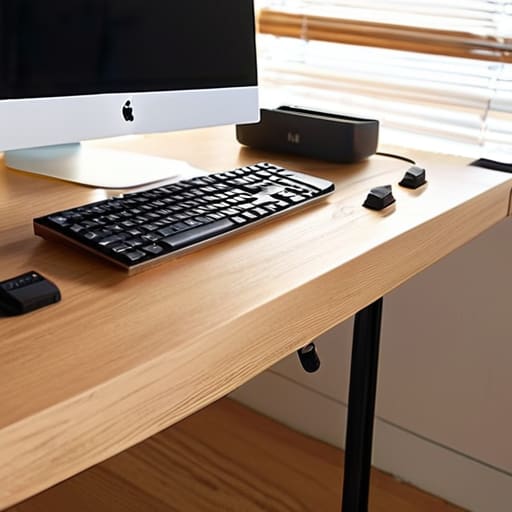
Let’s be real: nothing kills the vibe of a cozy corner faster than a “nest” of tangled black wires spilling out from behind your desk. I spent way too many hours untangling my own setup when I first started freelancing, and it was a total productivity killer. Instead of buying those expensive, over-designed cable boxes, just grab some heavy-duty Velcro strips and a basic cable tray that screws into the underside of your desk.
Upcycled Tech Storage

I have a massive collection of old components, spare screws, and various adapters that usually end up in a junk drawer. Most “aesthetic” organizers you see online are made of flimsy plastic that breaks after a week, so I prefer a more rugged approach. If you have old wooden crates or even sturdy metal tins from a recent pantry restock, clean them up and use them to categorize your small tech essentials.
Modular Floating Shelves
If you’re living in a space where floor real estate is at a premium, you need to start looking up. I’m a huge fan of floating shelves because they break up the visual clutter of a room without adding the bulk of a heavy bookcase. Don’t go overboard with the “boho” macramé stuff; just get some solid wood or even clean-lined metal shelves that can actually hold some weight.
Smart Lighting Layers
Most people rely on that one big, harsh overhead light that makes their apartment feel like a sterile hospital wing. If you want to actually relax in your space, you need to implement lighting layers. I’m talking about a mix of floor lamps, desk lamps, and maybe some smart LED strips tucked behind your monitor or under a shelf to provide a soft glow.
The "Everything" Charging Station
We all have that one spot where our phones, tablets, and headphones go to die in a pile of cords. Instead of letting it happen, build a dedicated charging station. I usually use a small, sturdy tray or a repurposed wooden box to corral all my devices. It keeps the clutter contained to one specific functional zone rather than letting it bleed across your entire coffee table.
Repurposed Industrial Hardware
I’ve always felt that most home decor is way too precious and fragile. If you want something that actually lasts, look toward industrial hardware for inspiration. I once used heavy-duty metal pipes and flanges to create a custom hanging rack for my tools and gear, and it’s arguably the sturdiest thing in my apartment.
Textile Texture Overhaul
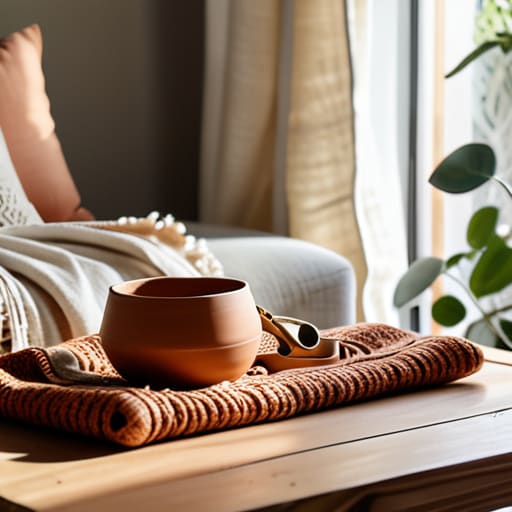
If your room feels “flat” or uninviting, you probably don’t need new furniture; you just need more texture. A single heavy throw blanket or a couple of structured pillows can completely change how a space feels without costing a fortune. I tend to stick to natural, heavy-duty fabrics like canvas or thick cotton rather than anything overly shiny or synthetic.
Minimalist Wall Art Systems
I used to be a victim of the “gallery wall” trend where you have fifty tiny frames cluttering up every inch of your wall. It was a nightmare to clean and a headache to keep straight. Now, I prefer a more minimalist approach: one or two large, impactful pieces or a very structured grid of much larger frames.
Stop Chasing Perfection, Start Building Utility
At the end of the day, these DIY projects aren’t about winning a design award or making your apartment look like a sterile showroom. Whether you’re repurposing old tech components into wall art, building custom shelving to clear the clutter, or finally fixing that wobbly desk, the goal is the same: making your environment work for you. We’ve covered everything from maximizing small-space storage to adding character through reclaimed materials, but the common thread is that functionality is the ultimate decor. If a piece of furniture looks stunning but makes your daily routine a logistical nightmare, it has failed its primary mission. Focus on the upgrades that solve real problems, and the “aesthetic” part will naturally follow.
I know it can feel overwhelming to stare at a pile of raw materials or a half-finished project, but don’t let the fear of a messy middle stop you from starting. You don’t need a professional workshop or a massive budget to reclaim your space; you just need a bit of patience and a willingness to get your hands dirty. Remember, your home is a living system, not a static photograph. It’s okay if your first attempt isn’t perfect, as long as it makes your life a little bit easier or your morning coffee a little bit more enjoyable. Just grab your tools and start building something that actually matters.
Frequently Asked Questions
I love the idea of repurposing old tech or furniture, but how do I know if a piece is actually worth salvaging or if it's just going to be a headache to fix?
Look, I’ve definitely spent way too many weekends staring at a “project” that was actually just expensive trash. My rule of thumb? Check the bones. If it’s solid wood or has a high-quality chassis, go for it. But if it’s particle board or the tech is so obsolete it’s basically a brick, walk away. If the repair requires a specialist or a part you can’t find on eBay, it’s probably not worth the headache.
For someone who doesn't own a full workshop, which three basic tools should I actually invest in first to make these DIY projects doable?
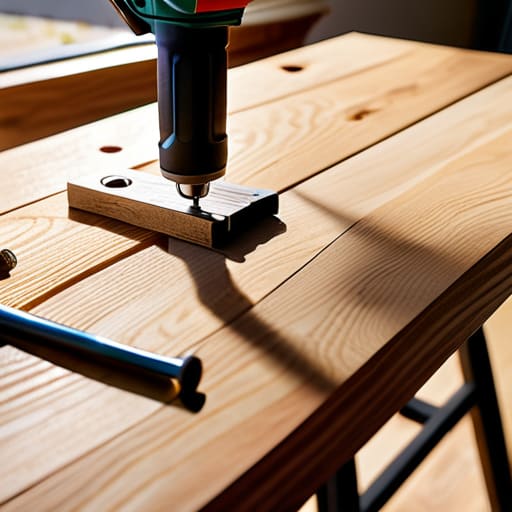
Look, you don’t need a garage full of heavy machinery to get started. Honestly, if you’re working with limited space, just grab a solid cordless drill, a multi-bit screwdriver set, and a decent tape measure. A drill handles almost everything from hanging shelves to assembling flat-pack furniture, and the screwdriver set saves you from the “which bit is this?” frustration. These three are the real MVPs for making actual progress without the clutter.
How do I balance making things look "cool" without my apartment ending up looking like a cluttered thrift store graveyard?
The secret is the “one-in, one-out” rule, but applied to vibes, not just stuff. If you bring in a funky, oversized vintage lamp, something else—maybe a stack of books or a random trinket—has to go. I always aim for “functional focal points.” Pick one statement piece that actually serves a purpose, like a cool lamp or a sturdy shelf, and keep everything else minimal. If it doesn’t have a job, it’s just clutter.
Are there any specific materials or finishes I should avoid if I'm trying to DIY something that actually needs to last more than a few months?
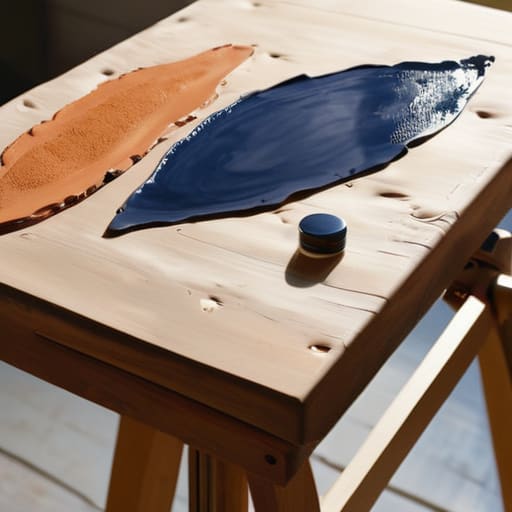
Honestly, skip the “aesthetic” cheapness. Avoid those flimsy, peel-and-stick contact papers or spray paints that aren’t rated for the surface you’re hitting—they’ll bubble or flake within weeks. Also, steer clear of particle board if you’re planning on anything heavy or moisture-prone; it’s basically glorified sawdust and will swell up the second things get real. If you want it to last, invest in actual wood, decent hardware, and finishes that actually bond to the material.