Let’s be real: if I see one more photo of a “shabby chic” pallet planter that’s actually just rotting wood sitting in a puddle of mud, I might lose it. We’ve all seen the curated, perfect DIY posts that make it look like you just snap your fingers and suddenly have a farmhouse oasis, but the reality is usually a pile of splintery scrap and a lot of wasted time. Most people get overwhelmed by pallet project ideas because they try to mimic a Pinterest aesthetic that isn’t built for actual living. You don’t need a workshop full of expensive power tools or a degree in carpentry to turn those free shipping platforms into something useful; you just need a plan that prioritizes function over fluff.
I’m tired of seeing perfectly good materials go to waste just because they don’t look “aesthetic” enough for a magazine spread. In this post, I’m breaking down eight specific builds that are actually worth your energy. We’re skipping the useless decor and focusing on rugged, high-utility projects that solve real problems in your space—from organizing your tech gear to creating storage that actually holds weight. By the end of this, you’ll have a roadmap to building a home that actually functions without breaking your budget.
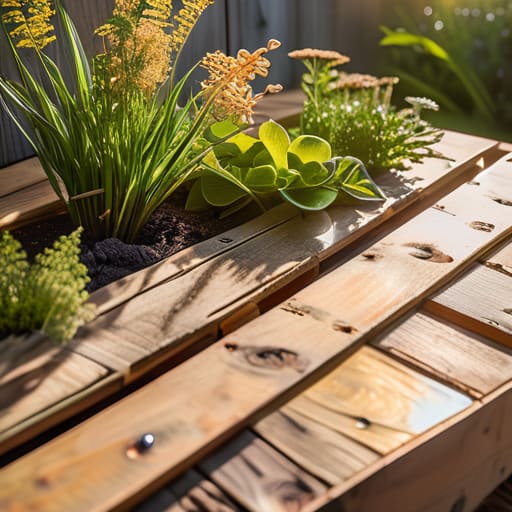
The "No-Nonsense" Vertical Garden
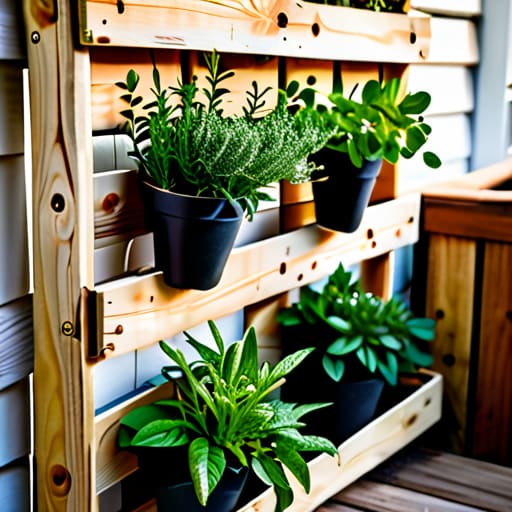
If you’re living in a space where floor real estate is basically non-existent, stop trying to buy those expensive, flimsy plastic tiered planters. Grab a couple of sturdy pallets, lean them against a sunny wall, and you’ve got an instant vertical herb garden. I love this because it’s modular; you can screw in small wooden crates or even use heavy-duty fabric pockets to hold your soil.
The Tech-Station Charging Hub
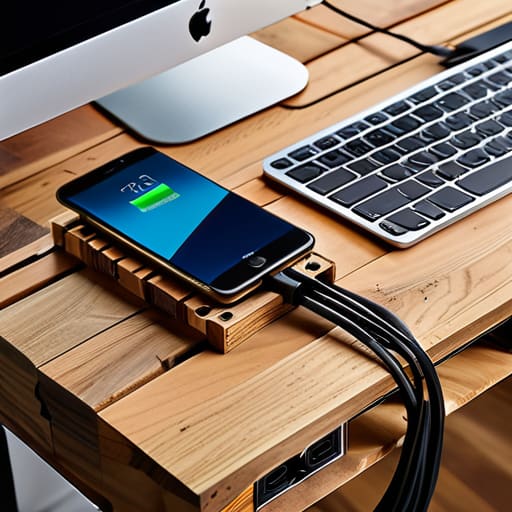
We all have that one “junk drawer” or a tangled mess of cables on the nightstand that makes my inner systems admin scream. Instead of buying a plastic organizer that will probably break in six months, use the slats of a pallet to create a custom cable management station. You can mount it to your desk or a wall, creating a framework where you can hook chargers, tuck away power strips, and keep your tech gear organized.
Heavy-Duty Mudroom Organizer
Most entryway organizers are designed for aesthetics, not for the reality of someone coming home with muddy boots, a heavy backpack, and a wet umbrella. A pallet-based wall unit is basically indestructible compared to the particle-board stuff you find at big-box stores. You can reinforce the frame and add thick metal hooks to handle the weight of actual gear without the whole thing bowing under the pressure.
The Low-Profile Coffee Table
If you’re trying to furnish an apartment on a budget, don’t fall for the trap of buying “distressed” furniture that’s actually just cheap wood made to look old. Stack two pallets on top of each other, sand them until they’re smooth enough to not ruin your legs, and you have a solid, industrial-style coffee table. It’s a simple build that provides a huge amount of character without the massive price tag.
The Workshop Tool Wall
As someone who is constantly tinkering with old synths or fixing broken hardware, I know that a disorganized workspace is a productivity killer. Instead of a complex pegboard system that costs a fortune, use a pallet as a rugged tool backboard. You can wedge your screwdrivers, pliers, and even your multi-tool into the gaps between the slats, keeping everything within arm’s reach.
Outdoor Lounge Seating
Creating a chill spot in a backyard or on a balcony doesn’t require a professional landscaping budget. You can stack pallets to create the base for modular outdoor sofas that actually fit your specific space. Because they are modular, you can rearrange them whenever you feel like a change, which is perfect if you’re constantly moving or just get bored easily.
The "Everything" Kitchen Rack
Kitchens are usually the most cluttered rooms in the house, especially if you’re working with limited counter space. A small, repurposed pallet section can serve as a hanging spice and utensil rack that clears up your workspace immediately. You can mount it to the backsplash or even a side wall to keep your most-used items from getting lost in a deep cabinet.
Minimalist Bookshelf Unit
If you’re a collector of technical manuals, art books, or vinyl, you know that standard bookshelves can be surprisingly expensive. A pallet bookshelf is a great way to get that industrial, minimalist vibe while providing plenty of sturdy storage. The natural gaps between the slats create perfect little nooks for smaller items, while the larger sections can hold your heavier books.
Stop Overthinking and Start Building
At the end of the day, whether you’re building a vertical herb garden for your balcony or a rugged workbench for your tech gear, the goal isn’t to create a museum piece. We’ve covered everything from simple storage solutions to more complex outdoor furniture, and the common thread is that these projects rely on utility over aesthetics. You don’t need a workshop full of expensive power tools to get started; you just need some decent sandpaper, a drill, and the willingness to get a little sawdust on your floor. The point of using pallets is to take something discarded and turn it into something that actually serves a purpose in your daily routine.
If you’re feeling intimidated by the idea of a DIY project, just remember that my first attempt at restoring an old synth ended with a lot of smoke and a very frustrated expression. You’re going to make mistakes, and your first pallet planter might look a little wonky, but that’s part of the process. Don’t let the fear of a “failed” project keep you from trying. The most rewarding part isn’t having a perfect home; it’s the quiet confidence that comes from knowing you can fix, build, and maintain the world around you. So, grab those scraps, find a corner in your garage, and just start building something useful.
Frequently Asked Questions
Are there specific types of pallets I should avoid so I don't accidentally bring toxic chemicals into my house?
Look, this is the most important question you could’ve asked. Please, do not just grab whatever is sitting behind a warehouse. Check for the IPPC stamp first. You want “HT” (Heat Treated), which is safe. Avoid anything marked “MB”—that stands for Methyl Bromide, a nasty pesticide that you definitely don’t want off-gassing in your living room. If it looks oily, smells weird, or has weirdly bright paint, leave it. Stay safe.
Do I really need power tools for these, or can I pull most of this off with just a basic screwdriver and a hammer?
Look, I’ll be real with you: you can brute-force a lot of this with just a hammer and a screwdriver, but your hands (and your sanity) might hate you by the end. If you’re just pulling a few boards apart, manual tools are fine. But if you’re actually building something meant to last, a cheap cordless drill is a total game-changer. It’s not about having a fancy workshop; it’s about not fighting your materials every single step.
How do I stop the wood from splintering or looking super gross once I actually finish the build?
Honestly, the “post-build regret” is real when you realize your project looks more like a construction site hazard than furniture. First, grab a decent orbital sander—don’t try to hand-sand your way out of this, you’ll lose your mind. Start with a coarse grit to knock down those nasty splinters, then move to a fine grit for smoothness. Finally, seal it. A simple water-based polyurethane keeps it looking clean without that weird, greasy yellow tint.
What’s the best way to secure these to a wall or a deck so they don't just tip over and crush something?
Honestly, this is the most important question you could ask. There is nothing worse than a DIY project turning into a literal hazard. If you’re hitting a stud, use heavy-duty wood screws; if it’s just drywall, get some toggle bolts—don’t trust those flimsy plastic anchors. For a deck, I always lean on stainless steel deck screws to prevent rust. Whatever you do, just make sure it’s anchored to something structural, not just the siding.