If I see one more “entryway aesthetic” video featuring a $400 marble console table that serves no purpose other than holding a single, overpriced candle, I might actually lose it. We’ve been sold this lie that knowing how to organize your entryway means buying a bunch of matching, expensive bins that look great in a photo but fail the second you walk through the door with groceries in one hand and a dying phone in the other. Real life is messy, and your home shouldn’t require a professional stylist just to keep your keys from disappearing into the void.
I’m not here to help you curate a museum piece; I’m here to help you build a functional system that actually survives your daily chaos. In this guide, I’m stripping away the fluff and showing you how to set up a space that works for your actual habits, not some idealized version of yourself. We’re going to focus on low-maintenance solutions—the kind of practical, DIY-friendly setups that stop the clutter before it even hits the floor. Let’s get your space working for you.
Decluttering Your Front Door Area Without the Stress
Look, I get it. You walk through the door after a long day, and instead of feeling “home,” you feel like you’re stepping into a mountain of discarded mail, rogue sneakers, and half-empty grocery bags. It’s overwhelming. But before you go out and buy a massive, expensive console table that you’ll just end up cluttering anyway, we need to talk about decluttering your front door area with actual intent.
The biggest mistake I see people make is trying to organize “stuff” that shouldn’t even be in the entryway in the first place. If you have a pile of junk mail from three weeks ago, don’t look for a better bin—just toss the trash. If your shoes are scattered like a crime scene, you don’t need more floor space; you need better shoe storage solutions for foyers, like a slim rack or a cubby system that actually keeps them off the ground.
Once you’ve cleared the literal junk, focus on the “one-touch” rule. Everything that enters your home should have a designated landing pad. If it doesn’t have a home, it’s just future clutter. Aim for functional simplicity over a curated look; if a hook or a small tray keeps your keys from vanishing into the abyss, it’s doing its job.
Small Entryway Organization Hacks That Actually Save Time
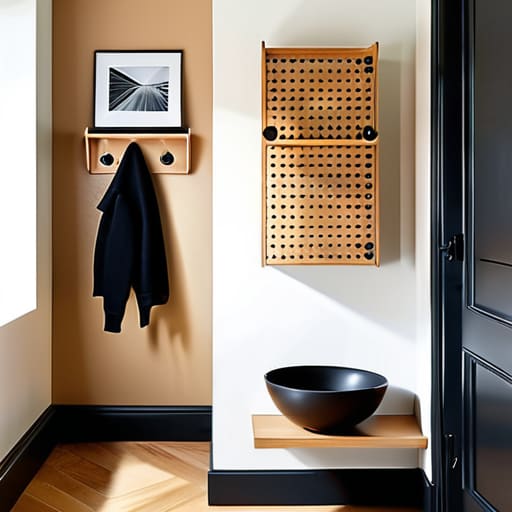
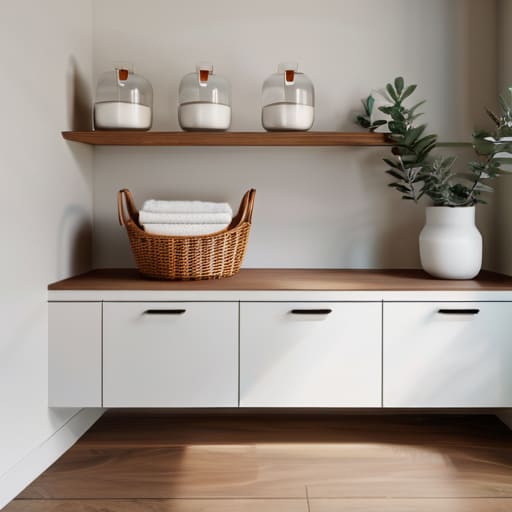
If you’re working with a tiny footprint, the biggest mistake you can make is trying to force oversized furniture into a space that just won’t take it. Forget that massive, chunky console table you saw in a catalog; it’s just going to become a glorified dust magnet that trips you up every morning. Instead, look upward. I’m a huge advocate for wall mounted entryway organizers because they reclaim your floor space while keeping your essentials within arm’s reach. Think floating shelves or a slim pegboard. It keeps your keys, sunglasses, and mail off the surfaces and tucked into a vertical zone that doesn’t eat into your walking path.
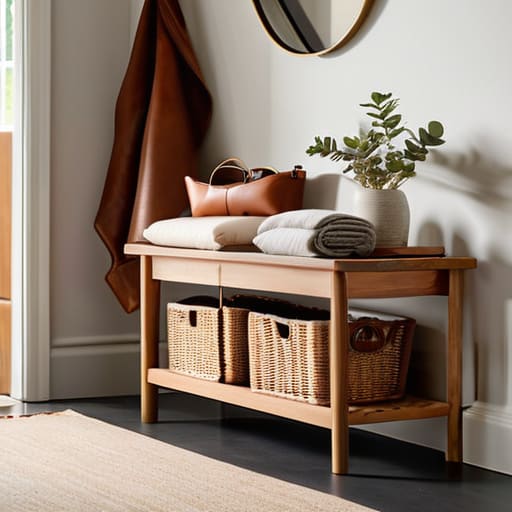
When it comes to the floor, your biggest enemy is the “shoe pile” that inevitably forms by the door. If you don’t have room for a full cabinet, look for slim, stackable shoe storage solutions for foyers that can tuck right under a small bench or even behind the door. I also love setting up a mini command center—just a small basket or a dedicated tray—to act as a landing pad for the random stuff that accumulates during the day. The goal isn’t to make it look like a showroom; it’s about creating a frictionless transition from the chaos of the outside world to the calm of your home.
5 Low-Maintenance Systems to Keep the Chaos at Bay
- Stop the “Key Graveyard” by assigning one specific, heavy-duty hook or bowl right by the door. If it doesn’t have a home, it’s going to end up lost in the couch cushions by Tuesday.
- Use a “Landing Strip” tray for the small stuff that isn’t quite trash but isn’t quite “put away”—think loose change, sunglasses, or those random receipts you’ll probably never use.
- Ditch the flimsy plastic bins and invest in a few sturdy, labeled baskets for things like umbrellas or dog leashes. If you can’t see what’s inside at a glance, you’re just creating another mess to sort through later.
- Set up a “One-In, One-Out” rule for your shoe rack. If you bring home a new pair of sneakers, an old pair needs to go to the back of the closet or the donation bin, otherwise, your entryway becomes a tripping hazard.
- Install a dedicated charging station near the door. I keep a multi-port hub tucked in a small basket so my phone and power bank are always ready to go before I even step out the door.
Stop Aiming for Perfection and Start Living
Look, at the end of the day, we aren’t trying to win an interior design award; we’re just trying to stop tripping over a rogue sneaker every time we walk through the door. By decluttering the surface chaos, implementing those small-scale storage hacks, and actually giving your keys a dedicated “home,” you’ve already done the heavy lifting. You don’t need a custom-built, $2,000 mudroom console to make this work. You just need a system that survives your actual life, even on the days when you’re too exhausted to hang up your coat properly. Keep it functional, keep it simple, and most importantly, keep it manageable.
If you’re feeling overwhelmed by the mess right now, just remember that an organized entryway is a marathon, not a sprint. There will be days when the mail piles up again or the shoes end up in a heap, and that’s totally fine. The goal isn’t to maintain a museum-quality display; it’s to build a space that supports your routine instead of fighting against it. Take it one bin and one hook at a time. Once you get these basics dialed in, you’ll realize that small wins in your physical space lead to much bigger wins in your mental clarity. You’ve got this.
Frequently Asked Questions
I have a tiny apartment and zero floor space; how do I organize an entryway without it feeling like a cluttered hallway?
If you’re working with zero floor real estate, stop looking down and start looking up. Verticality is your best friend. Mount some heavy-duty command hooks for your keys and bags, or grab a slim wall-mounted mail organizer. I’m a huge fan of those narrow floating shelves; they hold your essentials without eating into your walking path. The goal isn’t to fill the walls, it’s to get everything off the floor so you can actually breathe.
What are some low-maintenance ways to keep my kids' shoes and bags from becoming a permanent pile by the door?
Look, if you try to implement a complex cubby system with tiny labels, your kids will ignore it within forty-eight hours. Don’t fight the chaos; redirect it. Get a heavy-duty, low-profile boot tray for the shoes and a row of sturdy, oversized hooks at their eye level for bags. If it’s easy to grab and easy to drop, they’ll actually do it. Keep the “system” so simple it feels like cheating.
Should I invest in a heavy-duty command center, or can I DIY something functional for under fifty bucks?
Look, unless you’re running a literal logistics hub out of your foyer, you do not need a heavy-duty command center. Most of those expensive setups are just glorified shelves that end up looking cluttered in a week. For under fifty bucks, grab a sturdy pegboard, some heavy-duty hooks, and a couple of magnetic bins. It’s modular, it’s cheap, and you can actually customize it to fit your specific chaos. Function over fluff, always.
How do I balance making the space look decent with the reality that it's going to get beat up by daily use?
Look, if you try to treat your entryway like a museum, you’re going to be stressed every time you walk through the door. My rule? Choose “durable” over “dainty.” Instead of a delicate wicker basket that’ll shred in a month, grab a heavy-duty metal bin for shoes. Swap out white rugs for something patterned and washable. Aim for “functional clean”—it doesn’t need to be perfect, it just needs to be easy to wipe down.