I was halfway through a deep-focus coding session last Tuesday when that piercing, metallic shriek tore through my headphones again. Every time my cat brushed past the bedroom door, it sounded like a horror movie jump scare. I almost reached for my phone to call a handyman, but then I remembered my dad’s voice: “Why pay a professional to do something a screwdriver and a little grease can solve in five minutes?” Honestly, most people think you need a specialized toolkit or a complete hinge replacement to deal with this, but learning how to fix a squeaky door is actually one of the easiest wins you can grab for your home.
I’m not here to sell you on some expensive, fancy-smelling lubricant that costs twenty bucks and lives in a boutique hardware store. Instead, I’m going to show you how to use what you actually have in your junk drawer to get the job done. We’re going to skip the fluff and get straight to the functional solutions—from quick hacks for when you’re in a rush to the proper way to deep-clean a hinge so it stays silent for good.
Guide Overview
Tools & Supplies
- Screwdriver (to tighten loose hinge screws)
- Microfiber cloth (to wipe away excess lubricant)
- Lubricant (1 can of silicone spray or WD-40)
- Petroleum jelly (1 small container for long-term fix)
Step-by-Step Instructions
- 1. First things first, you need to figure out if it’s actually the hinges or if the door is just rubbing against the frame. Open and close it slowly to pinpoint the exact spot where the noise is coming from. If it’s a high-pitched screech, it’s definitely the metal-on-metal friction in the hinges, which is usually a quick fix.
- 2. Grab a screwdriver and a hammer—or even just the butt of a heavy screwdriver—to pop the hinge pins out. I usually start at the bottom hinge because it’s easier to manage. Just tap the pin upward from the bottom until it slides out. Pro tip: Don’t try to pull them out with your bare hands if they’re stuck; give them a gentle nudge with the tool to avoid bruising your thumbs.
- 3. Once you have the pins out, take a look at them. If they look crusty, rusty, or covered in old, gummy gunk, you’ve found your culprit. Use a paper towel or an old rag to wipe the pins clean. If you’re feeling extra thorough, you can even use a bit of steel wool to scrub off any stubborn oxidation that’s causing that friction.
- 4. Now, it’s time for the good stuff: lubrication. You can use a dedicated silicone spray or a lithium grease if you have it in your toolkit, but if you’re in a pinch, a bit of Vaseline or even cooking oil works in a real emergency. Just coat the pin thoroughly. I personally prefer a heavy-duty grease because it actually stays put longer than the thin stuff.
- 5. Slide the pins back into the hinges one by one. As you push them down, wiggle the door slightly to make sure the pin is seating itself correctly. You don’t want to end up with a misaligned hinge, or you’ll just trade a squeak for a door that won’t close properly. Check the alignment as you go to ensure everything feels smooth.
- 6. Give the door a few test swings. If you still hear a faint ghost of a squeak, you might need a little more lubricant. If it’s silent, you’re golden. If the door is still making noise but it’s a scraping sound instead of a squeak, then the problem isn’t the hinges—it’s the door rubbing the frame, and you might need to do some light sanding or adjust the hinge screws.
- 7. Finally, clean up any excess grease that dripped onto the door or the floor. Nobody wants a greasy smudge on their white trim, and it’s a total pain to get out once it sets. Just a quick wipe with a damp cloth and you’re officially done. Now go enjoy the silence.
The Real Way to Start by Removing Door Hinge Pins
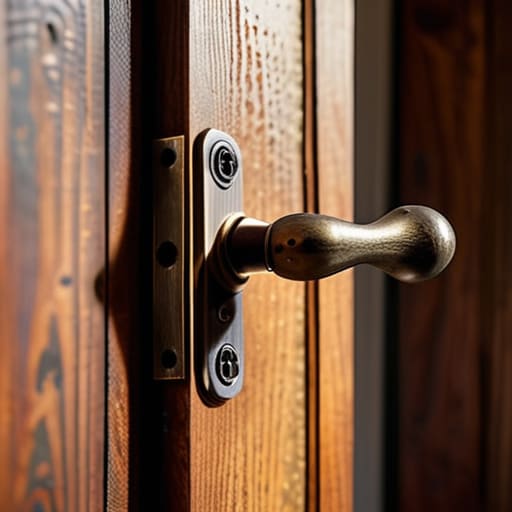
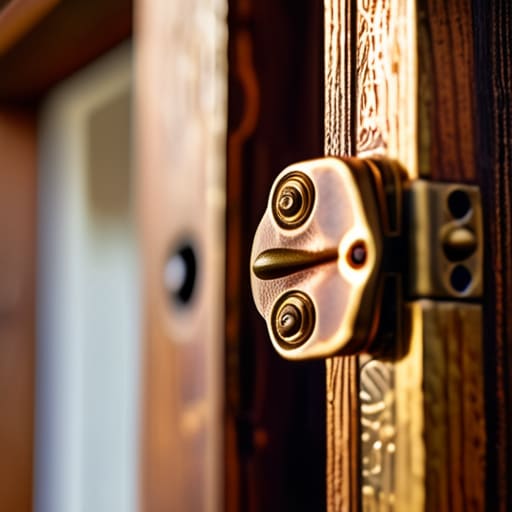
Look, you can try the “spray and pray” method by just squirted some oil into the cracks, but if you want this to actually last, you need to get hands-on. I’ve learned from my years of tinkering with old gear that surface-level fixes are just temporary band-aids. For a real solution, removing the door hinge pin is the only way to ensure you’re actually cleaning out the grit and old, dried-up grease that’s causing the friction in the first place.
Before you start hammering away, grab a flathead screwdriver and a small mallet. Pro tip: place the screwdriver against the bottom of the pin and give it a few gentle, controlled taps to nudge it upward. If the door is heavy or the pin feels stuck, don’t force it—you don’t want to bend the metal or warp the hinge. Once it’s out, take a second to inspect it for any rust or buildup.
While you’ve got the pins out, this is your golden opportunity for some proper door maintenance tips. Instead of just shoving them back in, wipe the pins down with a clean rag. This is also the perfect time to decide on your lubricant; whether you’re choosing between a heavy grease or a specialized spray, getting it applied directly to the pin ensures you aren’t just making a mess on your floor.
Finding the Best Lubricant for Squeaky Doors Without the Mess
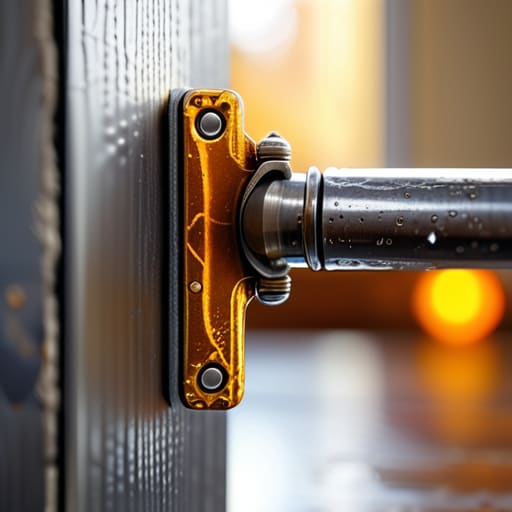
Now that you’ve actually done the hard part—getting those pins out—you need to talk about the stuff that actually makes the squeak go away. This is where most people mess up. They see a can of original WD-40 in the junk drawer and think they’re golden, but here’s the reality: that stuff is a solvent, not a long-term lubricant. It’ll clean the gunk out and stop the noise for a week, but then it evaporates, leaving your hinges bone-dry and potentially even noisier than before.
If you want to do this once and forget about it, you need to decide between WD-40 vs silicone spray for hinges. If you’re just cleaning off old, crusty grease, the classic stuff is fine, but for actual long-term maintenance, I always reach for a silicone-based spray or a lithium grease. Silicone is my go-to because it’s clear, doesn’t attract nearly as much dust, and most importantly, it won’t leave those nasty, dark oily stains on your door frame or carpet.
When you’re lubricating door hinges, less is definitely more. You don’t need to drench the metal; just a light coating on the pin before you slide it back in is plenty. Think of it like seasoning food—you want just enough to get the job done without making a massive, greasy mess that you’ll have to clean up later.
Pro-Tips to Keep the Silence (and Your Sanity)
- Don’t just spray and pray. If you’re using an aerosol lubricant, aim for the actual pivot point of the hinge rather than just coating the entire door frame. You want the oil inside the mechanism, not dripping down your paintwork.
- Keep a rag or some paper towels in your hand before you start. Even with the “clean” lubricants, things get messy fast, and I’d much rather clean up a small drip now than try to scrub grease off my door trim later.
- If you’re dealing with a heavy solid-wood door, don’t skip the pin removal step. Sometimes the squeak isn’t just lack of oil; it’s actual friction from a pin that’s slightly bent or worn down. Cleaning the pin itself makes a world of difference.
- Check your alignment while you’re at it. Since you’ve already got the door open and the hinges accessible, take a second to see if the screws are actually tight. A loose screw can cause a door to sag, which leads to that annoying metal-on-metal grinding sound.
- If you’re working in a rental and are terrified of using heavy-duty oils, grab some white lithium grease or even a bit of petroleum jelly. They stay put better than liquid oils, meaning you won’t have to repeat this whole process again in two weeks.
Silence is Golden
At the end of the day, fixing that squeak is way less intimidating than it sounds. You don’t need a professional handyman or a massive toolbox; you just need to pull those pins, wipe away the old gunk, and apply a proper lubricant that won’t turn your hallway into an oil slick. Whether you went the deep-clean route with the hinge pins or just applied a quick spray to the joints, the goal was the same: removing the friction that’s causing the noise. Once you’ve got that smooth movement back, just wipe away any excess so you aren’t attracting dust later, and you’re officially done.
I know it feels like a small thing, but these tiny wins matter. There is something genuinely satisfying about taking a minor annoyance—something that’s been grating on your nerves every time you walk into a room—and resolving it with your own two hands. It’s not about achieving some Pinterest-perfect home; it’s about taking ownership of your space so it actually works for you. Stop letting the small stuff get under your skin. Grab your multi-tool, fix the noise, and go enjoy the quiet. You’ve totally got this.
Frequently Asked Questions
What if the hinge pin is stuck and won't budge even after I hit it?
Ugh, the classic standoff. If that pin is refusing to move, don’t just keep hammering away—you’ll end up denting the metal or, worse, scarring your door frame. First, try a shot of penetrating oil (like WD-40 Specialist, not just the regular stuff) and let it sit for ten minutes to eat through the grime. If that fails, grab a pair of pliers to get a better grip, or use a slightly larger nail as a makeshift punch. Slow and steady wins.
Can I just use WD-40, or is that actually going to make things worse in the long run?
Look, I get it—WD-40 is probably sitting in your junk drawer right now. But honestly? Don’t do it. It’s a great solvent for loosening stuck bolts, but it’s a terrible long-term lubricant. It actually evaporates quickly and can leave a sticky residue that attracts dust, which eventually turns into a gritty paste inside your hinges. Use a dedicated silicone spray or white lithium grease instead. It’ll actually last, saving you from fixing this again next month.
My door is still making a weird grinding sound even after I lubricated the hinges—what else could it be?
Ugh, that grinding sound is the worst—it’s like nails on a chalkboard for your ears. If the lube didn’t do the trick, you’re likely dealing with physical friction. Check if the hinge pins are slightly bent or if the screws are loose, causing the plates to rub. Also, look for debris or rust buildup inside the joint that the oil couldn’t reach. If it’s still grinding, the hinge itself might be structurally failing. Time for a replacement.
How do I stop the oil from dripping down the door and ruining my paint job?
Ugh, the dreaded oil drip. I’ve definitely seen way too many pristine white doors ruined by a greasy streak because someone went a little heavy-handed. To avoid the mess, less is always more. Use a precision applicator like a needle-nose oiler or even a Q-tip to target just the hinge pin. If you do get a stray drop, grab some paper towels immediately. Don’t let it sit; wipe it up before it settles into the paint.