I was mid-way through soldering a tiny connection on a 1970s Moog synth last Tuesday when I realized I’d spent the last twenty minutes scrolling through mindless reels instead of actually working. My hands were steady, but my brain was completely fried. It’s that weird, twitchy sensation where you reach for your device before you’ve even consciously decided you’re bored. We’ve all been told that the answer to how to stop checking your phone is some expensive, minimalist “dumbphone” or a high-end productivity app that costs ten bucks a month, but honestly? That’s just more digital noise. Most of those “solutions” are just more tech layers designed to keep you engaged, rather than actually helping you disconnect.
I’m not here to sell you a lifestyle overhaul or tell you to go live in a cabin in the woods. I’m here to give you a few functional, low-maintenance systems that actually work in the real world—the one where you still need your GPS and your messages. We’re going to strip away the fluff and focus on small, tactical shifts that reclaim your focus without making your life feel like a chore. No aesthetic perfection, just actual results.
Recognizing Smartphone Dependency Symptoms Before They Break You

We need to talk about the “phantom buzz.” You know that feeling when you’re certain your pocket just vibrated, but when you check, there’s nothing there? That’s not just a glitch in your nervous system; it’s one of the clearest smartphone dependency symptoms out there. It’s a sign that your brain has been rewired to expect a hit of stimulation every thirty seconds. I started noticing it during my own deep-work sessions—that frantic, itchy urge to reach for my device the second a task gets slightly difficult or even just boring.
If you find yourself scrolling through mindless feeds while you’re actually in the middle of a conversation, or if you feel a genuine spike of anxiety when your battery hits 5%, you’re already in the thick of it. It’s not about being a “tech addict”; it’s about realizing your brain is stuck in a loop of seeking cheap hits of dopamine. Instead of diving straight into complex dopamine detox techniques that feel impossible to maintain, just start by noticing these micro-behaviors. When you catch yourself performing these mindless loops, don’t judge it—just acknowledge that your tools are currently using you, rather than the other way around.
Dopamine Detox Techniques That Actually Work in Real Life
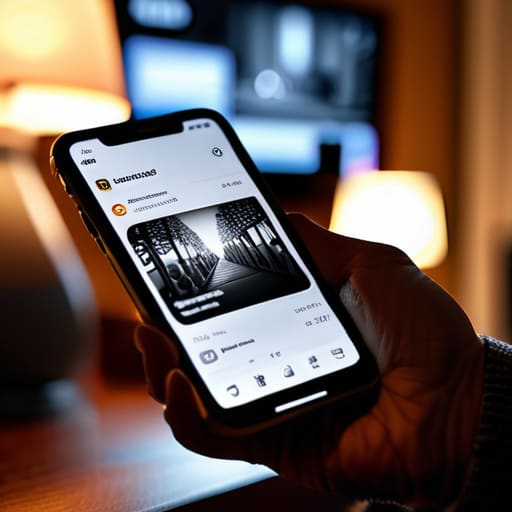
Look, I’m not going to tell you to throw your smartphone into a lake and go live in a cabin. That’s not realistic, and honestly, it’s not helpful. Most of the “dopamine detox techniques” you see floating around TikTok are just aesthetic trends that fall apart the second you actually need to check a map or a work email. Real change comes from building small, friction-filled barriers. Start by turning your screen to grayscale. It sounds silly, but stripping away those vibrant, candy-coated colors makes your apps look incredibly boring. When Instagram looks like a 1940s newspaper, your brain stops getting that tiny hit of excitement every time you scroll.
Another thing that actually moves the needle for me is implementing a “charging station” rule. My phone doesn’t live on my nightstand; it lives on a desk in the hallway. If you want to master mindful technology use, you have to stop letting your device dictate your first and last thoughts of the day. If you’re serious about improving focus and concentration, try setting “analog windows”—times during your day where your phone is physically in another room. It’s not about being a monk; it’s about reclaiming your attention from an algorithm that is literally designed to steal it.
Five Low-Tech Fixes for a High-Tech Habit
- Kill the red dots. Those little notification badges are literally designed by engineers to trigger your anxiety so you’ll click them. Go into your settings right now and turn off every single non-human notification. If it’s not a text or a call from a real person, you don’t need a red bubble screaming for your attention.
- Build a “Charging Station” that isn’t your nightstand. I learned this the hard way: if your phone is within arm’s reach of your bed, you’ve already lost the battle. Put a charging dock in the kitchen or the hallway. When you walk through the door at night, the phone stays there. Period.
- Treat your home screen like a minimalist workspace. If your screen is cluttered with colorful icons, your brain is constantly processing visual noise. Move all your “infinite scroll” apps—TikTok, Instagram, whatever—into a single folder on the second or third page. If you have to actually work to find the app, you’ll stop opening it out of pure muscle memory.
- Go grayscale. This is a total game-changer. Most apps use bright, saturated colors to keep your brain stimulated. By switching your display to grayscale (it’s in the accessibility settings), you strip away the dopamine hit. Suddenly, Instagram looks boring, and your brain stops craving that visual candy.
- Carry a “Replacement Tool.” I always have my multi-tool on me, but for digital distraction, you need a physical analog replacement. Keep a small notebook or a pocket book nearby. When you feel that phantom itch to reach for your phone, grab the notebook instead. Give your hands something tactile to do that doesn’t involve a glass screen.
Reclaiming Your Real Life
Look, we’ve covered a lot of ground, from identifying those twitchy, subconscious habits to actually implementing a dopamine detox that doesn’t feel like a punishment. The goal isn’t to live like a hermit in a cabin without electricity; it’s about building a functional ecosystem where your phone serves you, rather than the other way around. Whether you’re setting physical boundaries like keeping the charger in the kitchen or using grayscale mode to make those apps look less like candy, remember that consistency beats intensity every single time. You don’t need a perfect, 24-hour digital fast to see results. You just need to stop letting your device dictate your attention span.
At the end of the day, your life is happening right in front of you, not inside a five-inch glass rectangle. I spent years thinking I needed to be “plugged in” to be productive, but I realized I was just busy being distracted. When you strip away the digital noise, you actually leave room to build something real—whether that’s a side project, a hobby like my synth restorations, or just a quiet moment of actual thought. Stop chasing the notification high and start investing in your own presence. You’ve got this.
Frequently Asked Questions
How do I handle the "phantom vibration" feeling where I think my phone buzzed even when it didn't?
That “phantom buzz” is basically your brain misfiring because it’s been conditioned to expect a hit of dopamine every thirty seconds. It’s not a glitch in your phone; it’s a glitch in your nervous system. To fix it, you need to break the loop. Start by turning off every single non-human notification. If it isn’t a text or a call from a real person, your phone shouldn’t be allowed to make a sound.
What do I do if my job or school requires me to be constantly reachable on my phone?
Look, I get it. The “just turn it off” advice is useless when your boss or professor expects a reply within five minutes. You can’t ghost your responsibilities, but you can build a buffer. Use “Focus Modes” to whitelist only essential contacts while silencing everything else. Set specific windows for “reactive work” so you aren’t twitching every time a notification pings. Control the flow; don’t let the device control you.
Is it better to delete my social media apps entirely or just try to limit my screen time through settings?
Honestly? If you’re asking the question, you’ve probably already hit the limit of what “Screen Time” settings can do. Those built-in timers are easy to bypass with a quick click when your brain is craving that hit. If you’re serious about reclaiming your focus, delete the apps. Reinstall them when you actually have a purpose for them. Don’t just try to manage the addiction; remove the friction entirely. Build a system that actually works.
How can I stop the mindless scrolling habit when I'm bored or feeling stressed?
Look, when I’m stressed, my first instinct is to scroll until my thumb aches. It’s a reflex, not a choice. To break it, you need a “friction system.” If you’re bored, keep a physical book or even a Rubik’s cube right next to your couch. If you’re stressed, move your phone to a charging station in another room. Don’t rely on willpower; just make the phone harder to reach than the actual solution.