I’m so tired of seeing those “wellness influencers” post about $15 organic sugar substitutes and complicated meal prep containers that look pretty but are a total pain to clean. Honestly, if you think you need a complete pantry overhaul and a PhD in nutrition to figure out how to reduce sugar in your diet, you’ve been lied to. It’s not about buying expensive, “clean” alternatives; it’s about fixing the broken systems in your daily routine that lead to those 3 p.m. crashes. I spent years thinking I needed a lifestyle revolution, when really, I just needed to stop letting marketing hype dictate my grocery list.
I’m not here to sell you a detox tea or a complicated macro-counting spreadsheet. My goal is to give you a few functional, low-effort swaps that actually stick because they don’t require a massive amount of mental bandwidth. We’re going to look at the practical ways to audit your labels and streamline your snacks so you can stop the sugar roller coaster without making your life miserably complicated. Let’s just get your energy levels back to a baseline that actually works.
Mastering the Art of Reading Nutrition Labels for Sugar
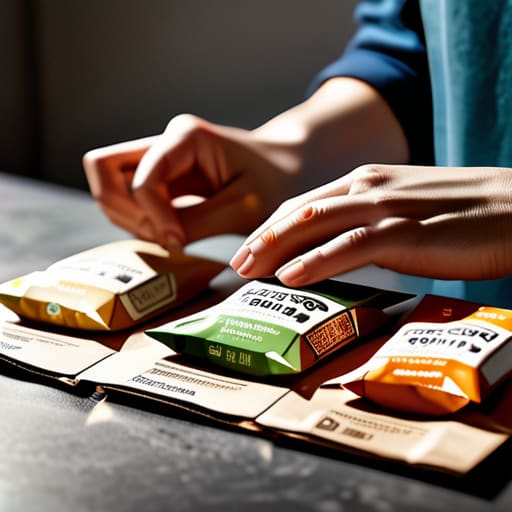
Look, I know reading the back of a box feels like trying to debug a legacy codebase with zero documentation, but it’s the only way to actually know what you’re fueling yourself with. Most brands are masters of disguise; they’ll scream “all natural” or “low fat” on the front to get you hooked, but the real story is in the fine print. When you start reading nutrition labels for sugar, you’ll quickly realize that “sugar” isn’t just one thing. It’s a shapeshifter.
The trick is to look past the total grams and hunt for the aliases. If you see terms like maltodextrin, high fructose corn syrup, or barley malt, you’ve just found the hidden sugars in processed foods that are spiking your insulin without you even realizing it. I used to think my “healthy” granola bar was a win, until I realized it had more added sugar than a slice of birthday cake. Don’t let the marketing fool you—if it sounds like something you’d find in a chemistry lab, it’s probably wrecking your energy levels. Just scan that ingredient list like you’re auditing a system for vulnerabilities; once you spot the patterns, the junk food loses its power over you.
Exposing the Hidden Sugars in Processed Foods
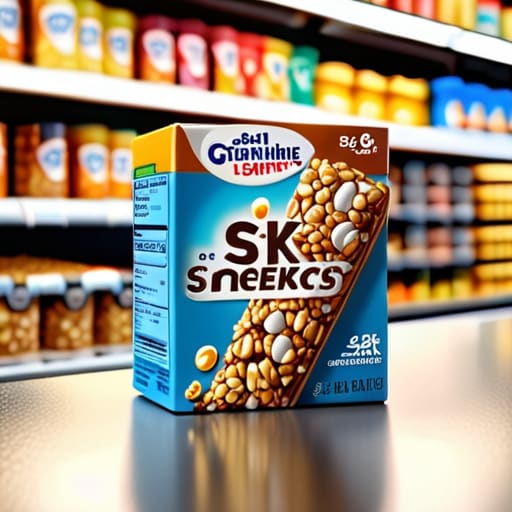
Here’s the thing about the grocery store: it’s basically a minefield of marketing. You think you’re being “good” by grabbing a granola bar or a flavored yogurt, but once you actually look at the ingredients, it’s a total scam. Companies are masters at using different names to mask hidden sugars in processed foods so they don’t have to list “sugar” as the first ingredient. I’m talking about maltodextrin, barley malt, and high fructose corn syrup—all just fancy ways to spike your glucose levels without you even realizing it.
If you want to actually build a system that works, you have to stop trusting the “healthy” labels on the front of the box and start looking at the fine print. I’ve spent way too many hours debugging code only to realize I was actually just crashing from a massive sugar spike caused by a “healthy” breakfast smoothie. When you start cutting these out, you might hit some annoying sugar withdrawal symptoms like headaches or irritability, but it’s worth it. Once you pivot toward whole foods, your energy levels stop feeling like a broken roller coaster and actually start to stabilize.
Low-Effort Swaps to Hack Your Sugar Habit
- Stop treating “diet” drinks like a free pass; they’re just liquid chemicals that keep your sweet tooth on life support. Swap the soda for sparkling water with a squeeze of lime—it gives you that fizz without the massive insulin spike.
- Fix your breakfast system before it fails you. Most “healthy” cereals and yogurts are basically dessert in a bowl. Switch to plain Greek yogurt and throw in some actual berries; you get the sweetness from real food, not a lab-grown syrup.
- Audit your condiments. I learned the hard way that my “healthy” salad dressings were basically just liquid sugar. Keep a bottle of olive oil and some balsamic vinegar on hand so you can control exactly what’s going into your bowl.
- Don’t rely on “low-fat” versions of anything. When food companies strip out the fat, they almost always pump in sugar to make it actually taste like food. Stick to the full-fat versions in smaller portions; they’re more satiating and way less processed.
- Build a better snack kit. If you’re caught in a mid-afternoon slump and reach for a candy bar because it’s easy, you’ve already lost. Keep a bag of raw almonds or some jerky in your bag—something with protein or fat to actually stabilize your energy.
Cutting the Sugar, Keeping the Function
Look, we’ve covered a lot of ground, from decoding those tiny, confusing nutrition labels to spotting the “hidden” sugar traps that companies use to make their products look healthier than they actually are. The goal isn’t to turn your kitchen into some sterile, sugar-free laboratory or to obsess over every single gram like it’s a coding error. It’s really just about building a better system for your body. By swapping out the processed junk for real food and learning to spot the sneaky additives, you’re essentially optimizing your hardware so you don’t crash halfway through the afternoon.
At the end of the day, don’t let the pursuit of a “perfect” diet become another source of stress in your life. If you slip up and eat a donut, just reset the system and move on; life is too short to spend it feeling guilty about a snack. Focus on the small, functional wins—the extra energy you feel, the better sleep, and the lack of that mid-day brain fog. You don’t need an aesthetic, influencer-approved meal plan to be successful; you just need a sustainable way of living that actually works for you. You’ve got the tools now, so go out there and make it happen.
Frequently Asked Questions
What are some actual, low-effort swaps for my morning coffee or tea that don't taste like cardboard?
Look, I get it. Cutting sugar feels like you’re punishing your taste buds. If you’re not ready to drink black coffee (which, let’s be real, is a struggle), try swapping flavored syrups for a dash of cinnamon or real vanilla extract. They add that “sweet” scent and depth without the glucose spike. Also, try unsweetened almond or oat milk—they have a natural creaminess that makes everything feel less like a chore.
How do I handle those massive sugar cravings that hit in the middle of the afternoon?
Look, I get it. That 3:00 PM slump hits like a system crash, and your brain starts screaming for a glucose spike just to keep the lights on. Don’t fight it with willpower alone—that’s a losing battle. Instead, troubleshoot your fuel. Most of the time, you’re actually just dehydrated or crashing from a carb-heavy lunch. Grab a handful of nuts or some Greek yogurt; you need fats and protein to stabilize the system, not another sugar hit.
Is there a way to tell if "natural" sweeteners like honey or agave are actually better for me, or is it all just marketing?
Look, I hate to be the one to break it to you, but “natural” is mostly just a marketing buzzword designed to make us feel better about our choices. Whether it’s honey, agave, or maple syrup, your body still processes them as sugar. They might have a tiny bit more nutritional value than high fructose corn syrup, but they’ll still spike your insulin. Don’t fall for the trap; treat them as treats, not health foods.
How long does it actually take for my taste buds to reset so I can actually enjoy food without a sugar rush?
Honestly, it’s not an overnight thing, so don’t beat yourself up if you’re still craving a donut on day three. Most people start noticing a shift around week one, where things like berries actually taste sweet instead of tart. By the two-to-three-week mark, your palate usually fully resets. Just think of it like recalibrating a finicky analog synth—it takes a little time for the system to stabilize, but once it does, everything sounds (and tastes) better.