Look, I’ve spent enough time staring at “perfectly curated” pantry photos on Instagram to know they’re mostly a lie. You see those glass jars filled with color-coordinated pasta, and it looks dreamy, but then you actually try to cook a meal and realize you can’t find the damn garlic powder. We’ve been conditioned to think that kitchen organization ideas should be about achieving some unattainable aesthetic, but that’s a recipe for burnout. In reality, a kitchen shouldn’t look like a museum; it needs to actually function when you’re tired, hungry, and trying to prep dinner after a long day.
I’m done with the gatekeeping and the fluff. Instead of chasing a Pinterest board, I want to help you build a system that works for your actual life. In this post, I’m breaking down 8 practical, low-maintenance ways to reclaim your space. We’re going to focus on functional efficiency—from optimizing your most-used zones to making sure your tools are actually within reach. By the end of this, you won’t just have a tidier kitchen; you’ll have a system that supports you instead of adding more chores to your plate.
Stop the "Tupperware Avalanche"
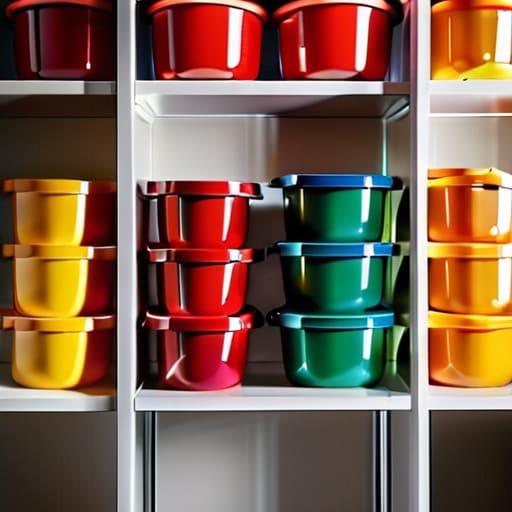
We’ve all been there—you open a cabinet, and a mountain of mismatched plastic lids comes cascading down like a failed physics experiment. It’s not just annoying; it’s a system failure. Instead of letting them pile up in a chaotic heap, I swear by the vertical divider method. Get some inexpensive tension rods or even just some sturdy file organizers to stand those lids up like little soldiers.
The Prime Real Estate Rule
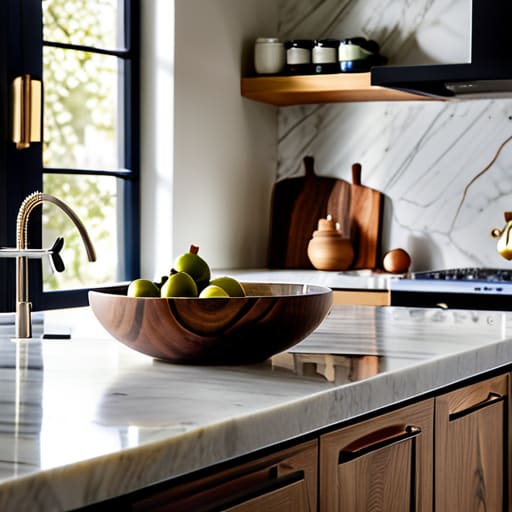
In systems administration, we talk about “latency,” and your kitchen has it too. If you have to reach over a toaster, move a spice rack, and climb a step stool just to get the salt, your kitchen layout is inefficient. You need to map out your “prime real estate”—the area between your waist and your shoulders—and only put the stuff you use every single day there.
Zone Your Spices
I used to have a “junk drawer” for spices that was basically just a graveyard for expired paprika and half-empty cinnamon sticks. It was a nightmare. Now, I treat my spices like a database. I group them by how I actually use them. If I’m baking, I want the cinnamon and nutmeg in one spot; if I’m making a stir-fry, I want the ginger and garlic powder right there.
Decant Only What Matters
You’ve probably seen those “aesthetic” videos where people transfer every single grain of flour and sugar into matching glass jars. Look, I love a good visual, but let’s be real: that is a massive time sink. You don’t need to decant your salt, your pepper, and your dried oregano. That’s just extra dishes and extra work for no real gain.
The "One-In, One-Out" Pantry Audit
A pantry becomes a black hole when you keep buying things you already have just because you couldn’t find the old ones. I’ve started implementing a strict “audit” every time I go grocery shopping. Before I head to the store, I do a quick scan of my shelves to see what’s actually left in stock.
Utilize Your Vertical Space
Most people look at their kitchen walls and see nothing but empty space, but that’s actually prime real estate you’re ignoring. If your counters are feeling crowded, it’s time to look up. Magnetic knife strips are a game-changer—they keep your blades sharp and out of the way, and they look much cooler than a bulky wooden block.
The Under-Sink Strategy
The cabinet under the sink is usually where kitchen organization goes to die. It’s a damp, dark corner filled with half-empty bottles of Windex and sponges that have seen better days. To fix this, stop treating it like a storage bin and start treating it like a utility closet.
Master the Drawer Dividers
Utensil drawers are the ultimate litmus test for a functional kitchen. If you have to dig through a tangled mess of whisks, spatulas, and tongs just to find a spoon, your system is broken. I’m a big fan of adjustable dividers because they allow you to customize the space to the actual tools you own, rather than forcing your tools into a pre-set grid.
Stop Chasing Perfection, Start Building Systems
Look, we’ve covered a lot of ground, from rethinking your pantry layout to finally giving your spices a home that doesn’t involve a chaotic junk drawer. The common thread here isn’t about buying expensive, matching acrylic bins or making your kitchen look like a staged set for a cooking show. It’s about functional accessibility. Whether you’re grouping your baking essentials together or optimizing your drawer dividers, the goal is to reduce the friction between you and the task at hand. If you can’t find your whisk when you’re halfway through a recipe, your system has failed, no matter how aesthetic it looks on camera.
At the end of the day, your kitchen is a workspace, not a museum. It’s going to get messy again—that’s just the reality of living a life that involves actual food and real people. Don’t let the pursuit of a “perfect” space paralyze you from even starting. Just pick one corner, one drawer, or one shelf, and apply these logic-based tweaks. Once you stop fighting your environment and start designing for how you actually move, everything feels a little lighter. You don’t need a designer; you just need a system that works for you.
Frequently Asked Questions
I have a tiny kitchen with zero counter space; how do I organize without feeling claustrophobic?
First off, breathe. Small kitchens aren’t a failure; they’re just a puzzle. If your counters are non-existent, stop treating them like storage zones and start looking up. Get some heavy-duty magnetic knife strips or a pegboard for your most-used tools. If you can’t go up, go sideways—use rolling carts or over-the-sink drying racks. The goal isn’t to hide everything; it’s to get the clutter off your workspace so you can actually cook.
Is it actually worth investing in expensive drawer dividers, or can I just DIY something cheaper?
Honestly? Save your money. Those high-end, aesthetic bamboo dividers are nice to look at, but they’re usually just overpriced plastic with a fancy finish. If you want a system that actually lasts, go to a hardware store and grab some scrap wood or even heavy-duty cardboard. I’ve used everything from tension rods to DIY wooden slats to keep my tools in place. Just build something that fits your specific drawer dimensions—function over fashion, every single time.
How often should I actually go through my pantry to make sure the system isn't just collecting clutter?
Look, if you’re waiting for a massive, soul-crushing quarterly overhaul, you’ve already lost. Systems fail when they become chores. I aim for a “micro-audit” every time I grocery shop—just a quick scan to see what’s nearing its expiration or what’s hiding in a corner. Then, do a deeper reset once a month. It shouldn’t feel like a project; it should just be a quick way to make sure your setup is still actually serving you.
What’s the best way to organize heavy appliances so they aren't a pain to use every day?
Look, if you’re digging a heavy stand mixer out from the bottom of a deep cabinet every single morning, your system is broken. Stop trying to hide everything behind closed doors if you actually use it. If you have the counter real estate, give it a dedicated “station” so it stays plugged in and ready. If not, get a heavy-duty pull-out drawer or a rolling cart. If it’s on wheels, it’s a tool; if it’s buried, it’s a paperweight.