
I spent my entire twenties chasing these massive, shimmering milestones, convinced that once I hit a certain salary or finished a specific project, I’d finally “arrive.” I’d spend weeks obsessing over the destination, only to realize I had zero infrastructure to actually sustain the journey. It’s the same trap people fall into when they debate systems vs goals; they treat the goal like a finish line and the system like a chore, when in reality, the goal is just a hallucination if your daily habits are broken. I’m so tired of the “hustle culture” influencers telling you to just dream bigger without giving you the actual tools to manage the fallout when those dreams actually start happening.
I’m not here to sell you a $50 planner or a complicated productivity hack that takes more work to maintain than the actual task. Instead, I want to show you how to build a functional foundation that works even when your motivation is non-existent. We’re going to strip away the fluff and look at how to design simple, repeatable processes that make progress feel automatic rather than exhausting.
The Trap of Outcome Orientation and Empty Dreams

We’ve all been there: you sit down with a fresh notebook, write “Lose 20 pounds” or “Launch my startup” in big, bold letters, and feel that sudden rush of dopamine. It feels like progress, right? But honestly, that’s just a high. It’s a dopamine spike that vanishes the second you hit a Tuesday afternoon where you’re too tired to care. This is the fundamental flaw of process vs outcome orientation. When you focus solely on the finish line, you’re essentially living in a constant state of “not yet.” You’re telling yourself that your current reality isn’t good enough, and that creates this weird, underlying anxiety that makes actual work feel like a chore rather than a way of life.
The problem with chasing these massive, shiny milestones is that they don’t actually teach you how to be the person who achieves them. I see this all the time in the tech world—people want the senior architect title, but they haven’t built the habit of documenting their code or troubleshooting their own errors daily. They’re chasing a destination without building the engine. If you want long term behavioral change, you have to stop treating your dreams like a magic wand and start treating them like a series of small, repeatable inputs. If the dream is the destination, the system is the vehicle that actually gets you there without breaking down on the highway.
Why Goal Setting vs System Building Changes Everything
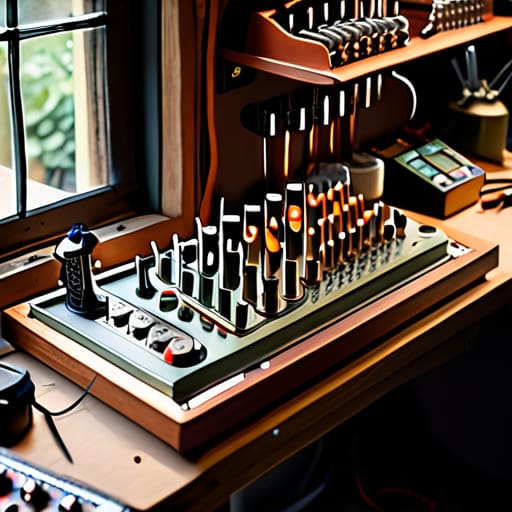
Here’s the difference: a goal is a destination you hope to reach, but a system is the actual vehicle that gets you there. When you focus solely on the “what,” you’re essentially living in a constant state of failure until the very moment you succeed. It’s exhausting. If I set a goal to restore a vintage Moog synth by next month, I’m just stressed about the deadline. But if I build a system around daily maintenance and component testing, I’m actually making progress every single afternoon. This shift from process vs outcome orientation is what keeps you from burning out by week three.
This is where the magic of long term behavioral change actually happens. Instead of white-knuckling your way toward a massive milestone, you’re just optimizing your day-to-day reality. Think of it like my approach to server maintenance; I don’t just wait for a crash to “fix” it. I build automated scripts and routine checks so the system stays healthy on autopilot. When you stop obsessing over the finish line and start refining your daily routine optimization, you stop relying on fleeting bursts of motivation and start relying on a structure that actually supports your real, messy life.
How to Actually Build a System That Doesn't Break by Tuesday
- Audit your current “goals” and strip them down to the smallest possible repetitive action. If your goal is “write a book,” your system is “open laptop at 8:00 AM and write 100 words.” One is a vague dream; the other is a task you can actually schedule.
- Design for your worst day, not your best. We all have those days where the Wi-Fi is down, the coffee spilled, and your brain is mush. A good system has a “low-power mode”—a version of your routine that is so easy even a tired, stressed-out version of you can complete it.
- Stop looking at the scoreboard and start looking at the machinery. In my IT work, I don’t care if a server is “successful”; I care if the protocols are running correctly. Apply that same logic to your life. If the process is working, the results will eventually take care of themselves.
- Use tools that actually serve you, not just tools that look cool on a desk setup. If a complex project management app makes you feel more overwhelmed than organized, ditch it. A simple checklist or a physical notebook is infinitely better than a high-tech system you’re too intimidated to use.
- Build in regular maintenance checks. Just like a vintage synth needs its components cleaned to keep from drifting out of tune, your systems need a weekly review. Ask yourself: “Is this system actually making my life easier, or am I just performing productivity theater?”
Build for the Long Haul
At the end of the day, goals are just destinations on a map, but systems are the actual vehicle that gets you there. If you spend all your energy staring at the horizon, you’re going to trip over the very tools you need to move forward. We’ve talked about how outcome orientation can leave you feeling burnt out and empty, and why shifting your focus toward repeatable, daily processes is the only way to actually see progress. Stop trying to force a “perfect” result and start focusing on optimizing your daily workflow. When you prioritize the process over the prize, you stop being a slave to your milestones and start becoming the architect of your own routine.
I know it’s tempting to chase that dopamine hit that comes with checking a massive goal off a list, but that feeling is fleeting. Real, sustainable change doesn’t happen in a single burst of inspiration; it happens in the quiet, boring moments when your systems are running smoothly in the background. Don’t worry about looking like you have it all figured out for the internet. Just focus on making your life function better one small, repeatable habit at a time. Build something that works for the person you are today, not the idealized version of yourself you think you should be.
Frequently Asked Questions
If I stop focusing on the big goal, how do I know if I'm actually making progress or just spinning my wheels?
That’s the million-dollar question, right? It feels like you’re just running on a treadmill. But here’s the thing: stop looking for the “big win” and start looking at your logs. If your system is “write 500 words a day,” progress isn’t a finished book; it’s the fact that you actually sat down and typed. If the inputs are consistent, the output is inevitable. If you’re hitting your daily metrics, you aren’t spinning your wheels—you’re building momentum.
How do I actually build a system for something that feels too huge or vague, like "getting my life together"?
Look, “getting your life together” is a terrifyingly vague concept. It’s like trying to troubleshoot a server error without a log file—you’re just stabbing in the dark. Stop trying to fix “everything” and start looking for the smallest, most repeatable friction points. Can’t fix your whole life? Fine. Build a system for your laundry or a system for your inbox. Once those small loops are automated, the big stuff stops feeling so heavy.
Is there a way to balance both, or am I supposed to completely ditch my long-term goals to focus on daily habits?
Look, I’m not saying you should delete your five-year plan and just live for the next cup of coffee. Goals are actually useful—they’re your North Star. But think of your goal as the destination on a map and your system as the actual car you’re driving. You need the map so you don’t drive in circles, but if the car’s engine is dead, the map is just a piece of paper. Use goals to decide where you’re going, then pivot all your energy into building the engine.
How do I keep myself from getting overwhelmed when my "system" inevitably breaks down or life gets messy?
Look, I’ve been there. I once spent three days rebuilding a vintage synth only to realize I’d missed a single tiny capacitor. It’s frustrating. When your system breaks, don’t scrap the whole thing. Treat it like a bug in your code: isolate the failure, patch it, and move on. Life is messy, and systems are meant to be flexible, not fragile. If it breaks, just perform a quick reset and start again.