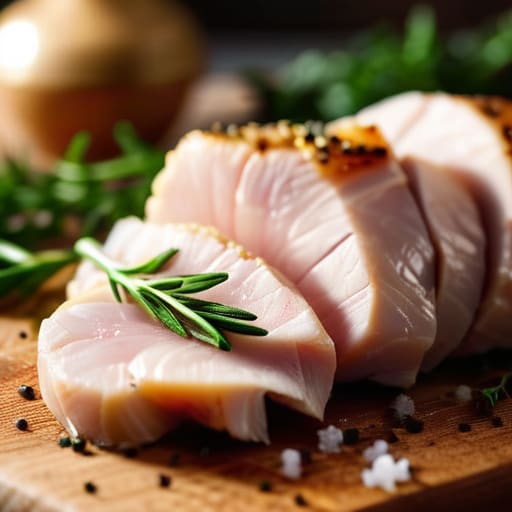
I’m so tired of seeing these “gourmet” cooking tutorials that act like you need a chemistry degree and a $200 copper pan just to get through dinner. Honestly, if I see one more influencer spend ten minutes talking about “marinating in artisanal essences” before showing you a dry, rubbery piece of meat, I might actually lose it. Most people make learning how to cook chicken breast way harder than it needs to be because they’re chasing an aesthetic instead of a result. You don’t need a pantry full of expensive spices or a culinary degree to avoid that sad, sawdust texture; you just need a system that actually works.
I’m not here to give you a recipe that requires a trip to a specialty grocery store. Instead, I’m going to show you the most efficient, low-maintenance way to get juicy, flavorful results every single time you turn on the stove. We’re stripping away the fluff and focusing on the functional basics—temperature, timing, and simple seasoning. By the time we’re done, you’ll have a reliable method that fits into your real life, not some curated version of it.
The Best Way to Thaw Chicken Without the Chaos
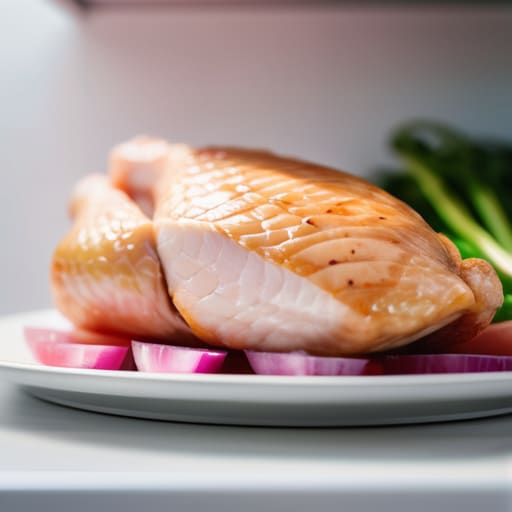
Look, we’ve all been there: it’s 6:00 PM, you’re starving, and you realize the chicken you planned to cook is still a solid block of ice. Your first instinct might be to throw it in a bowl of hot water, but please, don’t do that. Aside from being a massive food safety gamble, it ruins the texture before you even start. If you want to avoid a kitchen disaster, the best way to thaw chicken is the slow-and-steady method: moving it from the freezer to the fridge about 24 hours before you actually need it. It takes a little bit of foresight, but it keeps the protein structure intact so you aren’t dealing with a mushy mess later.
If you’re a victim of your own procrastination like I used to be, your only real move is the cold water bath. Seal the chicken in a leak-proof bag—seriously, double-check the seal—and submerge it in a bowl of cold water, changing the water every thirty minutes. It’s faster than the fridge, but it’s still a manual process. Whatever you do, stay away from the microwave unless you want half of your dinner to be “cooked” and the other half to be frozen. A little bit of planning prevents the chaos later when you’re actually trying to focus on the seasoning.
The One Internal Temperature for Chicken That Actually Matters
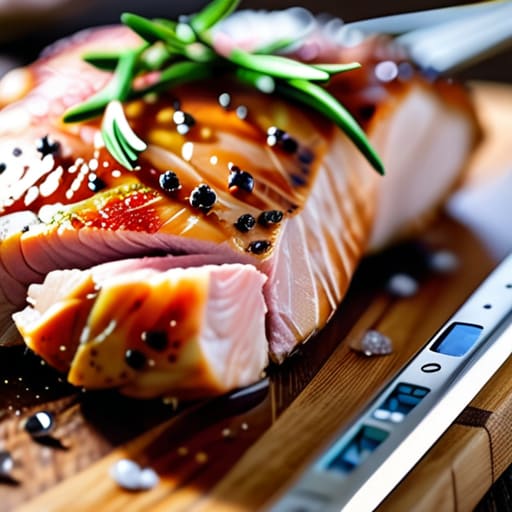
Look, I get it. You’ve seen those videos where people pull apart meat that looks like a literal cloud, and you’re sitting there wondering if yours is going to turn into a piece of seasoned drywall. The secret isn’t some fancy culinary degree; it’s just knowing the one number that actually matters. If you want to stop guessing and start eating, you need to focus on the internal temperature for chicken. Forget everything else you’ve heard about “feel” or “color”—if you aren’t using a digital meat thermometer, you’re basically just playing Russian roulette with your dinner.
The magic number is 165°F (74°C). I know, it sounds high, but that is the absolute threshold where you ensure the meat is safe without turning it into something you’d use to sole a boot. If you’re using a pan-seared chicken breast method, the heat from the pan can be deceptive, cooking the outside way faster than the middle. This is where most people fail. My rule of thumb? Pull the chicken off the heat when it hits about 160°F. The carryover cooking will do the rest of the work while the meat rests, bringing it up to that perfect 165°F mark naturally. It’s a simple system, it’s foolproof, and it’s the only way to guarantee you aren’t wasting good ingredients.
5 Ways to Stop Making Dry, Sad Chicken
- Pat it dry like your life depends on it. If you throw chicken into a pan while it’s still dripping with moisture, you’re not searing it; you’re steaming it. Use a paper towel and get that surface bone-dry so you actually get a crust instead of a gray, rubbery mess.
- Salt it early, not right before it hits the heat. If you have the foresight, salt your chicken about 15 to 30 minutes before cooking. It helps the seasoning penetrate the meat rather than just sitting on top, and it actually helps the texture stay juicy.
- Stop treating every breast like it’s the same size. Some are thick slabs and some are thin little things. Use a meat mallet or even the bottom of a heavy jar to pound the thickest part until it’s even. If the thickness is consistent, it cooks evenly instead of being burnt on the edges and raw in the middle.
- Don’t touch it every five seconds. I get it, you want to check on it, but every time you flip that piece or move it around, you’re losing heat and messing with the sear. Let it sit, let the heat do its job, and only flip it when it’s actually ready to let go of the pan.
- Let it rest before you even think about cutting it. This is where most people fail. If you slice into that chicken the second it leaves the pan, all the juice is going to run out onto your plate, leaving you with nothing but dry fibers. Give it five minutes to settle so the moisture stays where it belongs—inside the meat.
Stop Overthinking the Protein
Look, at the end of the day, cooking chicken shouldn’t feel like you’re debugging a complex server error. If you remember nothing else, just remember this: thaw it safely in the fridge to avoid a kitchen disaster, season it aggressively so it actually tastes like something, and trust your thermometer over any “color-based” guesswork. You don’t need a culinary degree or a kitchen full of expensive gadgets to get this right; you just need a solid system that prioritizes safety and flavor without the unnecessary stress.
I know the internet makes cooking look like this high-stakes, aesthetic performance, but honestly? It’s just fuel. My goal isn’t to turn you into a Michelin-star chef, it’s to help you master the basics so you can stop stressing about dinner and start actually enjoying it. Once you realize that cooking is just a series of small, manageable processes, the whole thing becomes way less intimidating. So, grab your multi-tool (or just a decent pair of tongs), get that temperature right, and just start cooking. You’ve totally got this.
Frequently Asked Questions
Is it actually okay to cook chicken straight from the freezer if I'm in a massive rush?
Look, I get it—you’re running on caffeine and zero time. The short answer is yes, you can cook it straight from the freezer, but don’t expect a miracle. You’ll need to add about 50% more cooking time, and you have to be careful; the outside can get dry and rubbery before the middle even thinks about being done. If you go this route, use a meat thermometer. Seriously. Don’t wing it.
How do I stop my chicken from turning into a dry, rubbery sponge every single time?
Look, if your chicken is coming out like a dry sponge, you’re probably overthinking the seasoning and underthinking the moisture. First, stop cooking it naked; brine it in salt water for thirty minutes before it hits the pan. Second, and this is the big one, stop leaving it in the heat just because you’re afraid of a little pink. Pull it off the heat the second it hits 160°F—carryover cooking will take it to safety while it rests.
Do I really need to marinate it for hours, or is there a faster way to get some actual flavor in there?
Look, if you’re waiting six hours for a marinade to work its magic, you’re probably too hungry to care. You don’t need a marathon session. If you’re in a rush, just salt the hell out of it early—salt is a flavor conductor. Or, better yet, go heavy on the dry rub right before it hits the pan. It creates a crust that packs more punch than a soggy, diluted liquid soak ever could.
What’s the best way to season it if I don't have a cabinet full of expensive spices?
Look, you don’t need a $50 spice rack to make this taste good. If you’re staring at a bare pantry, just lean on the basics: salt and pepper. Seriously. If you have garlic powder or even just some dried oregano hiding in the back, throw it on. The goal isn’t a gourmet flavor profile; it’s just building a foundation so the meat doesn’t taste like nothing. Keep it simple and let the heat do the work.