I spent my childhood watching my dad take apart old radios and synthesizers, and if there’s one thing I learned from him, it’s that you don’t need a $500 specialized tool to fix something—you just need to understand how the components work. The same logic applies to your kitchen, yet somehow, the internet has convinced us that learning how to cook vegetables requires an absurd amount of expensive gadgets, artisanal oils, and a degree in culinary arts. Honestly, if I see one more “aesthetic” video of someone spending forty minutes micro-planing a single radish just for the vibes, I might actually lose it.
We’re skipping the gatekeeping and the performative plating today. I’m going to show you how to actually master the heat and the seasoning so your food tastes good without turning your kitchen into a high-maintenance laboratory. My goal is to give you a set of functional systems for your meals—methods that are repeatable, efficient, and, most importantly, actually delicious. We aren’t aiming for a magazine cover; we’re aiming for a dinner that actually works for your life.
The Best Ways to Prepare Vegetables Without the Stress
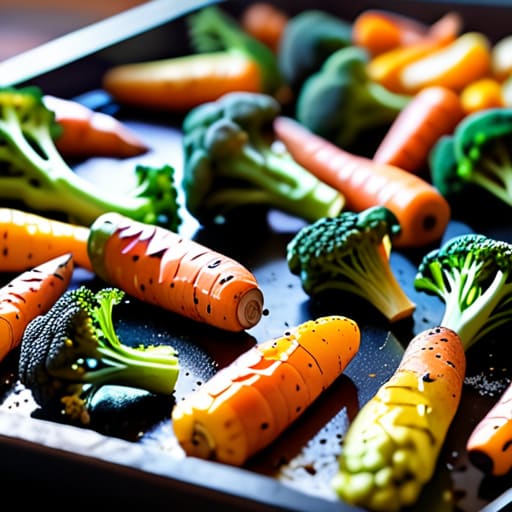
Look, if you’re still staring at a pile of raw produce wondering why everything you make tastes like wet cardboard, we need to talk about your workflow. Most people stress because they think they need a culinary degree, but it’s really just about choosing the right heat. When you’re weighing steaming vs roasting vegetables, remember that steaming is your best friend for a quick, clean side dish when you’re low on time, but roasting is where the magic happens. Roasting uses high, dry heat to caramelize the natural sugars, turning a boring head of broccoli into something that actually tastes like a treat.
The real secret to staying consistent, though, isn’t about complex recipes; it’s about seasoning vegetables for flavor without overthinking it. I always keep a “flavor kit” in my pantry—good kosher salt, a decent pepper grinder, and maybe some garlic powder or red pepper flakes. Don’t be afraid to be aggressive with the seasoning. If you’re aiming for the best ways to prepare vegetables that won’t leave you feeling sluggish, focus on adding healthy fats like olive oil or avocado oil. This doesn’t just make them taste incredible; it actually helps your body absorb the nutrients. Keep it simple, keep it seasoned, and stop treating mealtime like a chore.
Quick Vegetable Side Dishes for Your Busiest Weeknights
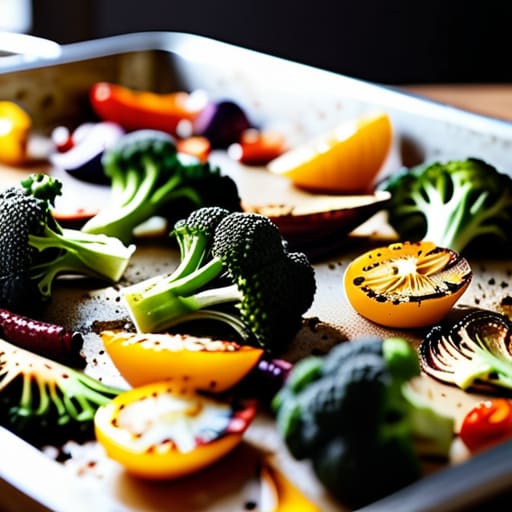
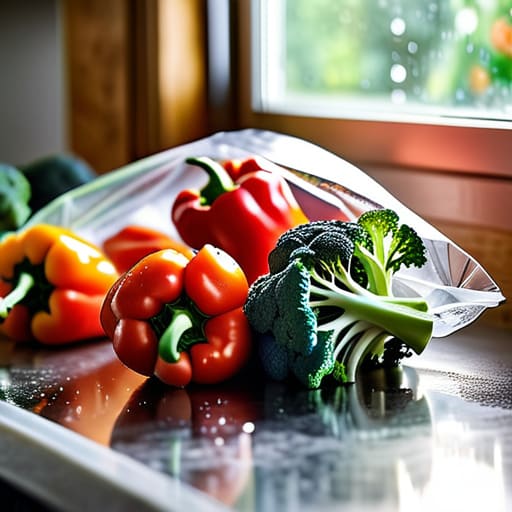
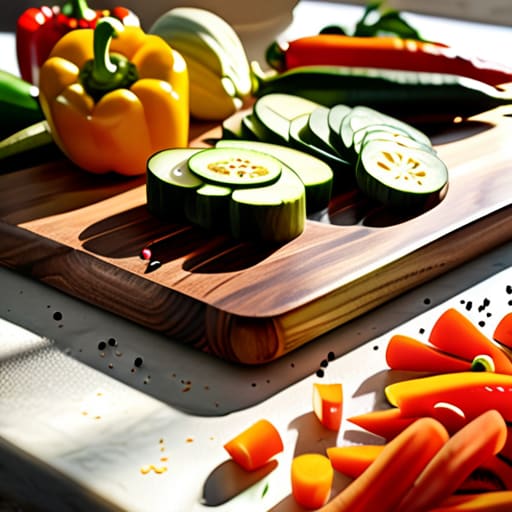
Look, we’ve all had those nights where the brain fog is real and the last thing you want to do is stand over a stove for forty minutes. When I’m deep in a systems migration or mid-edit on a video, I don’t have the bandwidth for complex recipes. For me, the gold standard for quick vegetable side dishes is the “sheet pan toss.” You just chop whatever is looking sad in your crisper drawer—broccoli, bell peppers, or even halved Brussels sprouts—toss them in olive oil, salt, and pepper, and let the oven do the heavy lifting. It’s way more efficient than constant stirring, and honestly, it’s one of the best ways to prepare vegetables when you’re running on zero fumes.
If you’re even shorter on time, don’t sleep on the microwave or a quick sauté. I usually keep a bag of frozen peas or corn in the freezer because they’re basically foolproof. A quick steam in a bowl with a splash of water and a lid takes about three minutes. The trick to making sure it doesn’t taste like sadness is all about seasoning vegetables for flavor right at the end. A squeeze of lemon or a dash of red pepper flakes makes a massive difference. It’s not about being a gourmet chef; it’s about getting something decent on your plate so you can actually fuel your brain.
Five Low-Maintenance Rules for Better Veggies
- Stop over-prepping. You don’t need a perfectly diced mirepoix for every meal; just chop them into chunks that are roughly the same size so they actually cook at the same rate without you staring at the pan for twenty minutes.
- Salt your water like the ocean. If you’re boiling anything—potatoes, broccoli, whatever—don’t be shy with the salt. It’s the only way to get flavor into the actual center of the vegetable instead of just coating the outside in seasoning.
- Don’t fear the high heat. If you’re sautéing, let the pan get hot before the veggies hit the oil. You want that slight char and caramelization that makes them taste good, not a sad, steamed pile of mush.
- Keep your tools sharp. I know it sounds like “adulting” advice, but a dull knife makes prepping vegetables a chore you’ll eventually start avoiding. A sharp blade makes the whole process faster and way less frustrating.
- Use the “residual heat” trick. Take your veggies off the heat when they’re just a tiny bit underdone. They’ll finish cooking in the pan while you’re plating, which prevents that dreaded overcooked, grey texture.
Stop Overthinking the Plate
At the end of the day, cooking vegetables doesn’t need to be a high-stakes technical operation. Whether you’re roasting them until they get those crispy, caramelized edges or just throwing some greens into a pan with garlic and heat because you’re exhausted, the goal is the same: getting nutrients into your system without the mental burnout. You don’t need a sous-vide machine or a dozen specialized kitchen gadgets to make this work. Just remember that simplicity is your best friend here. If a method feels too complicated for your Tuesday night brain, skip it. Stick to the basics, keep your tools clean, and let the heat do the heavy lifting.
I know the “wellness” side of the internet makes healthy eating look like a curated, color-coded masterpiece, but let’s be real—most of us are just trying to keep our systems running smoothly. Cooking isn’t about achieving some aesthetic perfection; it’s about building a sustainable habit that actually fits into your real, messy life. Don’t let the fear of a burnt batch of broccoli stop you from even trying. Just grab your pan, turn on the heat, and start building your own workflow. You’ve got this, and honestly, your future, well-fed self will definitely thank you.
Frequently Asked Questions
How do I stop my vegetables from turning into a mushy, sad mess every time I cook them?
The “mushy mess” struggle is real, and it usually comes down to two things: heat management and timing. Stop treating every veggie like it needs a marathon in the pan. Hard stuff like carrots need time; delicate stuff like spinach needs seconds. If you’re boiling them, use a timer and hit them with ice water immediately to stop the cooking. Honestly, just roast them at high heat instead—it adds texture and saves you the mental load.
Is there a way to prep my veggies on Sunday so I'm not chopping everything from scratch on a Tuesday night?
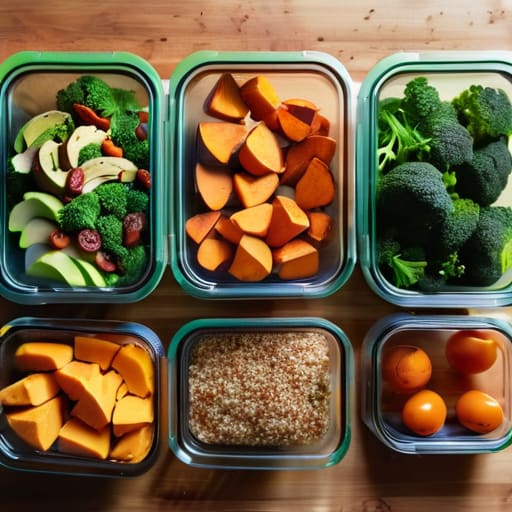
Oh, absolutely. If you wait until Tuesday night to start chopping, you’ve already lost the battle. I swear by the “prep once, eat thrice” rule. Spend thirty minutes on Sunday washing and chopping your hardier stuff—think carrots, broccoli, or bell peppers—and toss them into airtight containers. Just keep the moisture in check with a paper towel so they don’t get slimy. It’s not about being a meal-prep influencer; it’s just about making Tuesday easier.
I feel like I'm eating the same three things—how can I actually make vegetables taste good without needing a pantry full of expensive spices?
Look, you don’t need a $50 spice rack to stop the vegetable boredom. Honestly? Most people fail because they’re afraid of salt and fat. If you’re tired of mushy, bland stuff, lean into high heat and basic pantry staples. A little olive oil, plenty of salt, and some cracked pepper go a long way. If you have garlic powder or even just a squeeze of lemon, use it. Keep it simple; just make them crispy.
What’s the easiest way to cook a bunch of different veggies at once without them all having different cooking times?
The secret is to stop treating every vegetable like a separate project and start thinking about “density.” If you’re tossing everything in one pan, group them by how much structural integrity they have. Throw your hard stuff—carrots, potatoes, or broccoli stems—in first. Give them a head start for about five minutes, then toss in the soft stuff like peppers or zucchini. It’s basically just staggered deployment to ensure nothing turns to mush.