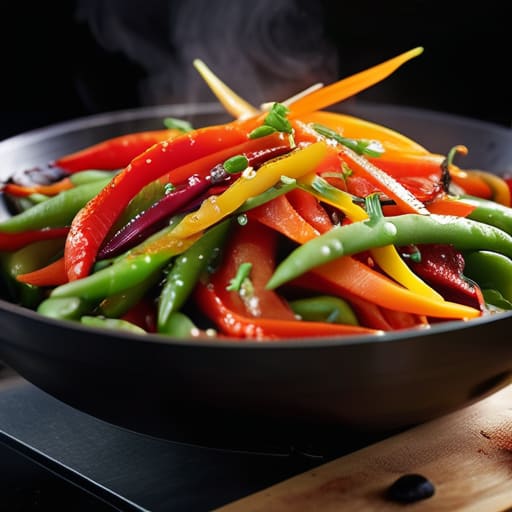
Can we please stop pretending that you need a $200 carbon steel wok and a specialized chef’s knife just to get a decent meal on the table? I see these “aesthetic” cooking videos all over my feed, filled with perfectly julienned vegetables and expensive, hard-to-find sauces that make the process look like a meditative ritual. In reality, most people just want to know how to make a stir fry that doesn’t end up as a soggy, sad pile of limp broccoli in a pool of salty water. If you’re staring at a random assortment of veggies in your fridge and feeling overwhelmed by the “proper” way to do it, you’re doing it wrong.
I’m not here to teach you culinary school techniques or sell you a lifestyle; I’m here to give you a system that actually works when you’re tired and hungry. I’m going to break down the logic of heat management and prep order so you can build your own meals without the gatekeeping. We’re going to focus on high-impact, low-effort moves that ensure your food stays crisp, flavorful, and—most importantly—actually edible.
Smart Vegetable Prep for Stir Fry Success
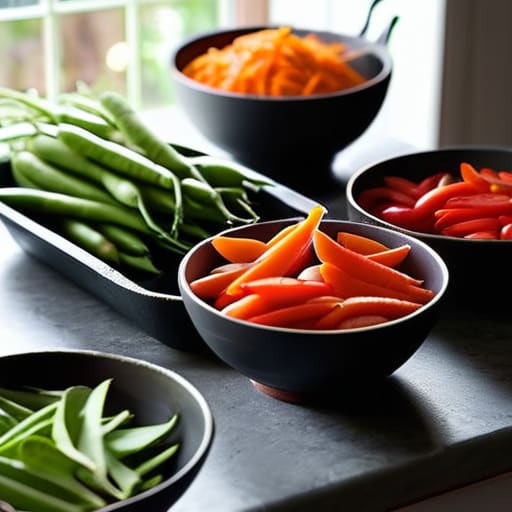
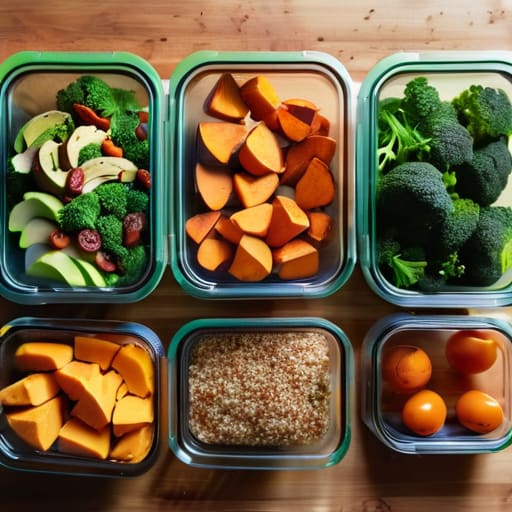
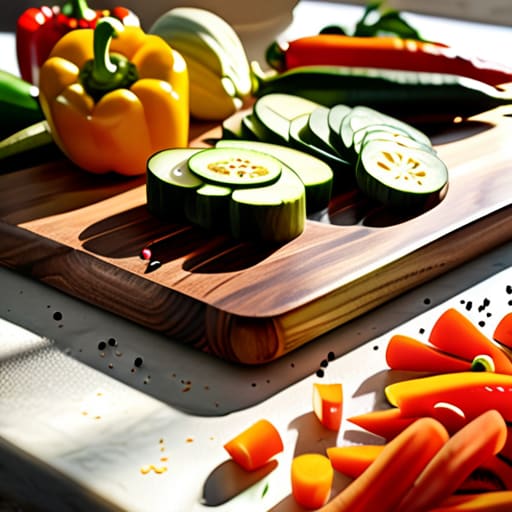
Look, I’m going to be real with you: the biggest mistake people make isn’t the seasoning, it’s the timing. If you’re standing over a smoking pan trying to chop a carrot while your garlic is already turning into charcoal, you’ve already lost. Proper vegetable prep for stir fry is basically just an exercise in systems management. I like to treat it like a pre-flight checklist. Everything needs to be sliced, diced, and grouped into little piles before you even think about touching the stove.
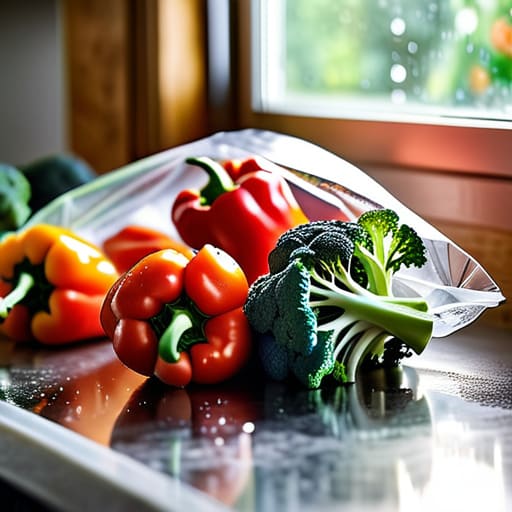
When it comes to the actual cutting, aim for uniformity. If your broccoli florets are huge and your bell peppers are paper-thin, you’re going to end up with a sad, uneven mess of mush and raw crunch. I usually go for a consistent bite-sized piece so everything hits that perfect texture at the same time. Also, a pro tip from my DIY days: keep your “hard” veggies (carrots, onions) in one pile and your “soft” ones (spinach, snap peas) in another. This allows you to manage the heat better, which is the secret to mastering those high heat cooking methods without burning your kitchen down. Get organized, get it all in bowls, and then you can actually enjoy the process.
Protein Seasoning for Stir Fry Without the Fuss
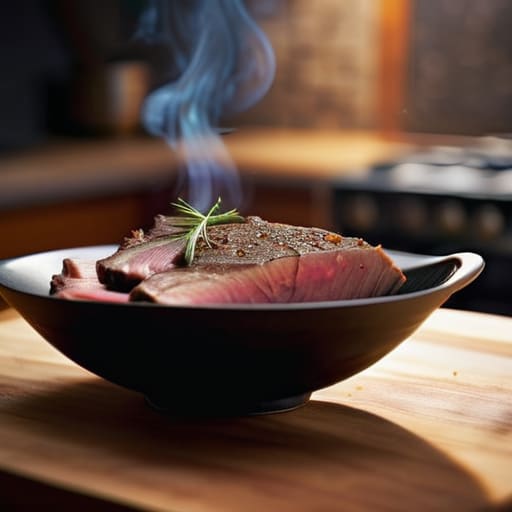
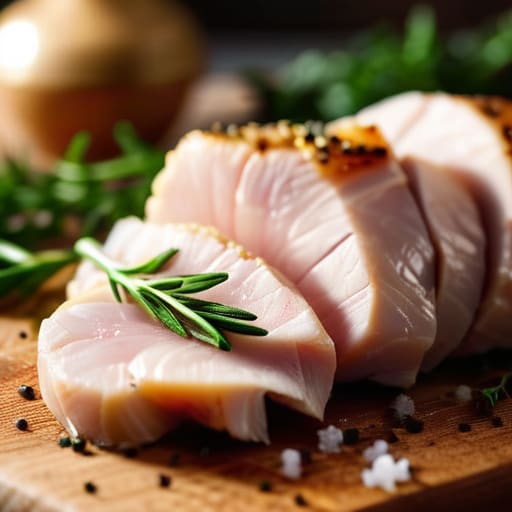
Look, I’m not here to tell you that you need a twelve-step marinade that sits in the fridge overnight. If you’re looking for quick weeknight meal ideas, you don’t have the bandwidth for that. When it comes to protein seasoning for stir fry, the goal is flavor density without the wait. Whether you’re working with thinly sliced chicken, flank steak, or even firm tofu, just toss your protein in a bowl with a splash of soy sauce, a tiny bit of toasted sesame oil, and a pinch of cornstarch. That cornstarch is my secret weapon; it creates a slight barrier that helps the protein stay juicy even when you’re using high heat cooking methods that would otherwise dry it out in seconds.
Don’t stress about getting the seasoning “perfect” or matching some professional chef’s complex spice blend. Just keep it simple: salt, pepper, garlic powder, and maybe a dash of ginger powder if you have it handy. The real magic happens when the seasoning hits the pan and interacts with your stir fry sauce ingredients later on. You want the protein to have a bit of a crust so it can grab onto that sauce once everything is tossed together. Just get it in, get it seared, and move on to the next step.
5 Ways to Stop Your Stir Fry from Turning Into a Soggy Mess
- Get your station set up before you even touch the stove. I’m talking about having your sauce mixed, your veggies chopped, and your protein ready in little piles. Once that heat is on, you don’t have time to go hunting for the soy sauce while your garlic is burning.
- Use a high smoke point oil. Forget the extra virgin olive oil; it’ll smoke and taste bitter the second things get hot. Grab some avocado oil, peanut oil, or even just a decent canola. You need something that can actually handle the heat without breaking down.
- Don’t crowd the pan. If you dump a mountain of veggies into a small skillet all at once, the temperature drops and everything starts steaming instead of searing. Cook in batches if you have to—it’s better to have two quick rounds of frying than one big pile of mush.
- Master the “Dry-ish” rule. If your vegetables are soaking wet from being washed, they’re going to steam in the pan. Give them a good spin in a salad spinner or pat them down with a towel. You want that sizzle, not a puddle.
- Timing is everything. Harder veggies like carrots or broccoli go in first, then the softer stuff like bell peppers or snap peas, and finally your aromatics like ginger and garlic. If you throw the garlic in at the same time as the broccoli, you’ll end up with burnt, bitter bits.
Eat, Repeat, and Don't Stress
At the end of the day, a great stir fry isn’t about following a rigid recipe to the letter or having a professional chef’s knife skills. It’s really just about the workflow. You’ve got your veggies prepped so they don’t burn while you’re searching for a spatula, and your protein is seasoned enough to actually taste like something. Once you have those two systems in place, the actual cooking part becomes almost automatic. Just keep the heat high, keep things moving, and don’t be afraid to adjust the sauce on the fly if it looks a little too thin or too salty. It’s a living process, not a math equation.
I know that when you’re staring at a pile of raw ingredients and a messy kitchen, it can feel like just another chore on an endless to-do list. But honestly? Once you master this, you’ve unlocked a superpower. You’re no longer at the mercy of expensive, mediocre takeout or overpriced meal kits. You have the tools, the logic, and the setup to feed yourself something genuinely good in under twenty minutes. Stop waiting for the “perfect” moment to cook and just get it in the pan. You’ve totally got this.
Frequently Asked Questions
My veggies always turn out mushy—how do I keep them actually crunchy?
The “mushy veggie” trap is real, and it usually happens because you’re crowding the pan or cooking everything at once. If you dump a mountain of cold veggies into a lukewarm wok, they’ll steam in their own juices instead of searing. You want high heat and space. Cook them in batches, start with the hard stuff like carrots first, and pull them out before they look done. They’ll finish cooking in the sauce later.
Do I really need a wok, or can I just use the heavy pan I already have?
Honestly? No, you don’t need a fancy wok. I’ve spent way too much money on “essential” gear that just sits in my cupboard collecting dust. If you have a heavy skillet or a cast iron pan, you’re golden. The key isn’t the shape of the pan; it’s the heat. Just make sure your pan is heavy enough to hold onto that heat so you’re actually searing the food instead of just steaming it in its own juices.
What’s the best way to make a sauce that actually sticks to the food instead of pooling at the bottom?
The secret isn’t more sauce; it’s the starch. If your sauce is just pooling at the bottom like a sad puddle, you’ve missed the slurry step. Mix a teaspoon of cornstarch into your cold liquid (soy sauce, broth, etc.) before adding it to the pan. Once it hits the heat, it activates and creates that glossy, clingy coating that actually sticks to your veggies instead of drowning them. Simple, effective, no waste.
How do I stop the pan from steaming everything instead of getting that nice sear?
Look, if your stir fry looks more like a sad, boiled soup than a sear, you’re likely overcrowding the pan. When you dump too much in at once, the temperature drops and all that moisture gets trapped, turning your heat into steam. Work in batches. Get the pan ripping hot, sear your protein and veggies in small groups, and pull them out. Only combine everything at the very end once the pan’s recovered its heat.