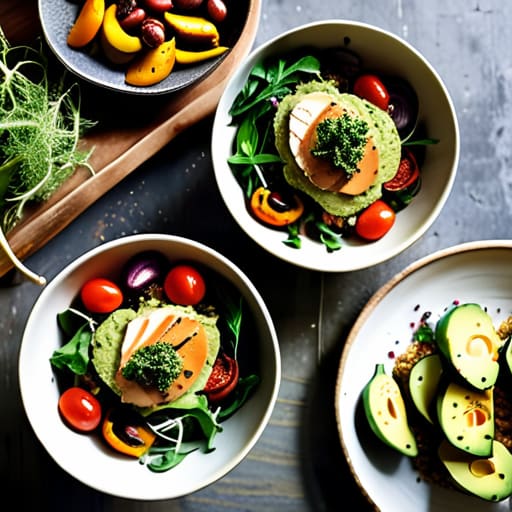
Let’s be real: most “healthy eating” content online feels like it was designed for people who have three hours to prep organic microgreens and a dedicated sous-chef. When I’m deep in a systems migration or elbow-deep in a vintage synth repair, the last thing I want to do is follow a recipe that requires twenty different spices and a sense of zen I just don’t possess. We’ve been conditioned to think that finding healthy dinner ideas has to be this massive, exhausting production, but that’s exactly how you end up ordering takeout for the third time this week. It’s not about being perfect; it’s about functional fuel that doesn’t crash your system by 9 PM.
I’m stripping away the fluff and the unnecessary kitchen gadgets to give you a streamlined toolkit for your evening meals. I’ve rounded up 8 specific, high-efficiency options that prioritize actual nutrition without sacrificing your sanity or your schedule. You’re going to learn how to assemble meals that are low-maintenance but high-output, ensuring you actually eat something decent even on your most chaotic days. No gatekeeping, no aesthetic nonsense—just real food that works as hard as you do.
The Sheet Pan Savior
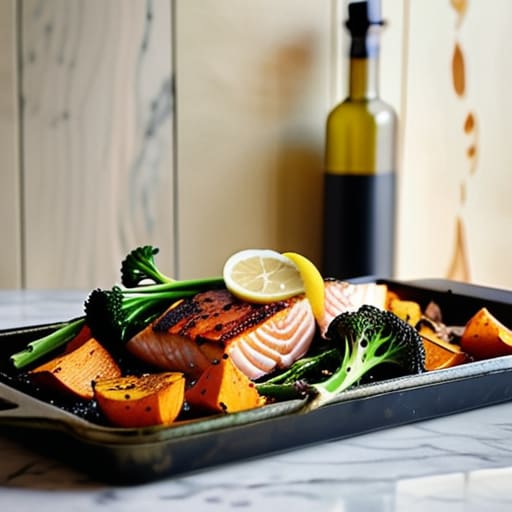
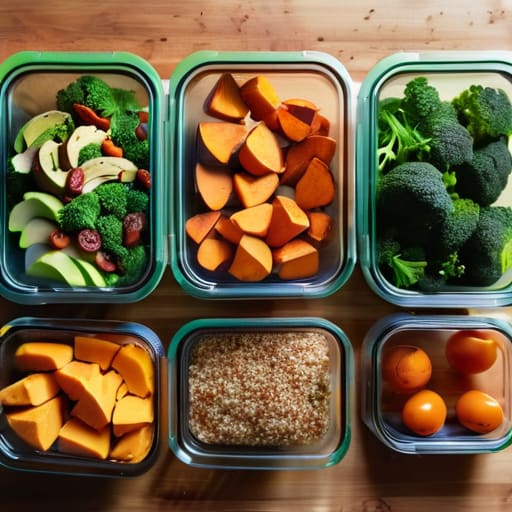
If you’re anything like me, the last thing you want to do after a long day of troubleshooting server errors is stand over a stove for forty minutes. The sheet pan method is my absolute go-to because it’s basically automated cooking. You just toss some chopped sweet potatoes, broccoli, and a protein like salmon or chicken thighs onto a tray, drizzle with olive oil and spices, and let the oven do the heavy lifting while you finally decompress.
Grain Bowls That Don't Suck
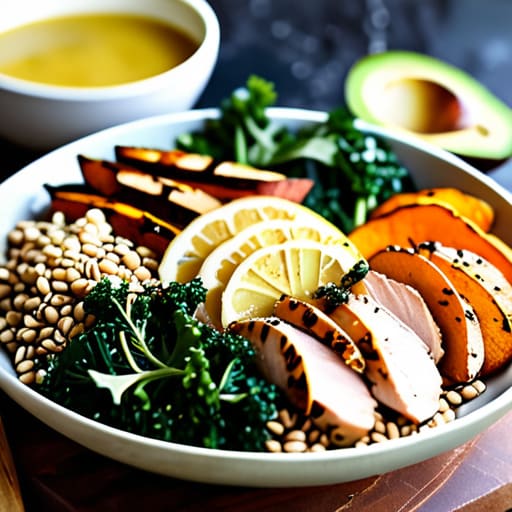
I used to think grain bowls were just overpriced stuff you’d find at a trendy cafe, but once I realized they are just a modular system for eating, everything changed. Think of it like building a PC: you need a base (grains like quinoa or farro), a component (roasted veggies or fresh greens), and the critical connections (protein and healthy fats). You can prep a big batch of grains on Sunday and then just assemble different versions throughout the week.
One-Pot Pasta Logic
Most people think healthy pasta means eating a tiny portion of plain noodles with a single leaf of basil, which is honestly depressing. Instead, try the one-pot approach where you cook your pasta directly in a broth or a light tomato sauce loaded with hidden veggies. Adding spinach, diced zucchini, or even some lentils directly into the pot adds bulk and nutrients without requiring extra pans or complex timing.
The "Everything" Stir-Fry
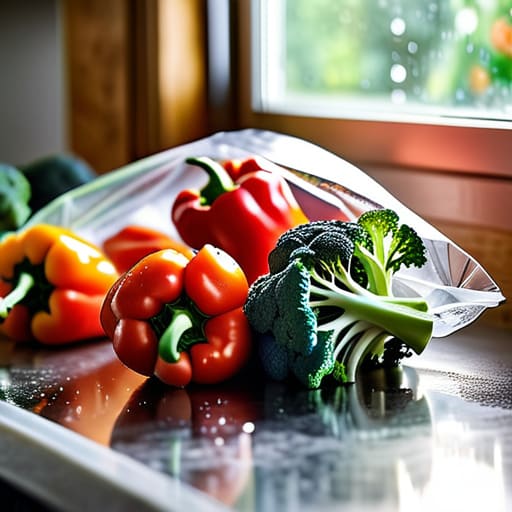
My fridge usually looks like a graveyard of half-used vegetables by mid-week, and the stir-fry is my ultimate tool for waste reduction. It’s the most flexible system I know; if you have a limp bell pepper, some frozen peas, and half an onion, you have the start of a great meal. Just toss them into a hot pan with a bit of ginger and garlic, add a protein, and you’re golden.
Breakfast for Dinner Strategy
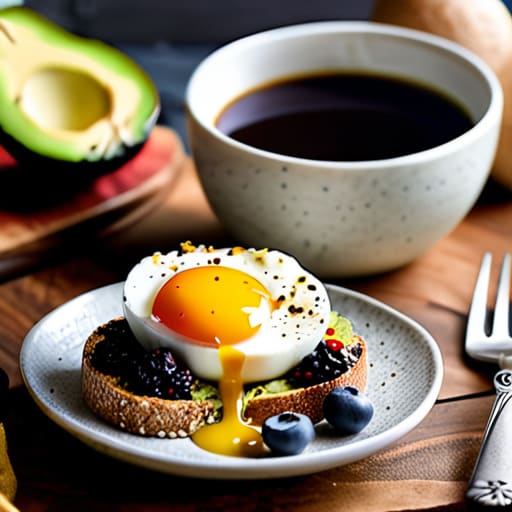
Sometimes, the mental load of deciding what to cook for dinner is just too much. In those moments, I revert to the most reliable system in my repertoire: breakfast. A veggie-heavy omelet or some savory avocado toast with a fried egg is incredibly easy to whip up and provides a perfect balance of fats and proteins to keep you full.
Loaded Stuffed Sweet Potatoes
Sweet potatoes are the unsung heroes of the pantry. They are incredibly shelf-stable, which is great for my minimalist kitchen setup, and they act as a natural vessel for whatever else you have on hand. You just microwave or bake them until they’re soft, split them open, and stuff them with goodness like black beans, salsa, or even some leftover shredded chicken.
High-Protein Salad Systems
Let’s be real: most salads are just sad piles of lettuce that leave you hungry twenty minutes later. To make a salad actually work as a dinner, you have to treat it like a structural build. You need a heavy hitter—think chickpeas, hard-boiled eggs, tuna, or grilled tofu—and you need some crunch from nuts or seeds to keep things interesting.
Slow Cooker Set-and-Forget
If you have a busy week where your schedule is looking particularly chaotic, the slow cooker is your best friend. It’s the ultimate passive cooking tool. You can throw a bunch of beans, spices, and some hearty vegetables into the pot in the morning, and by the time you’ve finished your workday, you have a nutritious stew or chili waiting for you.
Stop Overthinking Your Plate
At the end of the day, these eight ideas aren’t about achieving some unattainable culinary perfection or following a rigid, soul-crushing meal plan. Whether you’re throwing together a quick sheet-pan salmon or repurposing last night’s roasted veggies into a massive grain bowl, the goal is the same: fueling your body without the mental tax. You don’t need a pantry full of exotic superfoods to make this work. You just need a few reliable staples, a bit of prep, and the realization that functional eating is much more sustainable than chasing every fleeting wellness trend on your feed.
I know how easy it is to let the “what’s for dinner” panic settle in around 6:00 PM, especially when your brain is already fried from a long day of troubleshooting or staring at screens. But remember, your kitchen shouldn’t be another source of stress; it should be a system that works for you. Treat your meal prep like you would a well-organized server rack—keep it clean, keep it simple, and make sure the components are ready when you need them. Stop waiting for the “perfect” time to start eating better and just start where you are. You’ve got this.
Frequently Asked Questions
How do I keep these meals from tasting like cardboard when I'm prepping them for the whole week?
The “cardboard” vibe usually happens because you’re overcooking everything during prep. If you’re steaming veggies until they’re mush, they’ll be sad by Wednesday. Keep your proteins slightly underdone and your veggies crisp; they’ll finish “cooking” when you reheat them. Also, don’t skimp on the acid—a squeeze of lime or a dash of vinegar right before eating wakes everything up. Basically, treat your meal prep like a system: prep the components, not just the final mush.
I’m on a tight budget—can I swap out the expensive proteins for something cheaper without ruining the macros?
Absolutely. Honestly, chasing expensive “superfoods” is just another way to drain your bank account for zero functional gain. If you’re looking to slash your grocery bill without tanking your macros, swap the pricey salmon or organic chicken for canned tuna, lentils, or even eggs. They’re reliable, easy to store, and hit your protein targets perfectly. Focus on the nutrient density and the utility, not the fancy label. Keep it simple and keep your budget intact.
Is there a way to make these even faster when I'm coming home late and my brain is basically fried?
Look, I get it. When your brain is mush and you’ve been staring at a terminal all day, even “simple” feels like too much. My hack? The “Assembly Method.” Stop thinking about cooking and start thinking about assembling. Keep high-quality, pre-washed greens and rotisserie chickens in the fridge. You aren’t making a recipe; you’re just throwing pre-prepped components into a bowl. Zero knife skills, zero mental load, and you’re eating in under five minutes.
What’s the best way to store these so they don't turn into a soggy mess by Thursday?
The secret is keeping the “wet” stuff away from the “dry” stuff. If you’re prepping salads or bowls, use glass containers with dividers or just layer them like a mason jar: dressing on the bottom, then hearty veggies, then your protein, and the greens right at the top. If you’re doing cooked grains or roasted veg, let them cool completely before sealing the lid. If you trap steam in there, you’re basically making a sauna for mold.