I am so tired of seeing those “aesthetic” evening routine videos where everything is beige, candle-lit, and suspiciously silent. You know the ones—where someone spends forty-five minutes applying a twelve-step skincare regimen just to prepare for a sleep they’ll probably ruin by scrolling through TikTok until 2:00 AM. Honestly, if your evening routine requires a curated lifestyle and a massive budget for overpriced linen sprays, it’s not a system; it’s a performance. I spent years trying to force my life into those tiny, perfect boxes, only to end up feeling like a total failure every time I actually just wanted to eat leftover pizza and crash on the couch.
I’m not here to sell you on a lifestyle you can’t maintain. Instead, I want to show you how to build a functional framework that actually protects your energy and prepares your brain for rest without the fluff. We’re going to strip away the performative nonsense and focus on a few high-impact, low-effort habits that work in the real world—even when your apartment is a mess and your brain is still running at a hundred miles per hour. Let’s build an evening routine that actually serves you, rather than giving you another chore to manage.
Ditch the Instagram Perfection for Practical Sleep Hygiene Tips

We’ve all seen those “aesthetic” nighttime videos: the perfectly lit candles, the silk pajamas, and the elaborate ten-step skincare ritual that looks like it takes an hour. Honestly? If that’s your version of winding down, you’re probably just adding more stress to your plate. Real life is messy, and your wind-down process shouldn’t feel like a second job. Instead of chasing a vibe, focus on actual sleep hygiene tips that respect your limited time and energy.
Start by treating your phone like a piece of hardware that needs a controlled shutdown. I’m not saying you have to toss your smartphone in a drawer and meditate for an hour, but implementing a basic digital detox before bed is a game changer. Try setting a “tech curfew” thirty minutes before you want to be unconscious. This isn’t about being a monk; it’s about reducing evening cortisol by stopping the endless scroll that keeps your brain in high-alert mode.
If you need something to do with your hands that isn’t scrolling, try something low-stakes. Read a physical book, prep your coffee for tomorrow, or just sit in dim lighting. The goal isn’t to create a cinematic moment; it’s to signal to your nervous system that the workday is officially over.
Simple Systems to Start Reducing Evening Cortisol Naturally
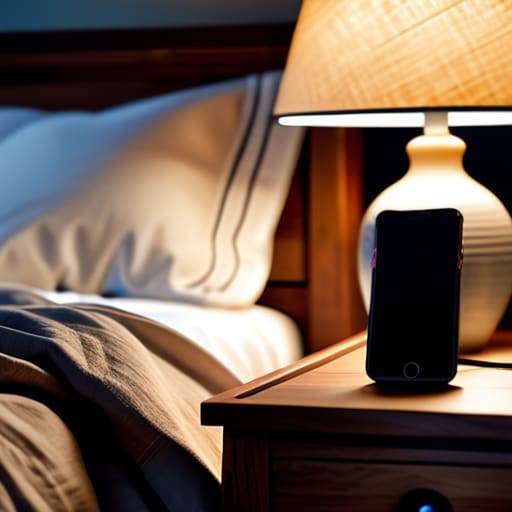
Look, I get it. Your brain feels like it has forty-seven tabs open at 10:00 PM, and most of them are playing loud, stressful music. That’s just cortisol doing its thing, keeping you wired when you should be winding down. Instead of trying to force your brain to shut off through sheer willpower—which never works—try implementing a few low-friction systems to signal to your body that the workday is officially dead. One of the most effective ways I’ve found is a hard digital detox before bed. I don’t mean a total ascetic lifestyle; I just mean docking my phone across the room thirty minutes before I want to be unconscious. It stops the doomscrolling loop and gives your nervous system a chance to actually settle.
If you want to get more intentional about improving sleep quality, focus on sensory cues rather than complex rituals. Think of it like prepping a server for a reboot; you need to clear the cache first. This might look like dimming the lights to a warm amber hue or doing some very basic, low-effort pre-sleep relaxation techniques, like a quick stretch or even just organizing your desk for tomorrow. The goal isn’t to achieve some Zen-like state of enlightenment; it’s about reducing the cognitive load so your body can transition from “active mode” to “sleep mode” without a fight.
My Low-Maintenance Framework for a Functional Wind-Down
- Set a “digital sunset” by putting your phone on a charging station in another room at least 30 minutes before bed. If you need an alarm, buy a cheap analog clock; don’t let your last interaction of the day be a doomscroll through a newsfeed that’s designed to keep you wired.
- Prep your “Launchpad” for the next morning. I’m talking about the small, friction-heavy tasks: setting out your clothes, filling your water bottle, or clearing your desk. If you eliminate these micro-decisions at night, your morning brain won’t feel so overwhelmed.
- Use a “Brain Dump” list to offload mental clutter. If you’re lying there thinking about that email you forgot to send or the project deadline looming, grab a physical notebook and write it down. Once it’s on paper, your brain can stop using precious RAM trying to remember it.
- Implement a low-effort sensory shift. You don’t need a ten-step aromatherapy ritual; just dim the overhead lights and switch to a lamp. Lowering the light levels signals to your biology that the “workday” phase is officially over.
- Create a “Shutdown Command” for your brain. Pick one repetitive, non-screen activity—like reading a physical book, tinkering with a hobby, or even just stretching—that tells your nervous system, “We are done for the day.” Consistency is more important than intensity here.
Stop Aiming for Perfection and Just Start Building
Look, we’ve covered a lot of ground, from stripping away the toxic “aesthetic” sleep hygiene trends to setting up actual, functional systems that lower your cortisol without requiring a PhD in wellness. The takeaway isn’t that you need to buy a $100 silk eye mask or follow a twenty-step ritual; it’s about optimizing your environment so your brain knows when it’s time to clock out. Whether that means prepping your tech for tomorrow or just dimming the lights to signal a shift in your internal system, the goal is consistency over complexity. You don’t need a curated lifestyle; you just need a reliable workflow for your downtime.
At the end of the day, your evening routine shouldn’t feel like another item on a daunting to-do list. If a system feels too heavy to maintain, it’s a bad system—toss it and try something simpler. I spent years trying to force my life into these perfect, rigid boxes before I realized that functionality beats aesthetics every single time. So, pick one small thing tonight. Just one. Build it, test it, and tweak it until it works for you, not against you. You deserve a life that actually functions, even when the lights go out.
Frequently Asked Questions
How do I actually stick to a routine when my freelance/work schedule is constantly shifting?
The secret is to stop thinking in “times” and start thinking in “triggers.” If you try to force a 9:00 PM wind-down when you’re mid-sprint on a client project, you’re just going to fail and feel guilty. Instead, build a modular routine. Use a specific song, a certain scent, or even just closing your laptop lid as the signal that the “work” phase is over. It’s about the sequence, not the clock.
What do I do if I’ve already spent three hours scrolling and feel too wired to sleep?
Look, we’ve all been there—stuck in a doomscrolling loop while your brain feels like it’s running on overclocked hardware. Don’t beat yourself up; guilt just adds more cortisol to the mix. Instead of fighting the wired feeling, pivot. Put the phone in another room, grab a glass of water, and do something low-stimulus like stretching or organizing your bag for tomorrow. You need to manually signal to your nervous system that the “input” phase is over.
Are there any low-tech ways to manage my environment if I live in a noisy or cramped apartment?
Living in a cramped apartment is basically a constant sensory battle. If you can’t fix the walls, fix how you interact with them. I’m a huge fan of heavy, blackout curtains—they act like a literal buffer for street noise and light bleed. For the noise, don’t sleep on a decent white noise machine or even a simple box fan; it creates a consistent sound floor that masks those sudden neighbor outbursts. Keep it functional, not fancy.
How much "prep work" is too much before it starts feeling like another chore on my to-do list?
If your “prep” feels like a second job, you’ve crossed the line. I’ve been there—spending forty minutes setting up the “perfect” environment only to feel exhausted before the day even ends. The rule of thumb? If the setup takes more mental energy than the actual task, scale it back. Aim for “frictionless,” not “flawless.” If you aren’t prepping to save time, you’re just performing productivity. Keep it lean; if it feels heavy, cut it.