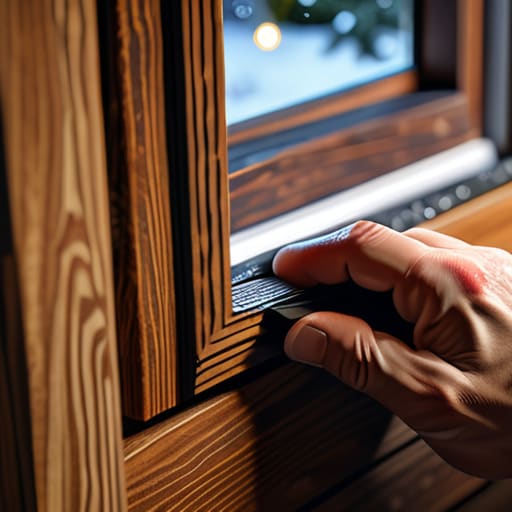
I still remember the smell of damp drywall and the absolute sinking feeling in my gut when my first studio apartment decided to flood because I’d ignored a tiny, hairline crack in the window seal for three months. It wasn’t a dramatic, cinematic disaster; it was just a slow, expensive leak that turned my living space into a humid nightmare. Most people treat seasonal home maintenance like some high-stakes, aesthetic ritual you see on Pinterest—complete with color-coordinated bins and expensive, specialized gadgets you’ll use exactly once. But honestly? That’s just performative productivity, and it’s a waste of your time and money.
I’m not here to help you curate a “perfect” home or sell you on a lifestyle of constant, exhausting upkeep. My goal is to give you a realistic, systems-based approach to seasonal home maintenance that actually works for people with real lives and limited budgets. We’re going to focus on the functional essentials—the stuff that actually prevents your systems from crashing when the temperature drops or the rain starts pouring. No gatekeeping, no fluff, just the direct, actionable steps you need to keep your space running smoothly.
Preventative Home Care Tips That Actually Save Time
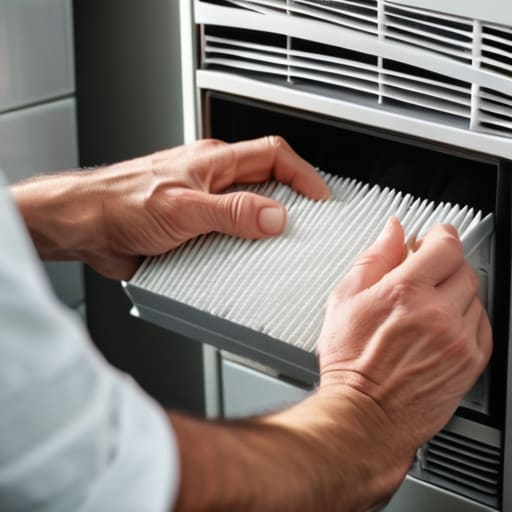
Look, I’m not about that “perfectly curated home” life, but I am obsessed with systems that don’t break when you actually need them. The best way to avoid a 2:00 AM emergency call to a plumber is to lean into a few basic preventative home care tips before things get chaotic. For me, that means setting a recurring calendar alert for my HVAC system seasonal service. It sounds tedious, I know, but swapping out filters and letting a pro check the coils is way cheaper than replacing a fried compressor because you ignored it for three years.
Another thing I’ve learned from tinkering with old gear: small issues turn into massive headaches if you let them sit. Don’t wait for a massive leak to realize your seals are shot. I like to run through a quick annual property inspection checklist every few months—checking for cracks in the foundation, testing smoke detectors, and making sure the sump pump actually kicks on. It’s not about being a perfectionist; it’s about building a baseline of reliability so your house stays a tool for your life, rather than a constant source of stress.
An Annual Property Inspection Checklist That Works
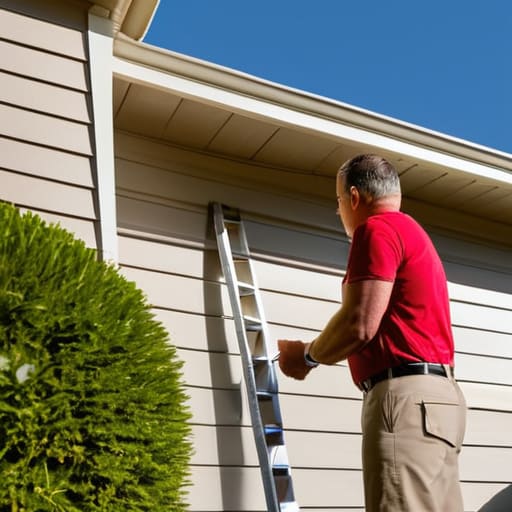
Look, I’m not saying you need to go out and hire a professional inspector every twelve months, but you do need to play detective with your own space. Instead of getting overwhelmed by a massive list, think of this as a system audit for your house. Start with the exterior; grab a ladder (or a very sturdy step stool) and do a walk-around. Check for cracks in the foundation, loose siding, or any signs that pests are trying to move in. It’s much easier to patch a small gap in your siding now than to deal with a literal colony of ants in your kitchen later.
Once you’ve tackled the outside, move to the guts of the house. This is where an annual property inspection checklist becomes your best friend. I always prioritize my mechanical systems first—specifically, checking the filters and making sure my HVAC system seasonal service is actually on the calendar. If your air handler is struggling, your energy bill is going to tank. Finally, peek under the sinks and around the water heater. You aren’t looking for perfection; you’re just looking for dampness or weird smells. If everything is dry and the air is flowing, you’ve successfully cleared the biggest hurdles of the season.
The "Set It and Forget It" Maintenance Quick-List
- Stop ignoring your HVAC filters. I know, it’s not the most exciting thing on your to-do list, but swapping them out every three months is the easiest way to keep your air clean and prevent a massive, expensive repair bill when the heat or AC decides to quit mid-summer.
- Get your eyes on the gutters before the heavy rain hits. You don’t need a professional landscaping crew; just grab a ladder and make sure the debris isn’t blocking the flow. If water starts pooling near your foundation, you’re looking at a much bigger headache than a little bit of yard work.
- Check your outdoor faucets and hoses for leaks or cracks. As the seasons shift, temperature swings can cause pipes to expand and contract, and catching a tiny drip now saves you from a literal flood in your crawlspace or basement later.
- Test your smoke and carbon monoxide detectors. It sounds like something your parents would nag you about, but it’s one of those “low effort, high reward” tasks. A quick button press to ensure they’re still chirping correctly is non-negotiable for a functional home.
- Do a quick sweep of your exterior seals. Walk around your house and look at the caulking around windows and doors. If it’s peeling or cracked, patch it up. It’s a five-minute fix that keeps your climate control efficient and your energy bills from spiking.
Keeping Your Systems Online
Look, I know that staring at a long list of seasonal chores feels like staring at a massive, unoptimized codebase that’s riddled with bugs. It’s overwhelming. But if you can remember just a few things—clearing those gutters so your foundation doesn’t take a hit, checking your HVAC filters, and doing that quick annual walkthrough—you’ve already won half the battle. The goal isn’t to become a master tradesperson overnight; it’s about preventative maintenance so you aren’t stuck dealing with a flooded basement or a broken heater at 2 AM on a Tuesday. Focus on the high-impact stuff, keep your tools handy, and don’t let the small things snowball into expensive disasters.
At the end of the day, your home is just another complex system that requires a little bit of regular tuning to keep running smoothly. You don’t need a Pinterest-perfect house to have a functional one. If you take even twenty minutes a month to check in on your space, you’re building a foundation of reliability and peace of mind that no aesthetic renovation can ever match. Stop waiting for something to break before you decide to care for it. Grab your multi-tool, pick one small task from this list, and just start building a life that actually works for you.
Frequently Asked Questions
I don't have a huge budget right now; which of these tasks are actually "emergency-level" if I skip them, and which can wait?
Look, I get it. The “to-do” list looks like a mountain and your bank account is looking a little thin. If you’re triaging, focus on the stuff that causes catastrophic failure. Water is your biggest enemy: clear those gutters and check for leaks immediately. If you ignore a leak, you’re looking at mold or structural rot, which costs way more than a patch kit. Everything else? If it isn’t actively breaking or risking a flood, it can wait.
Is there a specific way to organize my maintenance schedule so I'm not spending every single weekend working on the house?
The trick is to stop treating maintenance like a massive, looming project and start treating it like a background process. I use a “low-stakes” calendar system. Instead of a “Home Maintenance Weekend,” I schedule one 20-minute task every Tuesday night—like checking filter gauges or testing smoke alarms. If you batch the heavy stuff into one predictable window per season, you won’t feel like your entire life is just one long to-do list.
When should I stop trying to DIY these tasks and actually call in a professional before I break something expensive?
Look, I’m all for the DIY life, but there’s a fine line between “fixing it” and “expensive mistake.” If you’re staring at a circuit breaker that’s smelling like burnt toast, or a leak that’s actually inside your walls, stop. If a task requires high-voltage electricity, specialized heavy machinery, or involves structural integrity, put the multi-tool down. Call a pro. It’s way cheaper to pay a technician now than to replace a whole system later.
What kind of basic tool kit should I invest in first if I want to start tackling these seasonal chores myself?
Look, don’t go out and buy those massive, $300 “all-in-one” kits that are mostly plastic junk. You’ll end up with ten versions of a tool you’ll never use. Start with the essentials: a solid cordless drill, a multi-bit screwdriver, a hammer, a level, and a decent set of pliers. Throw in a utility knife and a tape measure. That’s your foundation. Once you actually need something specific, then you can level up.