I’ve spent way too many Tuesday nights staring into my kitchen cabinets, feeling that specific brand of defeated hunger because I realized I had everything except the one thing I actually needed to make a meal. We’ve all seen those hyper-organized, color-coded pantry tours on social media that look like a museum exhibit, but let’s be real: that’s not how actual life works. You don’t need a Pinterest-perfect setup; you just need a system that doesn’t fail you when you’re tired and running on fumes. Finding the right pantry staples to always have isn’t about aesthetics or buying fancy artisanal oils you’ll never use—it’s about functional survival so you aren’t stuck ordering expensive takeout every time you forget to go to the grocery store.
In this post, I’m stripping away the fluff and giving you my personal, “no-nonsense” list of the only eight items worth your shelf space. I’ve boiled it down to the essentials that provide the most versatility for the least amount of effort. By the time you’re done reading, you’ll know exactly how to build a reliable foundation that turns random ingredients into real food, saving you both time and sanity.
The Reliable Grain Foundation
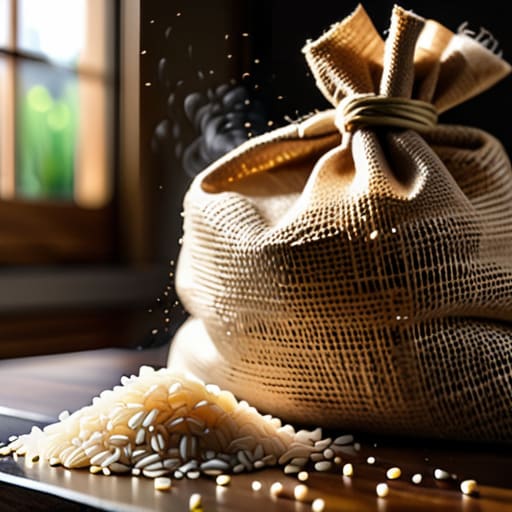
Look, I don’t care if your rice isn’t in a glass jar with a bamboo lid. What matters is that you have a big bag of long-grain white or jasmine rice sitting in the back of the cupboard. Rice is basically the operating system of the kitchen; it’s the stable base that everything else runs on, whether you’re making a quick stir-fry after a long day of troubleshooting or just need something to soak up a sauce.
Liquid Gold and Acids
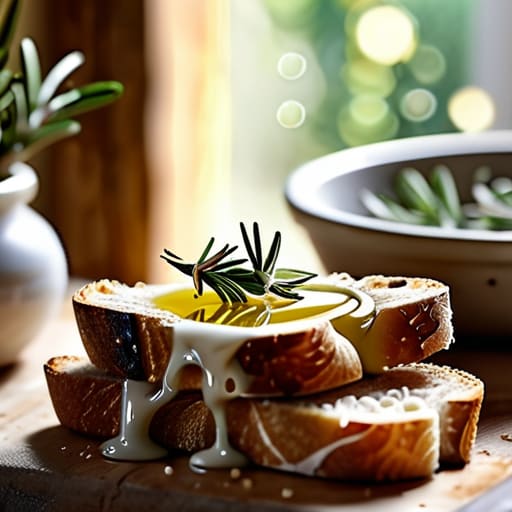
If you only buy one thing this week, make it a decent extra virgin olive oil. You need it for everything from sautéing veggies to just drizzling over toast when you’re too tired to actually cook a meal. It’s the lubricant that keeps the whole kitchen machine running smoothly, so don’t cheap out too much—you want something that actually tastes like something.
The Protein Safety Net
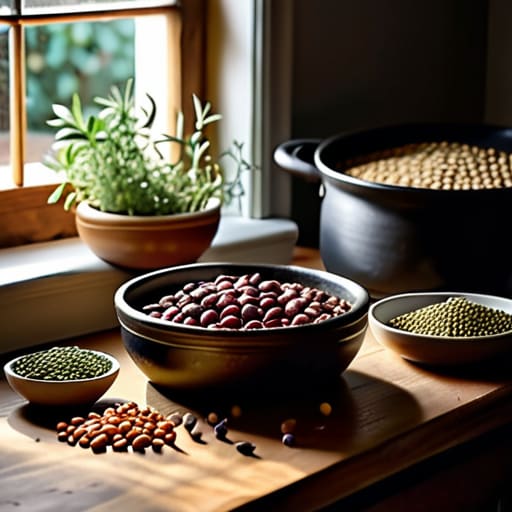
Canned beans are my absolute lifeline. I’m talking chickpeas, black beans, and cannellini beans. They have a shelf life that basically defies the laws of physics, and they require zero prep work beyond a quick rinse. You can toss them into a salad, smash them into a quick “tuna” style sandwich, or throw them into a pan with some spices for a 10-minute meal.
Flavor Boosters in a Can
Tomato paste is a tiny tube of pure magic. It’s concentrated, it’s cheap, and it’s the easiest way to add depth to a sauce or a stew without having to simmer something for six hours. Just a tablespoon stirred into some sautéed onions and garlic can transform a basic meal into something that feels actually intentional.
The All-Purpose Aromatics
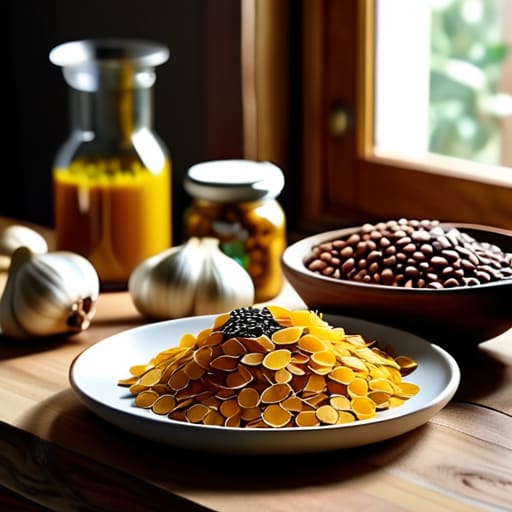
I know, I know—onions and garlic aren’t technically “pantry” items in the sense that they don’t live in a cupboard, but they need to be part of your core inventory. Most recipes start with these two for a reason; they provide the foundational flavor profile that makes everything else work. If you don’t have these, you’re basically trying to run software without an OS.
Salt, Fat, and Heat
You cannot skip the basics: salt and a decent pepper grinder. I treat salt like a system requirement—without it, nothing functions correctly. Don’t get bogged down in fancy sea salt flakes for everyday cooking; just get a decent kosher salt that’s easy to control and distribute.
The Quick Carb Backup
Oats are the unsung heroes of the pantry. I’m not just talking about breakfast; rolled oats are a versatile tool that can be used in everything from thickening soups to making homemade energy bars. They are incredibly cheap, they last forever, and they provide a steady stream of energy that keeps you from crashing mid-afternoon.
The Sweet and Savory Finishers
Honey or maple syrup might seem like “extras,” but they are essential for balancing flavors. If you’ve made a vinaigrette or a glaze and it’s tasting a bit too sharp or acidic, a tiny bit of sweetness will rebalance the system. It’s all about finding that equilibrium in your food.
Stop Overthinking Your Kitchen
Look, at the end of the day, your pantry doesn’t need to look like a staged set from a home renovation show. You don’t need twenty different types of artisanal flour or a collection of rare spices that you’ll only use once before they expire. All you really need is a solid foundation of those eight essentials we talked about—the stuff that actually works when you’re tired, hungry, and staring blankly at the fridge. By keeping things like grains, oils, and basic aromatics on hand, you’re essentially building a fail-safe system for your daily life. It’s about reducing the friction between being hungry and actually eating something decent.
My goal isn’t to turn you into a gourmet chef overnight; it’s to help you stop feeling helpless when the “what’s for dinner?” panic sets in. Once you have these basics secured, you’ll realize that cooking isn’t some high-stakes performance—it’s just another system you can master. Don’t let the fear of not being “organized enough” stop you from starting. Just grab a few bags of rice and a bottle of olive oil, and you’re already ahead of the curve. Build your setup one item at a time, and I promise, your future, exhausted self will thank you.
Frequently Asked Questions
How do I know when my staples are actually going bad if I'm not tracking every single expiration date?
Honestly, if you’re tracking every single date, you’re over-engineering your kitchen and it’s going to burn you out. Forget the fine print. Use your senses instead: if it smells off, looks dusty/moldy, or has weird clumps, toss it. For oils and spices, if the aroma is gone, the flavor is gone. If it’s not a major safety risk like meat or dairy, just trust your gut. If it looks sketchy, it’s not worth the headache.
Is it worth buying the name brands for things like flour and oil, or can I just go with the cheapest store brand?
Honestly? Save your money. For things like flour, sugar, or salt, the molecular structure isn’t going to change just because there’s a fancy logo on the bag. It’s the same stuff. The only time I actually reach for name brands is with things like olive oil or spices, where the quality gap is actually noticeable. For everything else, grab the store brand, keep your systems simple, and spend that extra cash on something better.
How much of each item should I actually keep on hand so I don't end up with a mountain of unused cans?
Look, I’m all about efficiency, not hoarding. You don’t need a literal warehouse in your kitchen. Aim for the “Rule of Three”: keep three units of your high-use items (like rice or pasta) and maybe two of the more niche stuff (like specialty oils or canned beans). If you have more than that, you’re just managing inventory instead of actually cooking. Keep it lean so your pantry stays functional, not overwhelming.
What are some quick "emergency" meals I can make if I realize I'm missing one or two of these essentials?
Look, we’ve all been there—you’re starving, you start cooking, and suddenly you realize you’re out of olive oil or garlic. Don’t panic. If you’re missing a fat, lean on butter or even a splash of broth. If you’re short on aromatics, heavy spices or a dash of soy sauce can carry the load. Think “pantry pasta” with just butter and pepper, or a quick bean salad. It won’t be gourmet, but it’ll work.