If you’ve spent more than five minutes on lifestyle TikTok, you’ve probably seen someone spend three hundred dollars on matching velvet hangers and acrylic bins just to achieve a “minimalist” look that lasts exactly forty-eight hours. Honestly, it’s exhausting. Most of these tutorials on how to organize a closet are just glorified shopping lists designed to make you feel like your life is a mess unless you buy a specific shade of beige storage box. I grew up in a tiny apartment where we didn’t have the luxury of “aesthetic” clutter; we had to make things work or we simply couldn’t find our shoes in the morning.
I’m not here to sell you a lifestyle or a collection of overpriced organizers. Instead, I’m going to show you how to build a system based on actual human behavior—the kind where you can actually see your clothes and grab what you need without a meltdown. We’re going to focus on logic, flow, and utility, stripping away the fluff to find out how to organize a closet so that it stays functional even when your life gets chaotic. Let’s build something that actually works.
Brutal Decluttering Clothing Tips That Actually Clear the Noise
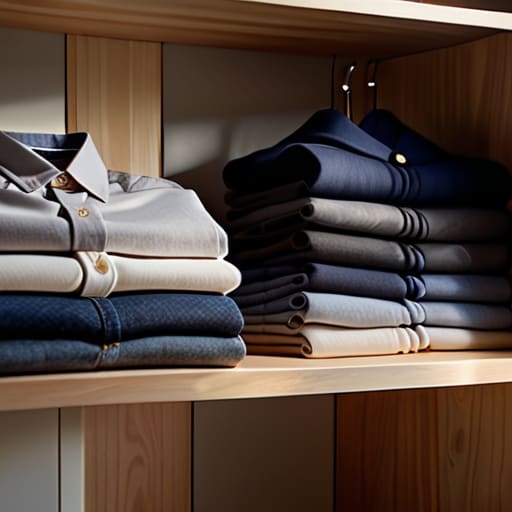
Look, we need to have a real conversation about that “maybe one day” pile at the bottom of your wardrobe. We’ve all been there—clinging to a pair of jeans from sophomore year or a sweater that’s more holes than wool. But here’s the reality: if you haven’t reached for it in six months, it’s just taking up valuable real estate. When I’m tackling my own space, I use a strict “utility first” rule. If a piece of clothing doesn’t make you feel capable or comfortable, it’s just visual noise that’s slowing you down every morning.
Stop treating your closet like a museum for your past selves and start treating it like a functional tool. One of my favorite decluttering clothing tips is to do a high-speed purge: grab a trash bag and a donation box, and move fast. Don’t overthink the sentimental value; if you’re debating it for more than five seconds, it’s a “no.” To make this even easier, I highly recommend implementing seasonal clothing rotation methods. By moving off-season gear into vacuum-sealed bags or under-bed storage, you stop fighting against a mountain of fabric and finally start seeing the actual floor of your closet.
Building a Foundation Instead of Buying More Pretty Bins

Look, I get the temptation. You scroll through TikTok, see a perfectly curated space with matching cream-colored linen bins, and suddenly you feel like your life is a mess because you don’t have a set of identical containers. But here’s the truth from someone who spends way too much time troubleshooting systems: buying bins is a band-aid, not a solution. If you don’t have a logic for where things go, you’re just paying to hide your chaos in expensive little boxes. Instead of running to a big-box store, start by auditing your actual footprint. You need to understand your dimensions before you commit to any closet storage solutions for small spaces.
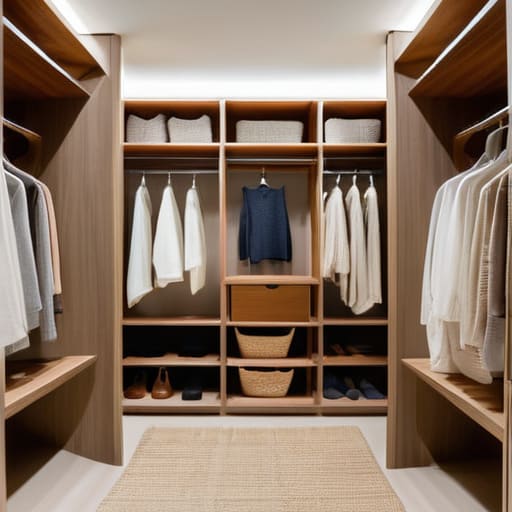
Once you know your boundaries, focus on the architecture of the space itself. Most people ignore the most valuable real estate they own: the air. I’m talking about maximizing vertical closet space by using every inch from the floor to the ceiling. Before you spend a dime on aesthetic organizers, look at your shelving. Can you add a tension rod? Can you use stackable, clear trays that you already have in your kitchen? The goal isn’t to have a showroom; it’s to create a workflow where you can actually see your gear without a scavenger hunt. Build the framework first, and the “pretty” stuff can come much, much later.
5 Practical Moves to Keep Your Closet From Turning Back Into a Junk Drawer
- Stop treating your hangers like a museum. If you haven’t worn it in a year, it’s just taking up valuable real estate. Get rid of it, donate it, or move it to a “maybe” bin in storage, but get it out of your daily sightline.
- Group your stuff by how you actually live, not how it looks on a grid. I don’t care if color-coding looks pretty in a reel; I group my stuff by category—work tops, gym gear, casual basics—so I’m not hunting for a single clean shirt at 7:00 AM.
- Use the “verticality” hack. Most people leave the top two feet and the bottom two feet of their closet completely dead. Get some sturdy, stackable bins for off-season gear or use a hanging organizer for things like belts and scarves instead of letting them tangle in a drawer.
- Invest in uniform hangers, but don’t go overboard. You don’t need expensive velvet ones for everything, but switching to all slim-line non-slip hangers will instantly stop your clothes from sliding into a heap on the floor and actually double your hanging space.
- Set up a “landing zone” for the stuff that doesn’t belong in the closet. A single hook or a small basket for things like your daily bag, a scarf, or a hat prevents that “pile of doom” from forming on the floor or the chair in the corner.
Stop Chasing Perfection and Start Living
At the end of the day, organizing your closet isn’t about achieving that hyper-curated, “beige aesthetic” you see on your feed; it’s about reducing the friction in your morning routine. We’ve covered the essentials: you have to be ruthless during the decluttering phase, and you need to prioritize a functional foundation over a collection of expensive, matching plastic bins that just end up cluttering your space further. Remember, a system only works if it actually serves your lifestyle, not if it looks good in a static photo. Focus on visibility, accessibility, and most importantly, keeping the things you actually wear.
I know it feels overwhelming when you’re staring at a mountain of fabric and half-broken hangers, but I promise you, the effort is worth the mental clarity that follows. Once you strip away the excess and set up a workflow that makes sense for your brain, you stop fighting your environment and start moving through it with ease. Don’t aim for a museum-quality display; aim for a space that works for you. You don’t need a professional organizer or a massive budget—you just need to build a system that functions. Now, grab that multi-tool, clear some space, and get to work.
Frequently Asked Questions
I’ve already decluttered, but how do I actually decide which clothes get the "prime real estate" in my closet versus the high shelves?
Think of your closet like a server rack: you don’t put your most-accessed data on a cold storage drive. Your “prime real estate”—the zone between your eye level and your hips—is for your daily drivers. These are the shirts, jeans, and basics you reach for without thinking. Everything else? The seasonal stuff, the “maybe one day” formal wear, or the bulky knits go on the high shelves. If you aren’t wearing it weekly, it doesn’t get the easy access.
Do I really need to invest in matching velvet hangers, or is there a way to make my mismatched ones look less chaotic?
Look, if you’re waiting for the “perfect” matching set to start organizing, you’re just procrastinating. Honestly? Don’t waste your money on velvet hangers just for the aesthetic. If your current ones are a chaotic mess, try grouping them by type—all the wood together, all the plastic together. It tricks the eye into seeing order without the spend. Or, if you’re feeling extra, grab one bulk pack of uniform slimline hangers. It’s a cheap win that actually functions.
My closet is tiny and lacks airflow—how do I keep my clothes from smelling musty without turning it into a science experiment?
Look, if your closet feels like a damp cave, don’t go buying a fancy, over-engineered dehumidifier that’ll just eat your electricity bill. Start simple: ditch the plastic bins for breathable cotton bags where you can. Throw some activated charcoal sachets or even just plain cedar blocks in there—they actually absorb moisture and odors without smelling like a middle school locker room. And seriously, crack that door open for an hour a day. Airflow is free.
How often should I actually be re-evaluating my system so it doesn't just fall back into a mess within a month?
Look, if you wait until your closet looks like a disaster zone to fix it, you’ve already lost. I run a monthly “system audit.” Every four weeks, I spend ten minutes checking if my categories still make sense or if things are just piling up in the wrong spots. If a certain shelf is constantly messy, that’s not a failure—it’s data. It means your system is broken, not you. Adjust the setup, don’t just re-clean it.