Let’s be real: most of the “meal prep” content you see on your feed is just a recipe for burnout. It’s all perfectly color-coordinated Tupperware and three-hour Sunday sessions that leave you feeling more exhausted than when you started. I don’t have time for that, and honestly, neither do you. Between managing freelance server migrations and trying to keep my vintage synths from gathering dust, my kitchen time is usually limited to “I need to eat something that isn’t cereal” energy. That’s why I rely on easy slow cooker recipes to act as my personal kitchen automation. It’s not about being a gourmet chef; it’s about setting a system in motion so you can actually live your life while dinner handles itself.
In this post, I’m breaking down eight of my absolute go-to recipes that prioritize function over fluff. We aren’t doing anything overly complicated or requiring a degree in culinary arts—just solid, reliable meals that hit the spot every single time. You’re going to learn how to build a low-maintenance dinner rotation that saves you time, money, and a massive amount of mental bandwidth. Let’s get into it.
The "Dump and Go" Chili
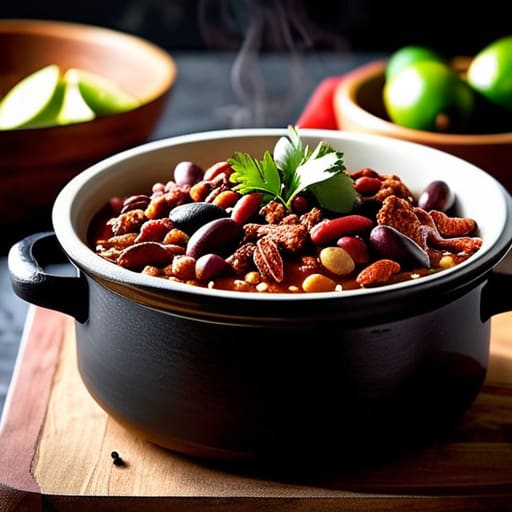
If you’re anything like me, the last thing you want to do after a long day of troubleshooting server errors is stand over a stove. This chili is my ultimate low-effort win. You literally just grab cans of beans, a jar of salsa, some ground meat (or plant-based crumbles), and a packet of seasoning, then dump them all into the pot. There is zero sautéing required, which means zero extra dishes to scrub later.
Salsa Verde Chicken Tacos
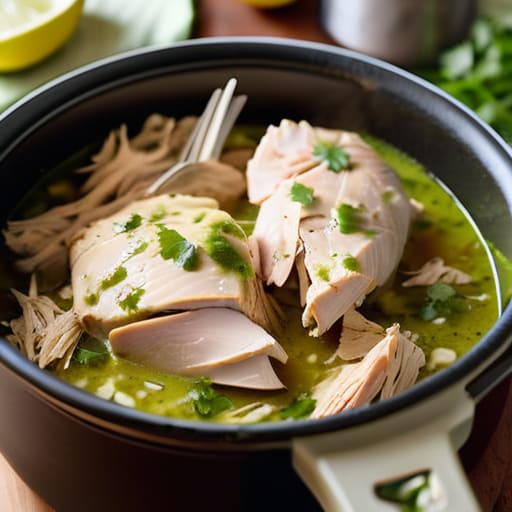
This is probably the most versatile recipe in my rotation because it’s basically a system for protein. You only need three things: chicken breasts, a jar of salsa verde, and maybe a little lime juice. Toss them in, hit the start button, and walk away. By the time you’re ready to eat, the chicken will be so tender it practically shreds itself with a fork.
Zero-Effort Beef Stew
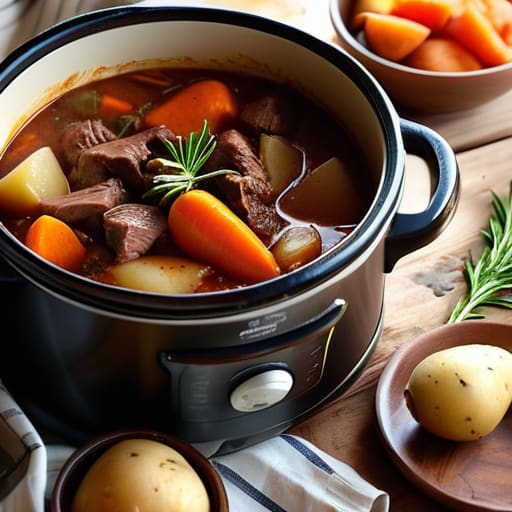
Most people think a good stew requires hours of simmering and constant checking, but that’s just bad resource management. If you get decent quality stew meat and toss it in with some chopped carrots, potatoes, and a carton of beef broth, the slow cooker handles the science of tenderizing the meat for you. I like to add a splash of Worcestershire sauce just to give it that deep, savory flavor without extra work.
Creamy Garlic Parmesan Potatoes
Sometimes you don’t want a heavy meat dish; you just want something comforting that feels like a warm hug. These potatoes are my go-to when I’m craving something decadent but simple. You just layer halved baby potatoes with garlic cloves, some chicken broth, and a bit of heavy cream. It’s almost impossible to mess up, provided you don’t forget the seasoning.
Mississippi Pot Roast (The Real Version)
I know, I know—this sounds like one of those “internet recipes,” but it actually works because it relies on high-impact ingredients. You take a chuck roast, top it with a few pepperoncini peppers, a stick of butter, and a packet of ranch seasoning. It sounds chaotic, but the chemical reaction between the acidity of the peppers and the fat in the roast creates a flavor bomb that is honestly hard to beat.
Red Lentil Dahl
For my plant-based days, this lentil dahl is my absolute staple. Lentils are the ultimate budget-friendly superfood, and they thrive in a slow cooker. You just combine red lentils, coconut milk, veggie broth, and a generous amount of turmeric and cumin. Because red lentils break down so easily, you don’t even need to worry about them getting “mushy”—that’s actually the goal for a creamy texture.
Sausage and Tortellini Soup
This is what I call a “comfort system.” It’s hearty, it’s warm, and it’s incredibly efficient to prepare. You throw in some Italian sausage, a jar of marinara, some chicken broth, and a bag of frozen tortellini. The trick is to add the pasta toward the end of the cooking time so it doesn’t turn into a giant blob, but even if you’re a bit off with your timing, it’s still going to be delicious.
Honey Garlic Chicken Thighs
If you’re tired of dry, boring chicken, you need to switch to thighs and this specific glaze. Thighs are much more forgiving in a slow cooker than breasts because they have a higher fat content, meaning they won’t dry out while they’re sitting on low heat. You just whisk together some honey, soy sauce, and garlic, then pour it over the meat.
Systems Over Stress
At the end of the day, these recipes aren’t about becoming a gourmet chef or spending your entire Sunday hovering over a stove. They’re about building a functional food system that supports your actual life. Whether you’re leaning into a hearty chili to prep for a busy work week or letting a slow-cooked stew handle dinner while you’re deep in a coding sprint, the goal is the same: minimal friction and maximum payoff. You’ve seen how these eight recipes take the guesswork out of mealtime, moving you away from the “what am I going to eat?” panic and toward a kitchen that actually works for you instead of against you.
Don’t get hung up on following every single instruction to a science. If you want to swap out a vegetable or double the spices because your palate demands it, go for it. The beauty of slow cooking is its inherent flexibility—it’s a tool, not a set of rigid rules. My biggest piece of advice? Stop chasing that curated, Pinterest-perfect kitchen aesthetic and just focus on making things easier. Once you stop treating cooking like a chore and start treating it like a well-optimized system, you’ll find you actually have more energy for the things that truly matter. Now, go plug that crockpot in and reclaim your evening.
Frequently Asked Questions
Can I actually use frozen meat in these recipes, or is that a recipe for food poisoning?
Look, I get it—the “frozen meat in a slow cooker” debate is a classic internet panic trigger. Here’s the deal: if you’re tossing a rock-solid frozen block of meat directly into a slow cooker to thaw, skip it. It stays in the “danger zone” temperature for way too long, which is a recipe for bacteria heaven. But if you thaw it in the fridge first? You’re golden. Just treat it like any other ingredient.
What’s the best way to prevent my slow cooker meals from turning into a watery, flavorless mess?
Honestly, the “watery mess” is usually a result of over-hydrating your ingredients. Slow cookers are basically sealed environments; they trap all that moisture. If you follow those old-school recipes that tell you to dump in two cups of broth, you’re basically making soup, not stew. My rule? Use way less liquid than you think you need. Let the veggies and meat release their own juices—that’s where the actual flavor lives.
If I want to prep these the night before, can I leave the ingredients in the pot in the fridge?
Short answer: Yes, but with a caveat. You can absolutely throw your ingredients in the pot and let them chill in the fridge overnight—it’s basically a DIY flavor infusion. Just make sure you aren’t using anything that’ll get mushy, like delicate veggies. Also, if your recipe calls for dairy or cream, wait until the actual cooking starts to add that; otherwise, you’re looking at a texture nightmare. Keep it simple, keep it safe.
Is it worth investing in a high-end slow cooker, or will a cheap one get the job done just as well?
Honestly? Don’t drop $200 on a fancy slow cooker. At the end of the day, it’s just a heating element and a ceramic pot. If you’re looking for “smart” features that connect to your phone, save your money for better ingredients. A reliable, mid-range model is the sweet spot. As long as the lid seals tight and the temperature stays consistent, a cheap one will do the exact same job without the unnecessary tech bloat.